How to Transplant European larch?
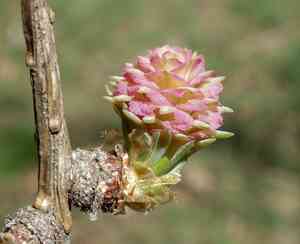
The ideal period for relocating European larch is within the prime window spanning late spring to early summer. Select a site featuring soil that drains effectively and receives sufficient sunlight. During the transplanting process, minimize disruption to the root system to ensure robust growth and successful establishment.
What Preparations are Needed Before Transplanting European Larch?
What is the Ideal Time for Transplanting European Larch?
The most favorable period for relocating european larch is during the bright days of late spring moving into early summer. This timeframe, comfortably warmed by the sun but not excessively hot, provides the perfect opportunity for transplanting. This timing is beneficial as it allows european larch sufficient time to establish a robust root system before the cold of winter arrives. Moving european larch at this optimal point in the season guarantees its impressive growth and survival. You'll be astonished by how well european larch adapts and flourishes!
How Much Space Should You Leave Between European Larch Plants?
When moving european larch, aim for a spacing of approximately 10-15 ft (3-4.5 m) between plants. This will ensure your plants have ample room to develop and spread, leading to a more vigorous garden.
What is the Best Soil Mix for European Larch Transplanting?
For european larch, select well-draining soil with a slightly acidic pH. Incorporating compost or aged manure as a foundational fertilizer will help create the perfect environment for your plant to thrive.
Where Should You Relocate Your European Larch?
Choose a spot for european larch that gets full sun to partial shade. This means they will need at least 4-6 hours of direct sunlight daily to achieve their best growth.
What Equipments Should You Prepare Before Transplantation European Larch?
Gardening Gloves
To safeguard your hands while handling soil and the plant.
Shovel or Spade
For digging the planting hole and extracting the european larch from its original spot.
Pruners
To trim any damaged or lifeless branches prior to transplanting.
Measuring Tape
To ascertain the correct planting depth for the european larch plant.
Watering Can or Hose
To hydrate the european larch before and after its relocation.
How Do You Remove European Larch from the Soil?
How Do You Remove European Larch from the Soil?
From Ground: First, moisten the european larch plant to dampen the soil. Next, excavate a wide trench around the plant using a shovel or spade, ensuring the plant's root ball remains intact. Carefully work the spade beneath the root ball to lift the plant from its initial location.From Pot: Gently water the european larch plant before taking it out of the pot. Slowly tilt the pot onto its side, while supporting the plant by its base. Carefully slide the plant and root ball from the pot, minimizing root damage.From Seedling Tray: Water the european larch seedlings to moisten the soil. Using a small spoon or your fingers, gently lift each seedling by its base, making sure to keep the root ball intact.
Step-by-Step Guide for Transplanting European Larch
Digging the Hole
Excavate a hole in the chosen spot, twice the width of the root ball and at the appropriate depth for the european larch plant, using a shovel or spade.
Soothing the Roots
Place the european larch plant in a bucket of water for 10-15 minutes to prevent the roots from drying out.
Preparing the Hole
Add a layer of well-decomposed compost or aged manure to the bottom of the hole to supply essential nutrients for the european larch's development.
Planting the european larch
Position the european larch in the center of the hole, ensuring the root ball and surrounding soil are level with the ground. Gently spread the roots, taking care not to harm them.
Refilling the Hole
Slowly backfill the hole with soil, gently firming it around the base of the european larch to eliminate air pockets and hold the plant securely in place.
Watering
Thoroughly water the european larch using a watering can or hose, ensuring the soil around the root ball is moistened.
How Do You Care For European Larch After Transplanting?
Watering
Keep the soil around the european larch consistently moist, but not waterlogged, for the initial few weeks after transplanting to aid in establishing strong roots.
Mulching
Apply a layer of mulch around the base of the european larch to help retain moisture, suppress weeds, and regulate soil temperature.
Pruning
Monitor the european larch for any damaged or dead branches and prune as necessary using clean, sharp pruners. This will encourage healthy growth and maintain the plant's form.
Pest & Disease Control
Regularly inspect the european larch for indications of pests or diseases and treat accordingly with suitable organic or chemical controls.
Troubleshooting Common Issues with European Larch Transplantation.
What's the ideal timeframe for transplanting european larch?
The perfect period for relocating european larch is late spring to early summer. This allows the plant time to establish itself before winter arrives.
How far apart should I plant my european larch saplings?
Sufficient spacing is vital for robust growth. Each european larch sapling should be planted approximately 10-15 ft (3-4.5 metres) apart.
What's the ideal soil type for transplanting european larch?
European larch prefers well-drained, acidic soil. It's not overly particular, but avoid excessive clay content or severely compacted soil.
How deep should the hole for the european larch sapling be?
Dig a hole twice as wide, and just as deep as the european larch's root ball. This provides ample space for the roots to spread.
What preparation is needed before planting european larch?
Ensure the planting site receives adequate sunlight and the soil drains well. Consider enriching the soil with organic matter (like compost) for improved growth.
What are the watering needs for european larch after transplanting?
Water european larch immediately after transplanting, then regularly thereafter. The soil needs to be consistently moist, but not waterlogged. Avoid over-watering to prevent root rot.
Will european larch saplings require staking after being transplanted?
Unless planted in a very windy area, european larch saplings typically don't need staking. Allow the sapling to develop its own strong root system and structure.
How will I know if my transplanted european larch is healthy?
Healthy european larch will exhibit vibrant green needles. Weak, discolored needles or slow growth may signal a problem, such as nutrient deficiency or pest infestation.
Does european larch need to be pruned after being transplanted?
Pruning is not usually necessary after transplanting european larch. However, removing any dead or damaged branches will help the plant direct energy towards new growth.
How should I deal with pests or diseases on my transplanted european larch?
Neem oil or horticultural soap can help deter pests, and consistent observation will allow you to detect any potential diseases early. Always follow product instructions for optimal results.



