How to Transplant Hawai'i woodnettle?
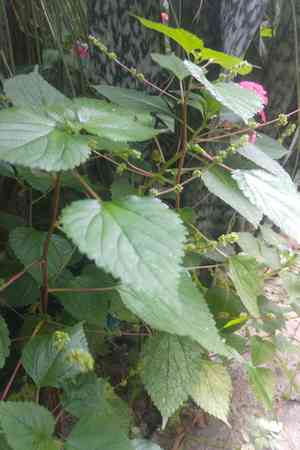
Relocate hawai'i woodnettle during the shift from spring's mildness to summer's intensity for peak development. Select a location featuring fertile, damp earth and filtered sun exposure. Gentle handling guarantees the fragile root system successfully acclimates to its new environment.
What Preparations are Needed Before Transplanting Hawai'i Woodnettle?
What is the Ideal Time for Transplanting Hawai'i Woodnettle?
Moving hawai'i woodnettle during the transition from late spring to early summer ensures peak growth. This period offers stable temperatures and sufficient daylight for strong root development. The moderate conditions minimize stress from extreme heat or cold, allowing hawai'i woodnettle to flourish after relocation. This timing lets hawai'i woodnettle benefit from the prime growing season, ensuring a smooth adjustment and a vibrant, healthy presence in your garden. Natural moisture during this time aids hawai'i woodnettle's establishment in its new spot.
How Much Space Should You Leave Between Hawai'i Woodnettle Plants?
Ready to give your hawai'i woodnettle ample room? Aim for a spacing of approximately 18-24 inches (45-60 cm) between them. This provides each plant sufficient area to thrive without crowding its neighbors. Happy planting!
What is the Best Soil Mix for Hawai'i Woodnettle Transplanting?
Before placing your hawai'i woodnettle in its new location, prepare a well-draining, nutrient-rich soil base, enhanced with a balanced, slow-release fertilizer. This initial feeding sets them up for a robust beginning!
Where Should You Relocate Your Hawai'i Woodnettle?
Your hawai'i woodnettle will flourish in a location receiving partial shade to full sun. Consider an area that enjoys gentle morning sunlight and is shielded from intense afternoon rays for optimal development.
What Equipments Should You Prepare Before Transplantation Hawai'i Woodnettle?
Gardening Gloves
To safeguard your hands while handling soil and plants.
Hand Trowel
For excavating small holes and transferring the plant.
Watering Can or Hose
To hydrate the plant before and after its relocation.
Measuring Tape
To determine the correct distance between plants.
Garden Fork
For loosening the soil around the plant to facilitate removal without root damage.
Spade or Shovel
For digging up the plant if it's being moved from the ground.
Wheelbarrow
To easily transport the plant and soil.
Pruning Shears
For trimming any damaged roots or foliage.
Soil Amendment Materials
Such as compost or peat moss to enrich the planting site.
How Do You Remove Hawai'i Woodnettle from the Soil?
How Do You Remove Hawai'i Woodnettle from the Soil?
From Ground: First, moisten the hawai'i woodnettle plant by watering the soil. Then, using a garden fork, gently loosen the soil surrounding the plant. Dig a wide circle with a spade, ensuring you are far enough from the base to avoid damaging the root system. Carefully work the spade beneath the root ball, keeping it as intact as possible, and lift the plant from its spot.From Pot: Water the hawai'i woodnettle plant. Gently squeeze or tap the pot's sides to loosen the root ball and soil. Tilt the pot sideways and support the plant by its base as you carefully slide it out, preserving the soil and root structure.From Seedling Tray: Water the seedlings to ensure the soil is damp. Use a hand trowel or a dibber to gently lift each plant by pushing up from the bottom. Support the seedling by the root ball, being careful not to squeeze or harm the stems or roots.
Step-by-Step Guide for Transplanting Hawai'i Woodnettle
Preparation
To successfully move hawai'i woodnettle, begin by thoroughly watering the plant. This will help minimize shock and keep the root ball intact during the transfer.
Digging the Hole
Excavate a hole that is twice as wide and as deep as the root ball of your hawai'i woodnettle. Loosen the soil along the sides of the hole to encourage easier root growth.
Root Pruning
If relocating from a pot or tray, inspect the roots. If they are circling the pot, gently untangle them, and trim any broken or damaged ones with pruning shears.
Placing the Plant
Position the hawai'i woodnettle in the center of the prepared hole. The top of the root ball should be level with the surrounding soil surface to promote proper root expansion.
Filling the Hole
Backfill the hole with soil, gently firming it around the plant with your hands. Avoid compacting the soil too tightly, which could impede root growth.
Watering
Water the hawai'i woodnettle immediately after transplanting. This will help settle the soil around the roots and eliminate air pockets.
Mulching
Apply a layer of mulch around the base of the plant, keeping it clear of the stems. This aids in moisture retention and weed suppression.
How Do You Care For Hawai'i Woodnettle After Transplanting?
Consistent Watering
Maintain steady moisture levels for your hawai'i woodnettle, ensuring it receives enough water to prevent stress but not so much that it leads to root rot.
Monitoring
Observe for signs of transplant shock, such as wilting, yellowing, or leaf drop, and take corrective measures if necessary.
Weeding
Keep the area around the hawai'i woodnettle free of weeds, which compete for nutrients and water.
Supporting Growth
If hawai'i woodnettle requires assistance to grow upright, use stakes or ties to help stabilize the plant until its roots are well-established.
Troubleshooting Common Issues with Hawai'i Woodnettle Transplantation.
What's the best time to transplant hawai'i woodnettle?
Relocate hawai'i woodnettle during the pleasant days of late spring to early summer for optimal development.
Why are my hawai'i woodnettle seedlings wilting after transplanting?
Wilting can result from shock; ensure careful handling during transplanting and provide adequate hydration.
How far apart should I space hawai'i woodnettle plants?
Space hawai'i woodnettle plants approximately 18-24 inches (45-60 cm) apart to allow sufficient room for growth.
Can I transplant hawai'i woodnettle in full sun?
Yes, hawai'i woodnettle thrives in full sun, but ensure the soil remains moist after transplanting.
Should I amend the soil when transplanting hawai'i woodnettle?
Enriching the soil with organic matter helps hawai'i woodnettle establish more quickly in its new location.
How much water does hawai'i woodnettle need after transplanting?
Water hawai'i woodnettle generously immediately after transplanting and maintain consistent moisture for the initial few weeks.
What should I do if the leaves of hawai'i woodnettle turn yellow?
Yellow leaves may indicate over-watering or poor drainage; adjust your watering routine accordingly.
How deep should I plant hawai'i woodnettle seedlings?
Plant hawai'i woodnettle seedlings at the same depth they were growing in their previous container to prevent stem rot.
How do I protect newly transplanted hawai'i woodnettle from pests?
Keep a close watch on hawai'i woodnettle for signs of pests and treat with suitable organic remedies as needed.
What's the sign hawai'i woodnettle is successfully transplanted?
Vigorous growth and new foliage indicate that hawai'i woodnettle is adapting well to its new environment.



