How to Transplant Canadian wood nettle?
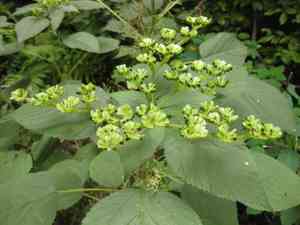
The most favorable period for relocating canadian wood nettle is mid-spring, which allows for robust growth and root development prior to the summer season. Choose a location offering shade and fertile, damp earth. Carefully managing the root system facilitates successful integration into its new environment.
Preparations Required Before Relocating Canadian Wood Nettle
Optimal Timing for Transplanting Canadian Wood Nettle
For canadian wood nettle, the best period for relocation is during the revitalization of mid to late spring. At this time, the soil has reached an ideal warmth, and the environment is supportive, providing excellent conditions for root development before the intense heat of summer. Moving the plant during this window allows canadian wood nettle to benefit from longer days and moderate temperatures, giving it ample time to establish a robust root system. This timely action ensures canadian wood nettle will flourish, with the mild spring weather aiding a smooth transition and minimizing transplant shock. Engage in this seasonal practice to help canadian wood nettle thrive and seamlessly adapt to its new garden spot.
Recommended Spacing Between Canadian Wood Nettle Plants
When preparing to transplant canadian wood nettle, consider adequate spacing. These plants appreciate some room, so aim for a distance of approximately 1-2 feet (30-60 cm) between them. This spacing allows them to grow well without excessive competition for nutrients or sunlight.
Ideal Soil Mixture for Canadian Wood Nettle Transplanting
For canadian wood nettle, a nutrient-rich soil is crucial. Select a well-draining soil, enriched with organic matter. Before transplanting, incorporate a slow-release, all-purpose fertilizer. This aids in developing strong roots and promotes vigorous growth.
Choosing a New Location for Your Canadian Wood Nettle
Finally, let's discuss the planting site. Canadian wood nettle prefers partial to full shade, so select an area in your yard that isn't constantly exposed to harsh sunlight. A spot beneath trees or on the shaded side of structures is perfect.
Equipment Needed Before Transplanting Canadian Wood Nettle
Gardening Gloves
To protect your hands while handling soil and the plant.
Gardening Spade/Shovel
Essential for digging holes for transplanting canadian wood nettle.
Watering Can
For hydrating canadian wood nettle before and after its relocation.
Garden Trowel
To gently remove canadian wood nettle from its original container, if applicable.
Garden Fork
To loosen the soil at the new planting site.
Pruning Shears
To trim any unhealthy parts of canadian wood nettle before and after transplanting.
How to Extract Canadian Wood Nettle from the Soil
How to Extract Canadian Wood Nettle from the Soil
From Ground: Start by watering canadian wood nettle to moisten the soil. Dig a wide, encircling trench around the plant using a gardening spade or shovel, ensuring the plant's root ball remains intact. Carefully work the spade beneath the root ball to lift the plant from its original spot.From Pot: Water canadian wood nettle to prepare for transplant, then tilt the pot sideways and gently ease the plant out, trying to keep the existing soil around the roots. If the roots are stubborn, use a garden trowel to loosen the soil inside the pot along the edges, then try again.From Seedling Tray: First, water the tray. Use a trowel, or even a spoon, to carefully lift the canadian wood nettle seedling by scooping under the root ball. Be careful not to harm the delicate new roots.
Step-by-Step Guide for Transplanting Canadian Wood Nettle
Soil Preparation
The soil at the new site should be loosened with a garden fork, allowing the roots of canadian wood nettle to spread and establish themselves.
Positioning canadian wood nettle
Once the hole is ready, carefully place canadian wood nettle into it. The uppermost root or 'root flare' of canadian wood nettle should be at or slightly above ground level.
Backfilling
Fill in around canadian wood nettle using the soil removed from the hole. Gently firm the soil around the plant's base.
Watering
After transplanting, thoroughly drench the soil with water, using a watering can.
Pruning
Use pruning shears to remove any withered or damaged leaves; this helps canadian wood nettle focus its energy on developing new roots.
Post-Transplant Care for Canadian Wood Nettle
Moisture Management
Ensure the soil around canadian wood nettle remains consistently moist but not waterlogged, especially during the initial weeks after transplanting to support strong root establishment.
Pruning
Continue regular pruning to remove any damaged, diseased, or pest-infested parts of canadian wood nettle. This can prevent potential issues from spreading throughout the plant.
Monitoring
Watch for signs of transplant shock, such as yellowing leaves or leaf drop. If these signs appear, ensure canadian wood nettle receives adequate water and protection from harsh environmental conditions.
Pest Awareness
Always be vigilant for pests or diseases that might affect canadian wood nettle. Early detection and intervention are key to maintaining your plant's health.
Troubleshooting Common Issues with Canadian Wood Nettle Transplantation.
When is the best time of year to transplant canadian wood nettle?
The optimal period for transplanting canadian wood nettle is between the second and third seasons of the year, typically late spring to early summer.
How much space should I allocate for each canadian wood nettle during transplantation?
Ensure a spacing of approximately 1-2 feet (30-60 cm) when transplanting canadian wood nettle to provide ample room for growth.
What soil conditions are best for transplanting canadian wood nettle?
The soil should be moist and rich in organic matter to supply canadian wood nettle with essential nutrients for optimal growth.
How deep should I plant canadian wood nettle during transplantation?
The root of canadian wood nettle should be planted at the same depth as it was in its original container, generally about 5-6 inches (12.7-15.24 cm) deep.
What should I do if canadian wood nettle is wilting after transplanting?
Wilting often indicates stress, possibly from transplant shock. Maintain consistent watering and shield it from excessive sunlight to aid canadian wood nettle's recovery.
How often should I water canadian wood nettle after transplantation?
Initially, water canadian wood nettle thoroughly every day. Once established, follow regular watering schedules, keeping the soil consistently moist.
What if discoloration or brown spots appear on canadian wood nettle after transplanting?
Discoloration may suggest overwatering or a potential disease. Adjust watering practices and check for signs of fungal or bacterial infections.
What should I do if canadian wood nettle isn't growing as expected after transplantation?
Patience is important, as canadian wood nettle may need time to settle in its new location. Ensure it receives ideal light, water, and nutrients.
How do I manage root-bound canadian wood nettle during transplantation?
Gently untangle the roots of canadian wood nettle before transplanting. If necessary, make vertical cuts to prevent roots from circling and encourage outward growth.
Why are the leaves of canadian wood nettle dropping off after transplanting?
Leaf drop can signal transplant shock or insufficient watering. Maintain consistent moisture and consider using a root stimulator to support the plant's recovery.



