How to Transplant Henbit deadnettle?
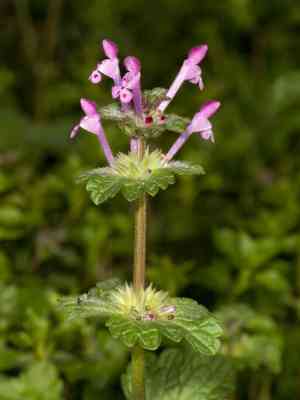
The most favorable period for transplanting henbit deadnettle is mid-spring, as consistent weather conditions aid in root development. Choose a location that offers dappled sunlight and damp earth. Careful management of fragile roots is crucial for effective re-establishment.
What Preparations are Needed Before Transplanting Henbit Deadnettle?
What is the Ideal Time for Transplanting Henbit Deadnettle?
The perfect time to move henbit deadnettle is during mid to late spring. This period, characterized by mild temperatures and active growth, ensures the plant establishes well after relocation. Following this schedule leads to optimal adaptation for henbit deadnettle, allowing it to fully flourish throughout the growing season. Remember, careful handling and attentive care during this time can promote strong development and bring vibrancy to your garden.
How Much Space Should You Leave Between Henbit Deadnettle Plants?
For henbit deadnettle, adequate spacing between individual plants is crucial. Allocate approximately 1-2 feet (30-60 cm) between each specimen when preparing your garden. This provides sufficient room for the plants to develop and spread.
What is the Best Soil Mix for Henbit Deadnettle Transplanting?
Henbit deadnettle thrives in soil that drains well and contains a good amount of organic material. Begin with a general garden soil mix and enrich it with compost or a balanced organic fertilizer. This prepares the soil with essential nutrients.
Where Should You Relocate Your Henbit Deadnettle?
When selecting a new spot for transplanting, keep in mind that henbit deadnettle prefers ample sunlight. An area receiving at least 6-8 hours of direct sun daily would be perfect. However, it can also tolerate partial shade, so don't be overly concerned about finding the absolute ideal location.
What Equipments Should You Prepare Before Transplantation Henbit Deadnettle?
Gardening Gloves
These protect your hands while handling soil and the henbit deadnettle plant. They also help keep your hands clean.
Hand Trowel
This tool is ideal for digging small holes for your henbit deadnettle transplant, and for removing it from a seedling tray or container.
Garden Shovel
You'll need this when extracting the henbit deadnettle plant from the ground; it helps ensure the entire root ball remains intact.
Watering Can
You'll use this to hydrate the plant both before and after its relocation. Keeping the roots moist significantly increases the chances of a successful transplant.
Mulch
It will serve as an insulating layer for your henbit deadnettle plant, keeping its roots cool during warm weather and warm during cold periods.
How Do You Remove Henbit Deadnettle from the Soil?
How Do You Remove Henbit Deadnettle from the Soil?
From Ground: First, thoroughly water the henbit deadnettle plant to soften the soil, making removal easier. Next, use a garden shovel to dig a trench around the plant, ensuring a wide enough radius to keep the root ball intact. Then, carefully work the shovel beneath the root ball and gently lift the plant from its original spot. From Pot: Begin by watering the pot thoroughly to moisten the soil, which facilitates removing the henbit deadnettle plant. Gently invert the pot and tap its bottom to help release the plant, supporting it by its stem. Be sure to do this carefully to prevent any damage to the plant. From Seedling Tray: Water the tray well, then carefully loosen the soil around each seedling. Gently hold the henbit deadnettle plant by its leaves â not the stem â and lift it out of the soil, ensuring you retrieve as much of the root ball as possible. Seedling roots are typically smaller and easier to manage than those of mature plants.
Step-by-Step Guide for Transplanting Henbit Deadnettle
Planting Distance
Maintain a minimum distance of 4 to 6 inches between henbit deadnettle transplants. This will provide ample space for their growth and spread.
Digging the Hole
Use your hand trowel to excavate a hole in your chosen location. The hole should be roughly twice the width and the same depth as the root ball of your henbit deadnettle plant.
Planting
Position the henbit deadnettle plant in the hole, ensuring it sits at the identical depth it occupied in its previous spot. Backfill the hole with soil, gently patting it around the plant's base.
Watering
Immediately after transplanting, water the henbit deadnettle plant using your watering can, providing sufficient hydration for it to settle into its new environment.
Applying Mulch
Spread a layer of mulch around the plant's base; this will help retain moisture and inhibit weed growth.
How Do You Care For Henbit Deadnettle After Transplanting?
Watering
Following the initial watering after transplantation, continue to water the henbit deadnettle daily for its first week in the new location. After this period, water when the top inch of soil feels dry to the touch.
Protection
Placing henbit deadnettle in a more expansive or prominent area will help deter pests and mold, which can harm or kill them.
Pest Control
Regularly inspect the plant for indications of pests or disease and treat as necessary. Consider employing organic, eco-friendly pest management techniques.
Mulching
Reapply mulch around the plant's base as needed throughout the growing season, especially during hot and dry periods.
Pruning
Older leaves may yellow and eventually brown in the weeks following transplanting. Remove these leaves as you notice them to keep your henbit deadnettle looking its best.
Troubleshooting Common Issues with Henbit Deadnettle Transplantation.
What is the perfect timing for transplanting henbit deadnettle?
Henbit deadnettle is best transplanted in late spring to early summer (S2-S3). This period is ideal for root development and overall growth.
What spacing should be maintained while transplanting henbit deadnettle?
A spacing of approximately 1-2 feet (30-60 cm) between each henbit deadnettle is optimal. This allows for proper root development and nutrient uptake.
How deeply should henbit deadnettle be planted during transplantation?
Henbit deadnettle should be planted so its root-ball is level with or slightly below the soil surface. Avoid planting too deep to prevent rot.
What kind of soil is ideal for transplanting henbit deadnettle?
Henbit deadnettle thrives best in well-drained soil enriched with organic matter. A pH range of 6.0-7.5 is ideal for henbit deadnettle.
How to ensure survival of henbit deadnettle post-transplant?
Maintaining moisture is crucial. After transplant, water henbit deadnettle thoroughly and consider adding a layer of organic mulch to retain moisture and regulate temperature.
What sunlight conditions are optimal for a newly transplanted henbit deadnettle?
While henbit deadnettle is a shade-loving plant, it can tolerate various sunlight conditions. Post-transplant, ensure it receives partial to full shade.
What is the best watering practice for henbit deadnettle after transplanting?
Water the transplants thoroughly immediately after planting and keep the soil consistently moist, but not waterlogged. Ensure good drainage to prevent saturation.
Should I fertilize henbit deadnettle right after transplantation?
Once henbit deadnettle is transplanted, wait a couple of weeks before applying a balanced slow-release fertilizer. This will encourage healthier root and leaf growth.
What should I do if the transplanted henbit deadnettle starts wilting?
If henbit deadnettle begins to wilt after transplant, first check the soil moisture levels. It may require more or less water, depending on soil conditions.
How do I handle henbit deadnettle root-bound situation?
If henbit deadnettle is root-bound, gently untangle the roots before transplanting. Use a sterile knife to cut through very tough, compacted roots.



