How to Transplant Hyacinth bean?
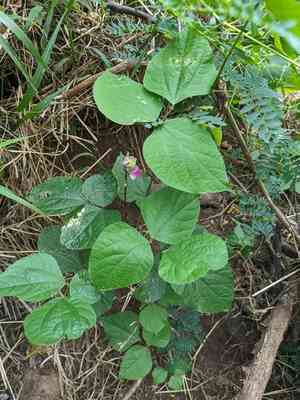
For optimal results, relocate hyacinth bean once temperatures rise, generally from the beginning to the end of spring. Select a bright spot with rich, adequately draining earth to foster development. Handle the root system with care during the transfer process to guarantee a smooth establishment.
What Preparations are Needed Before Transplanting Hyacinth Bean?
What is the Ideal Time for Transplanting Hyacinth Bean?
The optimal period for moving your hyacinth bean is from the initial bloom season to the height of spring. This timeframe is perfect as the warming ground and increasing daylight will encourage rapid development. Transplanting hyacinth bean at this point allows them to establish their root systems before the summer heat, maximizing their growth potential. Remember, thorough preparation leads to a robust, flourishing hyacinth bean! So, prepare for guaranteed abundance with your hyacinth bean when transplanting at this suitable time!
How Much Space Should You Leave Between Hyacinth Bean Plants?
For transplanting hyacinth bean, it's best to position them approximately 12-18 inches (30-45 cm) apart. This provides ample room for growth and ensures proper air circulation, reducing the likelihood of disease.
What is the Best Soil Mix for Hyacinth Bean Transplanting?
To prepare the soil for hyacinth bean, incorporate well-draining soil with organic material, such as compost or aged manure. Before planting, add a balanced, slow-release fertilizer to give your plants a strong start.
Where Should You Relocate Your Hyacinth Bean?
Select a spot for your hyacinth bean that receives full sun, meaning at least 6 hours of direct sunlight daily. These plants thrive in sunlight, so the more light they receive, the better they will grow!
What Equipments Should You Prepare Before Transplantation Hyacinth Bean?
Trowel
A useful tool for digging holes in the ground where you intend to transplant your hyacinth bean.
Gardening Gloves
To safeguard your hands while handling the plant and working with the soil.
Watering Can
Essential for hydrating the hyacinth bean plant during and after the transplant process.
Gardening Shovel
Required for excavating the mature plant's root system without causing significant damage.
Wheelbarrow or Large Container
Helpful for transporting the plant from its original location to its new spot.
How Do You Remove Hyacinth Bean from the Soil?
How Do You Remove Hyacinth Bean from the Soil?
From Ground: First, thoroughly water the hyacinth bean plant; this will facilitate easier removal of the root ball. Loosen the soil around the plant's base with the gardening shovel, ensuring the root ball remains intact. Then carefully slide the shovel beneath the root ball and lift it along with the plant. While keeping the root ball undisturbed, place the plant in a wheelbarrow or other large container for transport to its new location.From Pot: Begin by watering the hyacinth bean plant to hydrate the root ball. Invert the pot and gently tap its bottom and sides to release the plant, holding it by its base. Be patient and careful to keep the plant's root ball intact.From Seedling Tray: To separate the seedling from its tray, gently squeeze the bottom of each cell or use a small tool like a chopstick or pencil to carefully push out the plant. Be gentle to minimize harm to the roots.
Step-by-Step Guide for Transplanting Hyacinth Bean
Digging The Hole
Using the trowel, excavate a hole in the prepared site that is deep enough to completely cover the root ball of the hyacinth bean plant. The hole should be 2-3 times wider than the root ball's width.
Placement
Carefully position the hyacinth bean plant in the hole. The top of the root ball should be level with or slightly below the soil surface.
Backfilling
Carefully refill the hole around the hyacinth bean plant with soil, ensuring no air pockets remain. Gently press the soil around the plant's base for stability.
Watering
Use your watering can to saturate the area around the hyacinth bean plant. This will help to settle the soil around the plant's roots.
How Do You Care For Hyacinth Bean After Transplanting?
Mulching
Apply mulch around the plant's base after transplanting to retain soil moisture and suppress weeds. Ensure the mulch does not touch the plant’s stem to prevent potential rotting.
Re-Watering
Re-water the hyacinth bean plant when the top inch of soil feels dry, which is typically within 1-2 days (avoid overwatering the plant).
Care Against Pests
Monitor for pests as hyacinth bean can attract certain insects. If pests are observed, consider an organic or chemical garden pest deterrent.
Pruning
Prune your hyacinth bean plant if it flowers. Removing spent blooms will encourage more flowers to develop.
Troubleshooting Common Issues with Hyacinth Bean Transplantation.
When is the best time to transplant hyacinth bean?
The optimal season for relocating hyacinth bean is from early to late spring, when the weather begins to warm.
How much space should I leave between hyacinth bean plants during transplantation?
For hyacinth bean plants to thrive, maintain a distance of approximately 12-18 inches (30-45 cm) between each plant. This aids in their full development.
What type of soil does hyacinth bean require for transplanting?
Hyacinth bean flourish in well-drained soil rich in organic matter. Avoid overly saturated or clayey soil, as these impede root growth.
What should I consider about the hole size when transplanting hyacinth bean?
Dig a hole that is twice the size of the plant's root ball. This ensures roots have ample room to spread and grow comfortably after transplant.
What should be the ideal depth to transplant my hyacinth bean plants?
The depth should be such that the top of the root ball is level with or slightly below the ground surface. This promotes root spread and plant stability.
How should I water hyacinth bean post-transplanting?
Water hyacinth bean generously immediately after transplantation to settle the soil and hydrate the plant. Continue watering regularly but avoid creating waterlogged conditions.
Should I worry if the hyacinth bean leaves are wilting post transplantation?
Some stress is normal after transplanting hyacinth bean. However, if wilting persists despite proper watering, it could indicate root damage or disease.
How much sunlight does hyacinth bean need after being transplanted?
Hyacinth bean is a sun-loving plant. After transplanting, place it in a location that receives full sun for optimal growth promotion.
When should I begin to fertilize hyacinth bean after transplantation?
Wait for about two to three weeks post-transplantation before fertilizing hyacinth bean. This allows the plant time to adjust to its new environment.
Can hyacinth bean be transplanted in a pot?
Certainly! As long as the pot provides sufficient space for planting and adequate drainage, hyacinth bean can grow perfectly well in pots.



