How to Transplant Japanese clover?
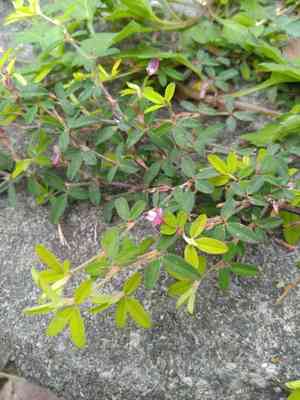
For optimal development, the perfect period to relocate japanese clover is from the mild beginning of warmer weather in late spring until mid-summer. Choose a bright spot with soil that drains effectively, and slowly introduce japanese clover to its new environment to avoid stress.
What Preparations are Needed Before Transplanting Japanese Clover?
What is the Ideal Time for Transplanting Japanese Clover?
The optimal period for relocating japanese clover is from late spring to early summer. During this timeframe, the moderate weather promotes root establishment without intense heat stress. Moving japanese clover then allows for strong root development before peak summer temperatures, ensuring improved growth and resilience. Choosing this season for transplanting offers your japanese clover the best opportunity to flourish, leveraging longer days and a temperate climate for maximum vitality.
How Much Space Should You Leave Between Japanese Clover Plants?
Allow each japanese clover ample room to expand! Aim for a separation of approximately 0.5-1 foot (15-30 cm) between them. This will provide sufficient space for them to spread and thrive, preventing overcrowding. It's all about achieving equilibrium!
What is the Best Soil Mix for Japanese Clover Transplanting?
For japanese clover, prepare a soil base that drains well and has been enriched with a general-purpose, slow-release fertilizer. This will supply essential nutrients throughout the growing season, encouraging robust growth and attractive blooms.
Where Should You Relocate Your Japanese Clover?
Japanese clover enjoys ample sunshine – so be sure to select a spot that receives plenty of light. Full sun to partial shade is perfect. But don't worry, if direct sunlight isn't an option, japanese clover is quite adaptable and can also tolerate some shade.
What Equipments Should You Prepare Before Transplantation Japanese Clover?
Gardening Gloves
To safeguard your hands while handling soil and japanese clover.
Trowel
This tool will be used to excavate a small hole for the japanese clover in your garden.
Spade or Shovel
Utilize this for extracting the plant from its initial position, without harming the root structure.
Watering Can
For hydrating the plant after transplant to assist in its settling process.
Secateurs
To trim any damaged roots or leaves from the plant.
Wheelbarrow
To transport the removed plant to the new planting site.
Gardening Fork
To gently loosen the soil at the new location prior to planting.
Mulch
To help the plant retain moisture following transplantation.
How Do You Remove Japanese Clover from the Soil?
How Do You Remove Japanese Clover from the Soil?
From Ground: The key is to prevent damage to the root ball of the japanese clover. Begin by watering the plant to moisten the soil. Next, using a spade or shovel, dig around the plant, maintaining a generous distance to ensure the root ball's integrity. Once all sides are loosened, carefully lift the plant, making sure to retrieve as much of the root structure as possible.From Pot: Before extracting japanese clover from a pot, water it thoroughly. This facilitates removal and minimizes root damage. Turn the pot on its side and gently pull the plant by its base, avoiding pulling on the stems or leaves. It should slide out along with the soil and intact root ball.From Seedling Tray: Water the seedling tray beforehand; this separates the soil and roots from the tray cell. Gently push the bottom of the cell, lifting the japanese clover seedling by its leaves, not the stem, which can be easily damaged.
Step-by-Step Guide for Transplanting Japanese Clover
Root Pruning
Start by trimming any elongated or damaged roots with secateurs. This will stimulate new growth.
Preparation
In the chosen spot, use a trowel or a gardening fork to loosen the soil, and dig a hole that is wide and deep enough for the root ball of japanese clover.
Placement
Carefully position the japanese clover in the hole, ensuring the top of the root ball is level with the soil surface.
Filling
Backfill the hole with the same soil, gently pressing it around the root ball to eliminate air pockets.
Watering
Use a watering can to irrigate the plant at its base, not from above. This will help the plant settle into its new environment.
Mulching
Apply a thin layer of mulch around the plant's base to help retain moisture and suppress weeds.
How Do You Care For Japanese Clover After Transplanting?
Monitoring
Observe the japanese clover daily. Watch for drooping or wilting, which may indicate transplant shock. This can sometimes occur when plants are moved and their roots are disturbed.
Supplemental watering
While the plant establishes roots in its new location, you'll need to water it more frequently than usual. Doing so early in the morning can help maintain consistent soil moisture.
Pruning
If the japanese clover appears stressed even after regular watering, consider trimming the plant back to reduce its water consumption. However, be careful not to over-prune.
Patience
Remember, plants require time to adapt to their new surroundings. Be patient, continue providing care, and your japanese clover will soon begin to flourish.
Troubleshooting Common Issues with Japanese Clover Transplantation.
What's the best time to transplant japanese clover?
The optimal period to move japanese clover is between the third and fifth season, offering the most favorable climate conditions for successful transplantation.
How should I space japanese clover when transplanting?
Ensure you provide a spacing range of 0.5 feet to 1 foot (15 cm to 30 cm) between each plant. This allows ample room for growth.
Is there any special soil requirement for transplanting japanese clover?
Japanese clover aren't very particular; they'll thrive in well-draining soil. If the soil is too dense, consider incorporating organic matter to enhance drainage.
Do I need to water japanese clover immediately after transplanting?
Yes, make sure to water japanese clover thoroughly after transplanting. This helps to settle the soil and reduce transplant shock.
Can I transplant japanese clover in a container?
Absolutely! Japanese clover can be successfully transplanted into containers. Bear in mind to provide enough space for them to grow, and ensure proper drainage.
Why are my transplanted japanese clover wilting?
Wilting post-transplant can be a symptom of transplant shock. Ensure adequate watering and consider temporarily shading the plant to aid recovery.
My transplanted japanese clover aren't growing well, what could be the reason?
Poor growth can stem from various factors including insufficient sunlight, overwatering, or nutrient deficiency. Make sure japanese clover receive the care they need.
Are there any temperature considerations while transplanting japanese clover?
Japanese clover can tolerate a wide range of temperatures. However, extreme cold or heat may impact their growth. Aim for mild, consistent temperatures.
Can I use fertilizer when transplanting japanese clover?
A light application of slow-release fertilizer can help japanese clover establish more quickly. Avoid over-fertilizing as it might harm your plant.
Is pruning necessary while transplanting japanese clover?
It's not typically essential, but light pruning can encourage bushier growth. Prune carefully to avoid causing unnecessary stress during transplantation.



