How to Transplant Prickly castor oil tree?
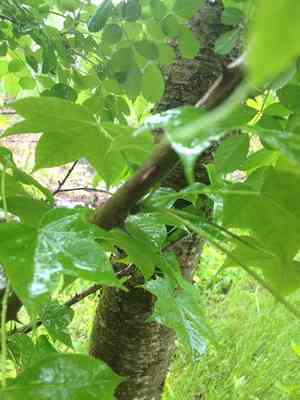
The most favorable period for transplanting prickly castor oil tree is from early to mid-summer, allowing its root system to become established prior to the colder months. Select a location providing fertile, adequately draining soil and partial sun exposure. I strongly recommend enriching the soil with organic material to facilitate a smoother adjustment for the plant.
What Preparations are Needed Before Transplanting Prickly Castor Oil Tree?
What is the Ideal Time for Transplanting Prickly Castor Oil Tree?
The optimal period for relocating prickly castor oil tree is during the early to mid-summer months. This timing ensures mild weather, aiding root establishment without extreme temperatures. Transplanting prickly castor oil tree in this gentle season offers the benefit of warmer soil, which promotes root growth, and ample time for the plant to settle before winter. A pleasant touch to your garden during these months allows prickly castor oil tree to thrive and adapt easily to its new environment.
How Much Space Should You Leave Between Prickly Castor Oil Tree Plants?
When transplanting prickly castor oil tree, provide ample room for its growth. Aim for a spacing of 3-4 feet (approximately 0.9-1.2 meters) between each plant. This will ensure healthy development and prevent overcrowding.
What is the Best Soil Mix for Prickly Castor Oil Tree Transplanting?
The ideal soil for prickly castor oil tree is well-drained and rich in organic matter. Incorporate compost or aged manure into your soil for added nutrients and improved root development. Before planting, sprinkle a general-purpose fertilizer to provide balanced nourishment.
Where Should You Relocate Your Prickly Castor Oil Tree?
For optimal growth of prickly castor oil tree, select a location that receives full sun to partial shade. Sunlight encourages robust growth and flower production. A sunny spot in your garden would be excellent for this plant.
What Equipments Should You Prepare Before Transplantation Prickly Castor Oil Tree?
Gardening Gloves
To shield your hands from the spiky foliage of prickly castor oil tree while digging and handling.
Spade or Shovel
For excavating prickly castor oil tree from its original spot and preparing the new planting hole.
Garden Trowel
Useful for precisely positioning the plant in its new location.
Gardening Shears
To trim the prickly castor oil tree if necessary before relocation.
Wheelbarrow or Garden Cart
For effortless transport of prickly castor oil tree to its new site.
Watering Can or Garden Hose
Essential for hydrating the plant during and after the transplanting process.
Mulch
To help maintain soil moisture after transplantation.
How Do You Remove Prickly Castor Oil Tree from the Soil?
How Do You Remove Prickly Castor Oil Tree from the Soil?
From Ground: Begin by putting on your gardening gloves. Water the prickly castor oil tree and surrounding soil to facilitate its removal from the ground. Using a spade or shovel, dig around the plant's root ball, ensuring you dig wide enough to avoid root damage. Once a trench is formed, use the spade to carefully lift and remove the plant.From Pot: Gently tilt the pot sideways and carefully ease the prickly castor oil tree out by pulling from its base. Handle with care to prevent damage to roots and stems.From Seedling Tray: Use a trowel to gently scoop the seedling prickly castor oil tree, ensuring the entire root ball is lifted from the tray. It's crucial to handle the seedling delicately to prevent any harm to the young plant.
Step-by-Step Guide for Transplanting Prickly Castor Oil Tree
Preparation
Thoroughly soak the root ball of the prickly castor oil tree before starting the transplant process. This ensures the roots are well-hydrated during the procedure.
Hole Preparation
Dig a hole in the new location that is twice as wide and as deep as the root ball of the prickly castor oil tree. The spacious hole will provide ample room for root spread and growth.
Positioning
Place the prickly castor oil tree in the hole, ensuring it sits at the same level as it did previously. Backfill the hole halfway with soil and water thoroughly. Once the water drains, fill the remainder of the hole with soil.
Watering
Water the prickly castor oil tree thoroughly immediately after transplanting. This will help the soil settle and reduce transplant shock.
How Do You Care For Prickly Castor Oil Tree After Transplanting?
Watering
For the initial weeks post-transplant, keep the soil consistently moist but not waterlogged. This aids the prickly castor oil tree in establishing a strong root system.
Pruning
If the prickly castor oil tree shows signs of stress or damage after transplanting, consider light pruning to remove any unhealthy or struggling parts. This directs the plant's energy towards root and foliage development.
Mulching
Apply a layer of mulch around the base of the prickly castor oil tree (avoiding direct contact with the stem). This helps maintain soil temperature and conserve moisture.
Monitoring
Observe the prickly castor oil tree's growth. Any unusual signs like leaf drop or yellowing may indicate issues such as pests, disease, or watering problems. Early detection can significantly impact plant health and survival.
Troubleshooting Common Issues with Prickly Castor Oil Tree Transplantation.
What's the best season to transplant prickly castor oil tree?
The optimal time to transplant prickly castor oil tree is during the late summer to early fall period, ideally around season 4 to 5.
How should I space prickly castor oil tree during transplantation?
Ensure prickly castor oil tree saplings are spaced approximately 3-4 feet (1.2 meters) apart. This provides sufficient room for growth.
How deeply should I plant prickly castor oil tree?
Dig a hole 2-3 times wider than the root ball, but not deeper. Position prickly castor oil tree at the same depth it was in its previous container.
How can I ensure that prickly castor oil tree will survive after transplanting?
Ensure the soil is well-drained as prickly castor oil tree dislikes waterlogged conditions. Additionally, apply an organic fertilizer after transplantation for a nutrient boost.
Why is prickly castor oil tree wilting after I transplanted it?
Wilting post-transplant is known as 'transplant shock'. Ensure your prickly castor oil tree is watered appropriately, avoiding both over and under-watering.
Should I prune prickly castor oil tree before transplanting?
Yes, trimming back prickly castor oil tree by one-third before transplanting can effectively reduce transplant shock by decreasing leaf surface area.
What type of soil does prickly castor oil tree prefer for transplantation?
Prickly castor oil tree prefers well-draining soil with a pH range from 5.5 to 7.5, which is slightly acidic to neutral.
How can I reduce transplant shock in prickly castor oil tree?
Minimize the time 'out of the ground' and water thoroughly after transplanting. Also, protect it from intense sun for the first few days.
What's wrong if the leaves on my prickly castor oil tree turn yellow after transplanting?
Yellow leaves can indicate your prickly castor oil tree is receiving too much water. Ensure the soil drains well and avoid over-watering.
How often should I water prickly castor oil tree after transplantation?
Water prickly castor oil tree thoroughly immediately after transplantation, then at least once a week afterward until it establishes. Adjust based on rainfall and temperature.



