How to Transplant Sheep laurel?
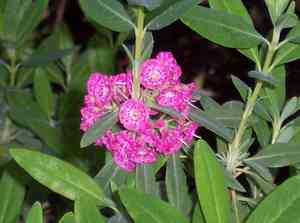
The height of spring, characterized by consistent weather conditions, presents an excellent opportunity for transplanting sheep laurel. Select a location offering partial shade and featuring soil that drains effectively and is acidic. To safeguard the sheep laurel's fragile root structure, refrain from abrupt and drastic environmental changes.
Preparations Required Before Relocating Sheep Laurel
Optimal Timing for Transplanting Sheep Laurel
The ideal window for moving sheep laurel is during the peak vigor of mid to late spring. This period ensures the ground is warm and manageable, fostering strong root development prior to summer's heat. Relocating sheep laurel at this time capitalizes on its natural growth cycle, providing an optimal environment for roots to flourish, leading to a successful transition and splendid growth.
Recommended Spacing Between Sheep Laurel Plants
When planting sheep laurel, aim for a distance of approximately 3-4 feet (0.91-1.22 meters) between each specimen. This spacing guarantees ample room for proper growth. You've got this!
Best Soil Blend for Sheep Laurel Transplantation
Prepare the soil for your sheep laurel using a mix of well-draining soil and organic compost as a foundational fertilizer. This combination will ensure all necessary nutrients are readily available for the plant's root system. Excellent preparation!
Choosing a New Location for Your Sheep Laurel
Select a site that receives full sun to partial shade for your sheep laurel. They thrive with morning sun and afternoon shade. You're doing great finding the perfect spot!
Equipment to Prepare Before Transplanting Sheep Laurel
Gardening Gloves
To safeguard your hands from soil and thorns.
Shovel or Spade
For excavating the plant from its original spot and creating a new hole.
Watering Can
To hydrate the plant before and after its relocation.
Pruning Shears
To trim any dead or damaged parts of the sheep laurel before transplanting, encouraging new growth.
A cart or wheelbarrow
To transport the excavated plant without physical strain.
Measuring Tape
To determine the necessary distance between plants if moving multiple specimens.
Mulch
To help nourish the soil and regulate temperature around the plant roots after transplanting.
How to Extract Sheep Laurel from the Soil
How to Extract Sheep Laurel from the Soil
From Ground: Start by watering the sheep laurel plant to moisten the surrounding soil. Carefully dig a trench around the plant using a shovel or spade, ensuring sufficient distance from the plant to avoid damaging its root ball. Gradually work your way beneath the root ball, and once you encounter a loose layer, gently lift the sheep laurel plant from the ground.From Pot: First, water the potted plant to loosen the soil and roots. Carefully tilt the pot slightly sideways and gently pull at the base of the sheep laurel plant. If it doesn't release easily, gently tap the sides and bottom of the pot without harming the plant to dislodge it.From Seedling Tray: Once the seedling is ready for transplanting (having at least 2-3 pairs of true leaves), water the tray. Gently hold the top of the plant, invert the tray, and tap to slide it out. Use a garden tag or similar tool if the plant remains stuck.
Step-by-Step Guide for Transplanting Sheep Laurel
Hydrate
Thoroughly water the sheep laurel before transplanting, as this can reduce the shock of the process.
Prepare Hole
Dig a hole at the new site, ensuring it is deep and wide enough to accommodate the plantâs roots.
Position sheep laurel
Carefully place sheep laurel into the hole, making sure it is planted at the same depth as it was in its original location.
Refill Hole
Once the plant is correctly positioned, backfill the hole with garden soil, gently firming it around the base of the sheep laurel plant.
Watering
After transplanting, water the sheep laurel plant adequately; keep it moist, but not waterlogged.
Mulch
Finally, apply 2-3 inches of mulch around the plant's base, avoiding contact with the stem, to deter weeds and help retain moisture.
Post-Transplant Care for Sheep Laurel
Hydration
Ensure the sheep laurel plant receives ample water after transplant, especially during the initial weeks, to aid in establishing strong roots. Avoid excessive watering to prevent root rot.
Pruning
Lightly prune if you observe any signs of stress, such as yellow or wilting leaves, to encourage new growth.
Protection
Monitor for pests or diseases that could potentially affect sheep laurel, and take prompt action if necessary.
Patience
Be patient and allow your sheep laurel plant time to acclimate to its new surroundings. It may appear somewhat stressed initially, but with proper post-transplant care, it should gradually recover.
Troubleshooting Common Issues with Sheep Laurel Transplantation.
When is the optimal time to transplant sheep laurel?
The best time to transplant sheep laurel is during late spring to midsummer (S2-S3). This allows the plant sufficient time to establish roots before colder temperatures arrive.
What is the correct spacing between sheep laurel plants?
For optimal growth, position each sheep laurel plant 3-4 feet (approximately 0.9-1.2 meters) apart. This ensures adequate light penetration and air circulation.
How deep should I dig when transplanting sheep laurel?
You should dig deep enough to accommodate the entire root system of sheep laurel. This typically means a hole 2-3 times the width of the root ball and of equal depth.
How to prepare the soil for planting sheep laurel?
The soil should be well-drained and ideally acidic. Incorporate compost or organic material to enhance soil structure. Mix it thoroughly before planting and water the hole before transplanting sheep laurel.
What aftercare is necessary for sheep laurel post-transplanting?
Ensure sheep laurel receives plenty of water, especially in the first few weeks after transplanting. Apply mulch around the plant's base to maintain soil moisture and temperature levels.
How frequently should I water sheep laurel after transplanting?
Water sheep laurel thoroughly immediately after transplanting. Continue watering every few days for the initial weeks, then gradually reduce frequency as the plant becomes established.
Should I prune sheep laurel during transplanting?
It's best to avoid extensive pruning during transplanting. However, removing dead or damaged branches can promote healthier growth for sheep laurel post-transplant.
What should I do if sheep laurel shows signs of disease post-transplanting?
If sheep laurel exhibits signs of disease or wilting after transplanting, ensure it's receiving adequate water and not being overwatered. Consult a local nursery or extension service if the condition persists.
How can I ensure sheep laurel survives winter after transplanting?
Mulch around the base of sheep laurel can help insulate the roots from freezing temperatures. If the plant is small, consider covering it with a cloth during particularly cold nights.
Can I transplant sheep laurel into containers?
Sheep laurel can be successfully grown in containers, provided they are large enough to support growth. Ensure there are sufficient drainage holes and the potting soil is well-draining and fertile.



