How to Transplant Florist kalanchoe?
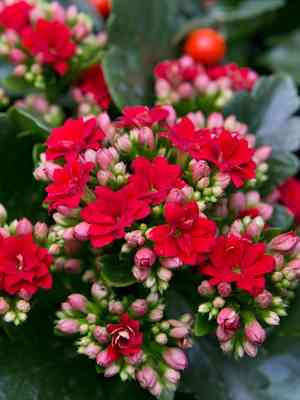
Relocating florist kalanchoe flourishes from mid-spring through late spring, or mid-autumn through late autumn, since these periods provide consistent temperatures and sufficient humidity. Select a site with good drainage and luminous, filtered sunlight. Bear in mind that a delicate approach during transplantation aids in safeguarding fragile root structures.
What Preparations are Needed Before Transplanting Florist Kalanchoe?
What is the Ideal Time for Transplanting Florist Kalanchoe?
The optimal period to relocate your florist kalanchoe spans from mid-to-late spring or mid-to-late fall. During these times, moderate temperatures and stable weather conditions encourage root development and help the plant quickly adapt to its new setting, ensuring it becomes a thriving and vibrant addition to your garden.
How Much Space Should You Leave Between Florist Kalanchoe Plants?
When moving florist kalanchoe, ensure a spacing of 1-2 feet (30-60 cm) between plants. This provides ample room for them to develop robustly!
What is the Best Soil Mix for Florist Kalanchoe Transplanting?
Prior to relocating florist kalanchoe, prepare the soil using a well-draining mixture that includes peat, perlite, and sand. Incorporate a layer of slow-release granular fertilizer to supply essential nutrients.
Where Should You Relocate Your Florist Kalanchoe?
Select a spot where florist kalanchoe will receive at least 4-6 hours of bright, indirect sunlight daily. Avoid direct midday sun, as it can lead to leaf scorching.
What Equipments Should You Prepare Before Transplantation Florist Kalanchoe?
Gardening Gloves
To safeguard your hands while handling soil and the florist kalanchoe plant.
Shovel or Spade
For excavating the hole and extracting the plant from its initial position.
Hand Trowel
To refine the planting hole and manage smaller roots.
Pruning Shears
To trim any impaired or lifeless roots before relocation.
Watering Can or Hose
To hydrate the florist kalanchoe during the relocation process.
Mulch
To aid in retaining soil moisture after transplantation.
Gardening Stakes
To offer initial support for the florist kalanchoe plant, if necessary.
How Do You Remove Florist Kalanchoe from the Soil?
How Do You Remove Florist Kalanchoe from the Soil?
- From Ground:First, water the florist kalanchoe plant to moisten the soil. Then, excavate a wide trench around the plant using a shovel or spade, ensuring the plant's root ball remains intact. Carefully work the spade beneath the root ball to lift the plant from its original spot.- From Pot:Water the florist kalanchoe in the container to dampen the soil. Gently compress the sides of the pot to loosen the root ball. Position your hand over the soil surface with your fingers spread around the plant's base. Invert the pot and gently shake it until the plant and root ball slide out.- From Seedling Tray:Moisten the soil in the tray. Using a hand trowel or your fingers, carefully scoop out the florist kalanchoe seedling, making sure to keep as much of the root system intact as possible.
Step-by-Step Guide for Transplanting Florist Kalanchoe
Site Selection
Choose a location with suitable sunlight and ample space for your florist kalanchoe plant to reach its mature size.
Digging the Hole
Excavate a hole approximately twice the width and equal in depth to the root ball of your florist kalanchoe plant. This provides space for the roots to spread and grow.
Preparing the Plant
Trim any damaged or dead roots from the florist kalanchoe using pruning shears. Gently separate any tightly coiled roots to encourage healthy development.
Plant Placement
Carefully position the florist kalanchoe plant in the hole, ensuring it is at the same depth as it was in its original location. Gently spread out the roots in the hole.
Filling the Hole
Backfill the hole with the excavated soil, making sure the roots are completely covered and no air pockets remain. Gently firm the soil around the base of the florist kalanchoe plant.
Watering
Thoroughly water the newly relocated florist kalanchoe to settle the soil and provide moisture to the roots.
Mulching
Apply a layer of mulch around the base of the florist kalanchoe to help retain soil moisture and suppress weeds.
Staking (if needed)
If the florist kalanchoe requires support, install garden stakes around the plant and gently secure the stems to the stakes with soft garden ties.
How Do You Care For Florist Kalanchoe After Transplanting?
Watering
Maintain consistent soil moisture for the initial weeks post-transplant, ensuring the soil is neither excessively soggy nor dry. This aids in establishing robust roots.
Pruning
Remove any dead or damaged foliage to stimulate new growth on your florist kalanchoe.
Feeding
Apply a slow-release fertilizer to your florist kalanchoe following package instructions a few weeks after transplanting to encourage healthy development.
Monitoring
Keep a close watch on your florist kalanchoe for any indications of stress, such as yellowing or wilting leaves. Address any issues promptly for a successful relocation.
Troubleshooting Common Issues with Florist Kalanchoe Transplantation.
When is the best time to transplant florist kalanchoe?
The optimal season to relocate florist kalanchoe is mid-to-late spring or mid-to-late fall, providing ideal growing conditions.
What is the recommended spacing when transplanting florist kalanchoe?
To ensure proper growth, position florist kalanchoe with a 1-2 feet (30-60 cm) spacing when relocating them.
What kind of soil should I choose for transplanting florist kalanchoe?
Select a well-draining soil mix rich in organic matter. A blend of potting soil and perlite works well for florist kalanchoe.
How much sunlight do florist kalanchoe require after transplanting?
Florist kalanchoe thrives in bright, indirect sunlight. Provide 6-8 hours of daily sunlight to promote healthy growth post-relocation.
How much should I water florist kalanchoe after transplanting?
Water florist kalanchoe thoroughly, allowing the soil to dry out between waterings. Avoid over-watering to prevent root rot.
Should I fertilize florist kalanchoe post-transplant?
Nourish florist kalanchoe with a balanced liquid fertilizer, diluted by half, every 3-4 weeks during the active growing season.
What is the ideal temperature for florist kalanchoe after transplanting?
For healthy growth, maintain a temperature between 60-75°F (15-24°C) with a minimum of 50°F (10°C) at night.
How can I reduce transplant shock in florist kalanchoe?
Prevent transplant shock by gradually acclimating florist kalanchoe to its new environment and ensuring minimal root disturbance.
How should I treat potential pests on florist kalanchoe?
Inspect florist kalanchoe for pests, such as mealybugs and mites. Treat any infestations using insecticidal soap or neem oil.
When should I expect my transplanted florist kalanchoe to bloom?
Florist kalanchoe typically blooms in winter, so anticipate flowers after a few months of healthy growth post-relocation.



