How to Transplant Malabar nut?
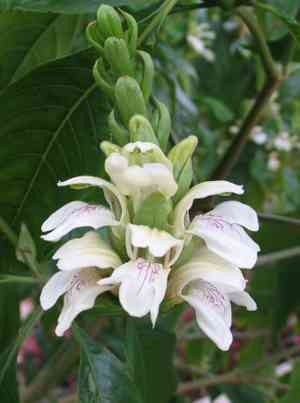
For malabar nut, the ideal period for transplantation is during the warm, active growth phase from late spring through mid-summer. To ensure successful establishment after moving, choose a bright spot with soil that drains effectively. When relocating an older plant, minimize disruption to its root system for optimal outcomes.
What Preparations are Needed Before Transplanting Malabar Nut?
What is the Ideal Time for Transplanting Malabar Nut?
The optimal period for relocating malabar nut spans from late spring through mid-summer. This timing leverages the warm, consistent weather, which is vital for malabar nut roots to become established. During this phase, the soil temperature is perfect for encouraging root development, and the extended daylight hours provide ample light for photosynthesis. Moving malabar nut during this season ensures its best chance to flourish, aligning with the natural growth cycle of perennials. This schedule also guarantees safety from frost, preventing potential cold damage.
How Much Space Should You Leave Between Malabar Nut Plants?
When arranging malabar nut, aim for a separation of approximately 18-24 inches (45-60 cm). This provides your plants with ample room to expand and thrive! Envision each malabar nut having its own dedicated area to absorb nutrients from the sun and earth.
What is the Best Soil Mix for Malabar Nut Transplanting?
Prior to moving malabar nut, enrich your garden with soil that drains effectively. A blend of loamy and sandy soil yields excellent results! Remember to incorporate some compost along with a mild starter fertilizer to give malabar nut a healthy boost.
Where Should You Relocate Your Malabar Nut?
Select a bright spot for your malabar nut where it can receive at least 6 hours of sunlight daily. Gentle morning sun is ideal for this plant. A location offering partial shade in the afternoon will keep malabar nut content and flourishing!
What Equipments Should You Prepare Before Transplantation Malabar Nut?
Gardening Gloves
To safeguard your hands when handling soil and plants.
Shovel or Spade
For excavating the plant and preparing the new planting site.
Hand Trowel
For more precise work around the plant's root system.
Watering Can or Hose
To hydrate the plant before and after its relocation.
Wheelbarrow
To assist in moving the plant and soil if necessary.
Pruning Shears
To trim any damaged roots or stems.
Garden Fork
To loosen the soil surrounding the plant's roots during removal.
Mulch
To aid in retaining moisture around the newly planted area.
Measuring Tape
To help accurately space out the new planting spot.
How Do You Remove Malabar Nut from the Soil?
How Do You Remove Malabar Nut from the Soil?
From Ground: First, moisten the malabar nut to soften the soil. Next, dig a wide trench around the plant using a shovel or spade, ensuring the plant's root ball stays intact. Carefully work the spade beneath the root ball to lift the plant from its original spot, taking care to prevent root damage.From Pot: Start by watering the malabar nut to make the soil more pliable. Invert the pot and tap its base to dislodge the plant. Support the plant by its base and gently pull it from the pot. Be cautious not to tug on the stems.From Seedling Tray: If the malabar nut begins in a seedling tray, water it before transplanting. Use a hand trowel or spoon to scoop around each seedling to lift it out with a clump of soil, aiming to preserve as much of the root system as possible.
Step-by-Step Guide for Transplanting Malabar Nut
Preparation
Prepare the new planting site by digging a hole twice as wide and the same depth as the malabar nut's root ball.
Root Pruning
Trim any damaged or excessively long roots using pruning shears to encourage fresh growth.
Placement
Position the malabar nut in the center of the hole, ensuring it sits at the identical depth it was growing at previously.
Backing Fill
Carefully refill the hole with soil. Periodically press down the soil to eliminate air pockets without over-compacting it.
Watering In
Thoroughly water the malabar nut after transplanting to settle the soil around its roots and help alleviate transplant shock.
Mulching
Apply a layer of mulch around the plant's base to help maintain soil moisture and regulate soil temperature.
How Do You Care For Malabar Nut After Transplanting?
Monitoring
Observe the malabar nut closely in the weeks following its relocation. Look for indications of stress like wilting or yellowing leaves and address them promptly by adjusting care as needed.
Immediate Care
For the initial week, water the malabar nut daily unless there's substantial rainfall. This will assist the roots in recovering and adapting to their new surroundings.
Staking
If the malabar nut is tall and vulnerable to wind damage, use a stake to support it until it becomes established in its new location.
Unexpected Issues
Be ready to manage unforeseen problems such as pest infestations or diseases. Consult a local nursery or extension service if you notice anything unusual.
Troubleshooting Common Issues with Malabar Nut Transplantation.
Why is my malabar nut wilting after transplant?
Wilting can stem from transplant shock. Maintain consistent moisture and provide shade for a few days post-transplant.
What is the best time of year to transplant malabar nut?
The optimal period for relocating malabar nut is during the warmer months from late spring to mid-summer.
How far apart should I space malabar nut when transplanting?
Space malabar nut 18-24 inches (45-60 cm) apart to allow ample room for growth and air circulation.
What soil conditions favor malabar nut's transplant success?
Transplant malabar nut into well-draining, fertile soil with a pH between 6.5 and 7.5 for ideal growth.
How much should I water malabar nut after transplanting?
Immediately after transplanting, water deeply. Then adjust to keep the soil consistently moist, avoiding waterlogged conditions.
Should I fertilize malabar nut right after transplanting?
Wait 4-6 weeks post-transplant before fertilizing malabar nut to prevent root burn and allow establishment.
What is the correct depth to replant malabar nut?
Replant malabar nut at the same depth it was growing previously to encourage proper rooting and stability.
How do I prepare malabar nut for transplanting?
Water malabar nut thoroughly a day before transplanting to lessen stress and facilitate root extraction.
Can I transplant malabar nut on a hot, sunny day?
Avoid transplanting malabar nut on hot, sunny days. Choose overcast or cooler parts of the day to reduce stress.
My malabar nut looks stunted after transplanting. What should I do?
Ensure adequate spacing, sunlight, and water. Check for root-bound conditions or pests and diseases that may hinder growth.



