How to Transplant Eastern red cedar?
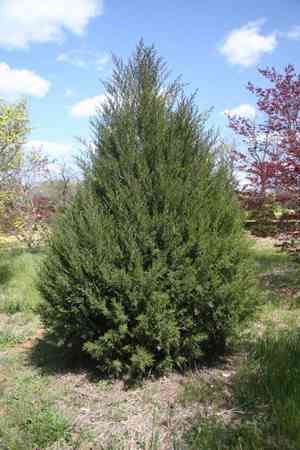
The ideal period for relocating eastern red cedar spans from late spring through midsummer, as the climate offers prime circumstances for root development. Select a sun-drenched location featuring soil that drains effectively, and a helpful hint: irrigate generously for the initial few weeks to facilitate its adjustment.
What Preparations are Needed Before Transplanting Eastern Red Cedar?
What is the Ideal Time for Transplanting Eastern Red Cedar?
The best period for relocating eastern red cedar is from late spring to midsummer, ensuring prime growth and establishment. During this time, warmer ground and extended daylight hours encourage robust root development, leading to a healthier, more resilient plant.
How Much Space Should You Leave Between Eastern Red Cedar Plants?
When moving eastern red cedar, it's crucial to provide ample room for their growth. An optimal spacing of about 15-20 feet (4.5-6 meters) apart is recommended. This not only supports healthy development but also ensures proper air circulation and prevents overcrowding.
What is the Best Soil Mix for Eastern Red Cedar Transplanting?
For eastern red cedar, well-drained, fertile soil is essential for thriving. Incorporating a base fertilizer like compost or aged manure is highly advisable. This rich organic material will help supply vital nutrients and maintain good soil structure, fostering healthy root development.
Where Should You Relocate Your Eastern Red Cedar?
Select a site with full sun to partial shade for transplanting eastern red cedar. This plant is sun-loving, requiring at least 4-6 hours of direct sunlight daily for optimal growth. Ensure the chosen spot offers some protection from strong winds to prevent any damage.
What Equipments Should You Prepare Before Transplantation Eastern Red Cedar?
Gardening Gloves
To safeguard your hands while handling soil and the plant.
Spade or Shovel
Useful for excavating a hole to move the eastern red cedar plant and extracting it from its initial spot.
Hand Trowel
Convenient for making minor adjustments to the hole and spreading out the roots of the eastern red cedar plant.
Pruning Shears
For trimming any damaged roots or branches prior to transplanting.
Mulch
To assist in maintaining soil moisture and temperature around the eastern red cedar plant.
Watering Can or Hose
For hydrating the eastern red cedar plant before and after its relocation.
How Do You Remove Eastern Red Cedar from the Soil?
How Do You Remove Eastern Red Cedar from the Soil?
- From Ground:First, hydrate the eastern red cedar plant to moisten the soil. Next, excavate a wide trench around the plant using a shovel or spade, ensuring the plant's root ball remains intact. Carefully work the spade beneath the root ball to lift the plant from its original position.- From Pot:Water the eastern red cedar plant in its container to moisten the soil. Invert the pot while supporting the plant's stem, gently compressing the pot's sides (or tapping the rim) to loosen the root ball. Carefully extract the eastern red cedar plant from the pot, keeping the root ball undisturbed.- From Seedling Tray:Water the eastern red cedar seedlings to help loosen the soil. Use your fingers or a hand trowel to gently lift out the seedling, taking care not to harm the roots.
Step-by-Step Guide for Transplanting Eastern Red Cedar
Site Selection
Choose a location with adequate space for your eastern red cedar plant to reach its mature size.
Prepare the Hole
Using your spade or shovel, dig a hole that is twice the width of the root ball and of equal depth. Loosen the soil at the bottom and sides of the hole for improved root growth.
Prepare the eastern red cedar Plant
Trim any damaged roots or branches using pruning shears. Gently separate the roots of potted eastern red cedar plants to encourage outward growth.
Place the eastern red cedar Plant
Carefully position the root ball into the hole, ensuring the top of the root ball is level with the ground. Spread the roots out evenly in the hole.
Backfill the Hole
Fill the hole with soil, lightly tamping it down to eliminate any air pockets. Do not bury the eastern red cedar plant deeper than it was in its original location.
Water
Thoroughly water the eastern red cedar plant to help settle the soil around the roots.
Mulch
Apply a 2-3 inch layer of mulch around the eastern red cedar plant, avoiding direct contact with the stem. This helps conserve moisture and regulate soil temperature.
How Do You Care For Eastern Red Cedar After Transplanting?
Watering
Keep the soil around the eastern red cedar consistently moist, but not waterlogged, for the initial few weeks post-transplant to aid in strong root establishment.
Pruning
Regularly inspect your eastern red cedar plant for any damaged or unhealthy branches, and remove them using pruning shears. This will help maintain the plant's shape and overall health.
Monitoring
Keep a close watch on your eastern red cedar plant for any indications of pests or diseases, and address any issues promptly to prevent harm to the plant.
Fertilizing
After the eastern red cedar plant has had time to acclimate to its new location (typically a month or two), consider providing a balanced, slow-release fertilizer to encourage growth.
Troubleshooting Common Issues with Eastern Red Cedar Transplantation.
When is the best time to transplant eastern red cedar?
The optimal period to transplant eastern red cedar is during late spring through mid-summer.
How much space should I leave between eastern red cedars when transplanting?
Allow 15-20 feet (4.5-6 meters) between each eastern red cedar for proper growth and development.
How should I prepare the transplant hole for eastern red cedar?
Excavate a hole 2-3 times the root ball's width and equally deep, loosening soil at the bottom and sides.
What type of soil does eastern red cedar need for successful transplanting?
Eastern red cedar thrives in well-draining soil, with a slightly acidic to neutral pH, and tolerates various soil types.
Do I need to amend the soil before transplanting eastern red cedar?
Improve soil structure with organic matter, such as compost, to promote healthy root growth and enhance drainage.
How do I properly transplant eastern red cedar without causing stress?
Carefully lift the plant, keeping the root ball intact. Place it in the hole and backfill with soil, watering thoroughly.
How often should I water eastern red cedar after transplanting?
Water regularly for the first 3-4 weeks, adjusting to soil moisture levels. Then, reduce watering frequency as needed.
Should I use a stake to support eastern red cedar after transplanting?
Staking is optional, but can help ensure stability during initial establishment, especially in windy areas.
How soon should I prune eastern red cedar after transplanting?
Wait at least one year before pruning to allow the plant to establish and prioritize root growth.
How can I protect eastern red cedar from pests and diseases after transplanting?
Inspect regularly for signs of pest infestations and diseases, using appropriate treatments as needed, and maintain overall plant health.



