How to Transplant Rocky mountain juniper?
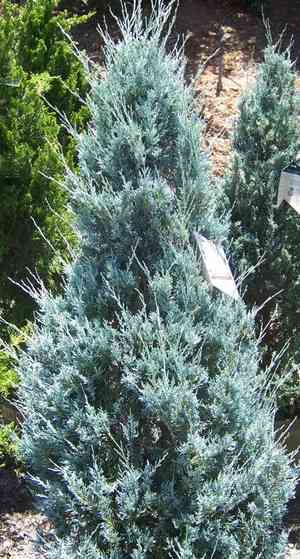
The perfect window for relocating rocky mountain juniper is from late spring to early summer. This timeframe facilitates superior root development in a bright, adequately drained spot. During the transplanting process, ensure the root ball remains intact to minimize shock to the specimen.
What Preparations are Needed Before Transplanting Rocky Mountain Juniper?
What is the Ideal Time for Transplanting Rocky Mountain Juniper?
The best period to relocate rocky mountain juniper is during the pleasant shift from late spring to early summer. Moving it then allows optimal adjustment to its new spot and encourages robust development. This timing is perfect as it gives rocky mountain juniper a chance to establish itself before the intense summer heat. Your effort in moving rocky mountain juniper at the right time ensures its successful adaptation.
How Much Space Should You Leave Between Rocky Mountain Juniper Plants?
When moving rocky mountain juniper, it's crucial to provide ample room for growth. Aim for a spacing of approximately 6-10 ft (1.8-3 m) between plants. This ensures sufficient air circulation and space for their root systems to expand.
What is the Best Soil Mix for Rocky Mountain Juniper Transplanting?
For rocky mountain juniper to flourish, prepare a well-draining soil composed of loam or sandy loam. Incorporate a foundational fertilizer, such as a slow-release, balanced granular type (e.g., 10-10-10), following package instructions to create an optimal growing environment.
Where Should You Relocate Your Rocky Mountain Juniper?
Rocky mountain juniper thrives with abundant sunlight, so select a transplant site that receives full sun (at least 6 hours of direct sunlight) daily. This guarantees strong growth and healthy foliage development. Happy planting!
What Equipments Should You Prepare Before Transplantation Rocky Mountain Juniper?
Gardening Gloves
To safeguard your hands while handling soil and plants.
Shovel or Spade
For digging holes and extracting the plant from its original spot.
Pruning Shears
To trim any damaged or excess roots.
Trowel
For excavating smaller holes and refining the transplant cavity.
Garden Fork
To loosen the soil at the new planting location.
Watering Can or Garden Hose
To hydrate the rocky mountain juniper plant before and after its relocation.
Wheelbarrow or Tarp
For moving the plant if necessary.
How Do You Remove Rocky Mountain Juniper from the Soil?
How Do You Remove Rocky Mountain Juniper from the Soil?
From Ground: First, moisten the soil around the rocky mountain juniper plant. Then, use a shovel or spade to dig a wide trench around the plant, ensuring the root ball remains intact. Carefully work the spade beneath the root ball to lift the plant from its original position.From Pot: Hydrate the rocky mountain juniper plant to moisten its soil. Gently lay the pot on its side and carefully slide the plant out. Keep the root ball whole and avoid excessive root disturbance.From Seedling Tray: Water the rocky mountain juniper plant to ease its removal from the seedling tray. Gently press the soil on the sides and bottom of the cell, then carefully lift the plant by its root ball, avoiding pulling the stem.
Step-by-Step Guide for Transplanting Rocky Mountain Juniper
Site Preparation
Loosen the soil at the transplanting site using a garden fork. This will promote better root penetration and establishment for the rocky mountain juniper plant.
Digging Hole
Excavate a hole with a shovel or trowel that is twice as wide and as deep as the rocky mountain juniper plant's root ball.
Root Inspection and Trimming
Examine the rocky mountain juniper plant's roots for any damage or excessive growth. Use pruning shears to trim any unhealthy or circling roots.
Plant Placement
Position the rocky mountain juniper plant in the hole, ensuring the top of the root ball is level with the surrounding soil surface.
Soil Backfill
Refill the hole with the excavated soil, gently firming it around the root ball. Avoid burying the stem/trunk too deeply, as this can lead to rot.
Watering
Thoroughly water the rocky mountain juniper plant to help settle the soil and eliminate any air pockets.
How Do You Care For Rocky Mountain Juniper After Transplanting?
Mulching
Apply a 2-3 inch layer of mulch around the rocky mountain juniper plant, leaving a gap near the base of the stem/trunk. This helps retain moisture and regulate soil temperature.
Staking
If necessary, stake the rocky mountain juniper plant to provide support and prevent wind damage. However, remove stakes after 1-2 years to encourage independent growth.
Pruning
Monitor the rocky mountain juniper plant for any dead or damaged branches and remove them as needed, allowing the plant to focus energy on establishing strong roots.
Watering
Water the rocky mountain juniper plant consistently during the first year, providing about 1 inch of water weekly, adjusting based on local climate. After the first year, rocky mountain juniper should require less frequent watering.
Troubleshooting Common Issues with Rocky Mountain Juniper Transplantation.
What's the perfect time to transplant rocky mountain juniper?
The ideal period to move rocky mountain juniper is from late spring to early summer, when the plant has a higher chance of survival.
How should I space rocky mountain juniper when transplanting?
Provide rocky mountain juniper with ample room to grow. Ideally, separate each plant by 6-10 ft (1.8-3 meters).
Should I water rocky mountain juniper right after transplanting?
Yes, water immediately after transplanting. It's important to keep the soil moist but not waterlogged, so irrigate as needed.
What if rocky mountain juniper shows signs of wilting or tipping over after replanting?
Support rocky mountain juniper upright using a sturdy stick or brace on both sides if it appears unstable or wilting post-transplant.
Do I need to add any soil amendments when transplanting rocky mountain juniper?
Rocky mountain juniper prefers well-drained soil. While not essential, soil enrichment is beneficial. Peat moss or compost are good choices.
What's the best size of hole to plant rocky mountain juniper in?
Prepare a hole twice as wide and as deep as the root ball. This gives rocky mountain juniper plenty of space for rooting.
How do I handle rocky mountain juniper's roots when transplanting?
Handle with care. If roots are dense, gently loosen them with your fingers to encourage outward growth.
Can I transplant rocky mountain juniper in a pot?
Absolutely! Ensure the pot is large enough to accommodate rocky mountain juniper's root system and has adequate drainage.
Can rocky mountain juniper handle transplant shock? Any signs to look for?
Like any plant, rocky mountain juniper can experience transplant shock. Watch for yellowing leaves, wilting, or slowed growth.
What to do if rocky mountain juniper doesn't seem to settle in after transplantation?
Ensure consistent watering and that the site meets rocky mountain juniper's light requirements. If issues persist, consult a local nursery or extension service.



