How to Transplant Japanese garden juniper?
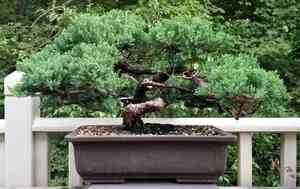
To ensure the successful establishment of japanese garden juniper, relocate it between early and late spring, or from late autumn through late winter, as these periods provide ideal conditions for robust development. Select a site that receives full sun or partial shade and features soil with good drainage. Remember, careful management of the root system during the transfer process is crucial!
What Preparations are Needed Before Transplanting Japanese Garden Juniper?
What is the Ideal Time for Transplanting Japanese Garden Juniper?
Relocate japanese garden juniper during 'spring's awakening or winter's dormancy', ideally from early to late spring or late autumn to deep winter. This timeframe offers the most favorable conditions for growth. You'll gain the greatest advantage of improved root establishment and minimal shock for japanese garden juniper during this period. Be assured, your plant's readiness for its growth spurts or resting phases is perfectly timed!
How Much Space Should You Leave Between Japanese Garden Juniper Plants?
When moving japanese garden juniper, you'll want to provide ample room for each plant to expand. Position them approximately 24-72 inches (60-180 cm) apart for optimal outcomes. This ensures they have the necessary area to thrive and reach their full potential.
What is the Best Soil Mix for Japanese Garden Juniper Transplanting?
For successful relocation of japanese garden juniper, select a well-draining soil with a slightly acidic pH of 5.5-6.5. Incorporate a foundational fertilizer, such as a slow-release granular type, prior to planting to supply your japanese garden juniper with essential nutrients for vigorous development.
Where Should You Relocate Your Japanese Garden Juniper?
Moving japanese garden juniper to a location with full sun to partial shade would be optimal. This means your plant should receive sunlight for at least 4-6 hours daily. If feasible, find an area that gets morning sun and light shade in the afternoon to shield japanese garden juniper from the harsher afternoon rays.
What Equipments Should You Prepare Before Transplantation Japanese Garden Juniper?
Hand Trowel
Convenient tools for working with smaller plants like japanese garden juniper. It assists in digging and removing soil around the plant.
Gardening Gloves
To safeguard your hands while handling soil and plants.
Shovel/Spade
Utilized for excavating a broader hole at the new planting site.
Watering Can
An essential item for proper hydration of the plant before and after relocation.
Garden Pruner
To trim any dead foliage and manage the plant's shape prior to moving.
Wheelbarrow
Useful for transporting the plant, especially if the rootball is heavy.
How Do You Remove Japanese Garden Juniper from the Soil?
How Do You Remove Japanese Garden Juniper from the Soil?
From Ground: Begin by watering the japanese garden juniper plant to soften the surrounding earth. Next, create a wide circle around the plant using a shovel or spade to encompass the entire root system, ensuring the root ball remains intact. Gently work beneath the root ball to loosen and lift the plant.From Pot: Carefully, tip the pot sideways and hold the japanese garden juniper at its base. Now, apply gentle pressure to the pot's base to slide the plant out along with its root ball.From Seedling Tray: Water the japanese garden juniper seedlings and carefully extract them from their compartments by pushing up from the bottom. Gently untangle roots if they have intertwined.
Step-by-Step Guide for Transplanting Japanese Garden Juniper
Preparation
Trim any dead or withered foliage. Then, immerse the japanese garden juniper plant's root ball in water to hydrate the roots before relocation.
Digging Hole
Prepare the new location by digging a hole that is twice as wide and the same depth as the root ball.
Planting
Position japanese garden juniper in the hole centrally and spread out its roots. The top of the root ball should be level with the ground surface.
Backfilling
Fill the hole with soil firmly to eliminate any air pockets and to secure the plant. However, be careful not to compact it too tightly as this could impede root growth.
Watering
Water generously after planting, but ensure the plant is not sitting in standing water.
How Do You Care For Japanese Garden Juniper After Transplanting?
Mulching
Cover the area around the japanese garden juniper with a layer of organic mulch to help retain moisture and suppress weed growth. Keep the mulch a few inches away from the plant's base to prevent rot.
Checking
Monitor the japanese garden juniper regularly for indications of stress, such as wilting, yellowing, or leaf loss.
Pruning
Prune to manage size and shape only after the japanese garden juniper has fully recovered from relocation, which may take several months.
Fungal Disease Prevention
Consider incorporating a broad-spectrum fungicide into the watering routine, as japanese garden juniper is susceptible to certain fungal diseases.
Troubleshooting Common Issues with Japanese Garden Juniper Transplantation.
When is the best time of the year to transplant japanese garden juniper?
The optimal period to relocate japanese garden juniper is from early spring until late spring or from late autumn to the end of winter.
What's the ideal spacing for japanese garden juniper after transplanting?
Ensure to provide ample room for japanese garden juniper to grow. Optimal spacing would be between 24-72 inches (60-180 cm).
How deep should I dig the hole for transplanting japanese garden juniper?
Excavate a hole that is twice the width and the same depth as the root ball of the japanese garden juniper.
How should I prepare the soil for transplanting japanese garden juniper?
Improve the soil by adding compost to enhance its fertility. Ensure it drains effectively since japanese garden juniper dislikes waterlogged conditions.
How much water does japanese garden juniper need right after transplanting?
After relocating, thoroughly water japanese garden juniper until the soil is saturated. Be careful not to leave standing water which can lead to rot.
Should I prune japanese garden juniper right after transplanting?
Avoid pruning japanese garden juniper immediately after relocation. Allow it some time to adapt to its new surroundings to prevent unnecessary stress.
What should I do if the transplanted japanese garden juniper looks wilted?
Wilting can indicate transplant shock. Keep the soil moist and shield the plant from intense sunlight for a few days.
Why are the leaves of transplanted japanese garden juniper turning brown?
Brown leaves are often a result of either too much or insufficient water. Adjust watering and verify that drainage is adequate.
How can I help japanese garden juniper establish well after transplanting?
Mulching around japanese garden juniper helps retain moisture and suppresses weed competition. Just avoid piling it against the plant's base.
Why isn't my transplanted japanese garden juniper growing?
Relocated plants often prioritize root development before top growth. If it's properly watered and fertilized, a bit of patience may be required!



