How to Transplant Sword-leaved rush?
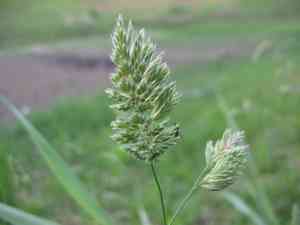
Relocate sword-leaved rush during the peak of spring through early summer to ensure vigorous development. Opt for locations receiving partial sunlight and possessing damp earth. Should plants be densely packed, carefully separate and distribute them to encourage maximum vitality.
Essential Preparations Before Relocating Sword-leaved Rush
Optimal Period for Moving Sword-leaved Rush?
Relocate sword-leaved rush from the peak of spring to the early days of summer for best root establishment. This timeframe utilizes the season's gentle temperatures, promoting the plant's vigorous development and successful adjustment to its new spot. Embrace this period where cool evenings and warm days foster a supportive environment for sword-leaved rush, enabling it to flourish post-transplant. This is more than just a task; it's a nurturing act for your garden's beloved perennial, sword-leaved rush, giving it the finest start in its new home.
Required Spacing Between Sword-leaved Rush Plants?
When moving sword-leaved rush, ensure adequate room for each specimen. Aim for a separation of approximately 1-2 feet (30-60 cm). This promotes healthy development and prevents overcrowding, guaranteeing each plant receives necessary resources. Happy gardening!
Best Soil Blend for Sword-leaved Rush Relocation?
Properly prepare the soil for sword-leaved rush. It thrives in clay, sandy, or loamy soil types. Just confirm the soil drains effectively. Incorporate a foundational fertilizer rich in nitrogen (N), phosphorus (P), and potassium (K) to give your plants a robust beginning.
Where to Position Your Sword-leaved Rush?
Select a site where sword-leaved rush will receive ample sunlight. It's a sun-loving species but tolerates partial shade. A location with roughly 6 hours of daily sunlight would be perfect. Don't worry, you're doing great!
Equipment Needed Before Relocating Sword-leaved Rush?
Digging Spade
To extract the plant from its original spot and to excavate a new hole for relocation.
Gardening Gloves
To safeguard your hands while handling soil and the plant.
Trowel
For minor soil adjustments around the base of sword-leaved rush.
Watering Can or Hose
To hydrate the plant before and after its relocation.
Root Pruning Shears
To trim any damaged or excessively long roots of sword-leaved rush prior to transplanting.
Mulch
For retaining moisture and enhancing soil health around the plant after relocation.
Wheelbarrow or Container
To move the plant from its initial position to the new one.
Support Stakes (if needed)
Mature sword-leaved rush plants may require extra support until their root systems are fully established.
How to Extract Sword-leaved Rush from the Ground?
How to Extract Sword-leaved Rush from the Ground?
From Ground: First, thoroughly water the sword-leaved rush plant to make the soil moist and easier to manage. Using a digging spade, dig a circle around the plant wide enough to encompass its root spread. Angle the spade slightly beneath the plant and carefully lift it along with its root ball.From Pot: Begin by watering the potted plant. Turn the pot on its side and gently slide the plant out, preserving as much of the root system as possible. If the plant is stuck, avoid forceful pulling to prevent damage.From Seedling Tray: For sword-leaved rush plants in seedling trays, first water the seedlings well. Gently hold the plant by its leaves (not the stem) and use a trowel to lift the plant, including its roots and surrounding soil.
Step-by-Step Guide for Relocating Sword-leaved Rush
Align
Position sword-leaved rush in the hole so that the top of its root ball is level with the ground surface. Carefully adjust its placement, ensuring no roots are overly bent or broken.
Fill
Gradually backfill the hole with the native soil, gently tamping with your hands to eliminate any air pockets.
Water
Thoroughly water the plant to settle the soil around its roots.
Mulch
Apply a layer of mulch around the plant, keeping it slightly away from the stem. Mulch will help retain moisture and suppress weeds.
Provide Support (if needed)
For larger sword-leaved rush plants, staking may be necessary. Ensure stakes are secure and do not harm the plant, adjusting as required.
Post-Transplant Care for Sword-leaved Rush
Watering
Keep the soil around sword-leaved rush consistently damp, but avoid overwatering to prevent root rot. The plant should never sit in standing water.
Mulching
Replenish the mulch layer as needed, typically once or twice during the growing season. This will help maintain soil moisture and coolness.
Pruning
Regular trimming will help the plant maintain a tidy appearance. Cut back any brown or yellow leaves to encourage new growth.
Monitoring
Closely observe your sword-leaved rush after relocation. Watch for signs of water stress or disease, such as wilting or discoloration. If the plant appears to be struggling, try adjusting water levels or checking for pests and diseases.
Resolving Common Issues with Sword-leaved Rush Relocation.
When is the best time of year to move sword-leaved rush?
The optimal seasons for relocating sword-leaved rush are late spring through mid-autumn.
What is the correct spacing for each sword-leaved rush during relocation?
Each sword-leaved rush requires approximately 1-2 feet (30-60 cm) of space, allowing for proper growth.
Why are the leaves of my sword-leaved rush yellow after relocation?
Yellowing may indicate transplant shock or water stress. Ensure proper hydration and sufficient sunlight.
How deep should I dig the hole for relocating sword-leaved rush?
Dig a hole twice the size of the root ball. This comfortably accommodates sword-leaved rush's roots.
Why is my relocated sword-leaved rush wilting?
Sword-leaved rush may wilt due to insufficient watering, excessive watering, or inadequate sunlight. Adjust care as necessary.
How to prepare the soil for relocating sword-leaved rush?
Sword-leaved rush prefers well-drained soil. Consider enriching it with organic matter to enhance soil structure and nutrient content.
Should I water sword-leaved rush immediately after relocation?
Yes, providing sword-leaved rush with a thorough watering immediately after relocation helps it settle into the new soil.
Why isn't my relocated sword-leaved rush growing?
Lack of growth could be due to poor soil, insufficient light, or inadequate water. Examine and correct these factors.
What's the ideal temperature for relocating sword-leaved rush?
While sword-leaved rush is quite resilient, a mild temperature range (50-70°F or 10-21°C) is perfect for relocation.
Can I relocate sword-leaved rush into a pot?
Certainly, sword-leaved rush can be potted, just ensure the pot has good drainage and is large enough for the plant's roots.



