How to Transplant Common rush?
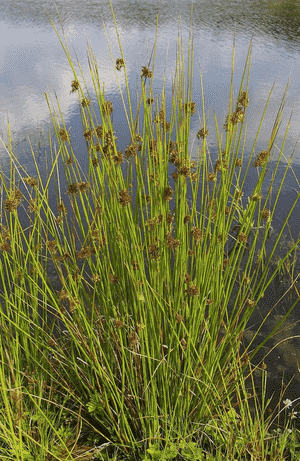
The optimal period for relocating Juncus effusus is during the initial to final weeks of spring or the middle to end of autumn, since these cooler periods facilitate superior root development. Juncus effusus flourishes in moist, adequately draining environments with exposure to full or partial sunlight. Ensure the substrate remains uniformly hydrated for a successful relocation!
What Preparations are Necessary Before Relocating Common Rush?
What is the Optimal Period for Relocating Common Rush?
Ideally, common rush should be moved from its initial spot to a new one during the crisp onset of spring through its late blooming phase, or from mid-autumn as leaves begin to fall, until late autumn, for robust establishment. Relocating common rush during these periods ensures it experiences less stress and can comfortably adapt to its new environment, preserving the vigor of this perennial. Incorporate this into your gardening routine for common rush to enjoy continuous growth and longevity!
How Much Space Should Be Maintained Between Common Rush Plants?
When relocating common rush, it's best to position them approximately 12-18 inches (30-45 cm) apart. This provides ample room for the plants to expand and spread, and helps maintain the health of their root systems.
What is the Best Soil Mixture for Common Rush Relocation?
For common rush, prepare the planting site with soil that is moist and drains well. Incorporate some organic material, such as compost, to enhance soil structure. Apply a balanced, slow-release fertilizer to provide a good nutritional base.
Where Should You Replant Your Common Rush?
Select a spot in your garden that receives partial to full sunlight for common rush's optimal development. This plant can endure some shade, but flourishes with at least 6 hours of daily sun.
What Tools Should You Prepare Before Relocating Common Rush?
Gardening Gloves
To safeguard your hands while handling soil and plants.
Shovel or Spade
For excavating holes and lifting plants.
Trowel
For more precise tasks such as extracting seedlings from trays.
Watering Can or Hose
To supply water during the relocation process.
Pruner
To trim and shape the common rush plant if required.
Compost or Organic Matter
To enrich the planting site and encourage healthy root development.
How Do You Extract Common Rush from the Soil?
How Do You Extract Common Rush from the Soil?
From Ground: First, hydrate the common rush plant to moisten the soil. Then, excavate a wide trench around the plant using a shovel or spade, ensuring the plant's root ball remains intact. Carefully work the spade beneath the root ball to lift the plant from its original position.From Pot: Thoroughly water the common rush plant to loosen the soil surrounding the root ball. Gently tap the sides of the pot to dislodge the soil and carefully slide the plant out, preserving the root structure.From Seedling Tray: Water the tray to dampen the soil around the seedlings. Use a trowel to gently lift seedlings by their roots, taking care not to disturb other seedlings in the tray.
Step-by-Step Guide for Relocating Common Rush
Prepare the Plant
If the common rush plant is excessively large or unruly, lightly trim it to a manageable size.
Prepare the Planting Hole
Dig a hole twice as wide and deep as the root ball. Add compost or organic matter to the bottom of the hole to enrich the soil.
Water
Fill the hole with water and allow it to drain to ensure good root-to-soil contact. Water the common rush plant thoroughly to help establish its roots in the new location.
Position the Plant
Carefully place the common rush plant in the hole, positioning the root ball at the same level as the surrounding soil for proper growth and support.
Backfill the Hole
Fill the hole with soil and gently compact it to eliminate any air pockets.
How Do You Care For Common Rush After Relocation?
Monitor Water
Keep a close watch on the soil moisture after relocation, watering regularly to ensure the common rush plant is adequately hydrated while it establishes itself in the new spot.
Pruning
Lightly prune the common rush plant as needed to maintain its desired form and dimensions.
Mulching
Apply mulch around the base of the common rush plant to help retain moisture and suppress weeds.
Pest and Disease Control
Watch for any indications of pests or diseases, treating them promptly with organic or chemical solutions as required.
Troubleshooting Common Issues with Common Rush Relocation.
What's the best time of year for relocating common rush?
For a successful relocation, common rush should be moved from their original spot during early to late spring or from mid to late autumn.
How far apart should I space common rush when relocating?
Ensure a spacing of 12-18 inches (30-45 cm) between common rush plants. This allows each plant sufficient room to grow without competition.
What should I do if the relocated common rush appears wilted?
Wilted common rush after a relocation is common. Keep the soil moist and the plant shaded. Recovery is probable within a week.
What kind of soil should I use when relocating common rush?
Common rush thrives in rich, well-draining soil. Amending your soil with compost before relocating can provide additional nutrients.
Do I need to water common rush after relocating?
Yes, you should thoroughly water common rush after relocating. This helps settle the soil around the roots, reducing plant stress.
To ensure common rush's healthy growth, how deep should I replant common rush into the soil?
When relocating, ensure common rush's root ball is covered with soil, but avoid burying the stem. This maintains a healthy root environment.
What should be the size of the hole when relocating common rush?
The hole should be twice the width and equal the depth of common rush's root ball to give it space to establish itself.
What if my common rush shows signs of disease after relocating?
If common rush shows disease symptoms, identify and treat the disease promptly to prevent spread. Consult a local nursery if necessary.
Should I prune common rush before relocating?
Pruning isn't mandatory but it can help common rush direct more energy to root development. Be careful not to over-prune.
Does common rush need any special care after relocating during warmer seasons?
During warm periods, common rush may require extra water and shade. Monitor your plant closely and adjust care accordingly.



