How to Transplant Baltic rush?
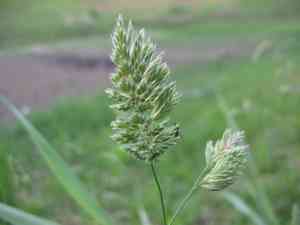
The optimal period for transplanting baltic rush is during the earth's reawakening in mid to late spring, ensuring robust development. To achieve successful re-establishment, a damp, adequately draining site will enhance baltic rush's root formation and hardiness. Simply confirm the chosen area replicates its native environment for peak well-being.
Essential Preparations Before Moving Baltic Rush?
Optimal Timing for Relocating Baltic Rush?
The best time to move baltic rush to its new spot is from mid to late spring. This period allows baltic rush to develop roots in the mild, damp soil, leveraging the spring's strong growth energy. With longer daylight and the earth awakening from winter, baltic rush can strengthen before summer's heat. This ensures a strong start, with nature's supportive conditions creating an ideal environment for baltic rush's success. Believe me, transplanting during this window will give baltic rush the gentle boost it needs to flourish.
Required Spacing Between Baltic Rush Plants?
Greetings! Before settling your baltic rush into their new home, ensure they are spaced approximately 10-12 inches (25-30 cm) apart. This will provide each plant ample room to thrive and expand its lovely foliage!
Ideal Soil Blend for Baltic Rush Transplantation?
For your baltic rush, a well-drained soil rich in organic matter will be perfect. Adding a balanced, slow-release fertilizer before planting would be beneficial, giving them a nutritious start!
Recommended Location for Your Baltic Rush?
Your baltic rush will flourish best with a combination of sun and shade. When selecting their site, aim for a location that receives partial sunlight, allowing them to enjoy warmth without excessive direct sun. Happy planting!
Equipment Needed Before Transplanting Baltic Rush?
Gardening Gloves
To shield your hands while handling soil and plants.
Shovel or Spade
For excavating the plant from its original spot without harming the root ball.
Garden Fork
To loosen the soil around the plant's roots and to help aerate the new planting area.
Hand Trowel
For more precise tasks like adjusting soil or digging smaller holes when moving smaller specimens.
Watering Can or Hose
To thoroughly hydrate the plant before and after the transplanting process.
Pruning Shears
To trim any dead or excessive growth from the plant prior to transplanting.
Wheelbarrow or Garden Cart
To easily transport the plant and soil.
Mulch
To apply around the plant's base after transplanting to retain moisture and prevent weeds.
How to Extract Baltic Rush from the Soil?
How to Extract Baltic Rush from the Soil?
From Ground: Hydrate the baltic rush plant to moisten the soil. Dig a wide trench around the plant using your shovel or spade. Carefully slide the spade beneath the root ball to gently lift the baltic rush from the soil.From Pot: Tilt the pot sideways and gently tap the base or sides to loosen the baltic rush. Hold the plant's base and pull it out, supporting the root ball to prevent it from breaking apart.From Seedling Tray: Use a hand trowel or your fingers to loosen the soil around the seedling. Gently hold the baltic rush by its leaves, not the stem, and carefully remove the plant from the tray with its roots intact.
Step-by-Step Guide for Transplanting Baltic Rush
Preparation
Water your baltic rush thoroughly the day before transplanting to lessen shock and simplify removal.
Digging the New Hole
Excavate a hole in the ground that is twice as wide and as deep as the root ball of your baltic rush to allow for proper root expansion.
Placing the Plant
Position the baltic rush into the hole, ensuring the top of the root ball is level with the surrounding soil surface. Spread the roots outward if they are densely packed.
Filling the Hole
Backfill the hole with soil, gently firming it down to remove any air pockets, but be careful not to compact the soil too tightly.
Watering
Immediately water the baltic rush to settle the soil around the roots and to hydrate the plant.
Applying Mulch
Spread a layer of mulch around the base of the baltic rush, keeping it a few inches away from the stems to prevent rot.
Post-Transplanting Care for Baltic Rush
Stabilization
Support the baltic rush with garden stakes if it appears unstable or if it is particularly tall and top-heavy.
Monitoring
Regularly check the plant for signs of stress, such as wilting or discolored leaves, and address any issues promptly.
Watering
Ensure the soil around the baltic rush remains consistently moist during the initial growing season to encourage establishment.
Pruning
Trim any damaged or excessively long roots before planting and cut back any dead or damaged foliage after transplanting to help the baltic rush focus on establishing new roots.
Addressing Common Issues with Baltic Rush Transplantation.
How do I know when to transplant baltic rush?
Move baltic rush during its peak growth period from mid to late spring, which is ideal for root establishment.
What's the correct spacing for baltic rush when transplanting?
Maintain a spacing of about 10-12 inches (25-30 cm) between baltic rush plants to allow sufficient room for growth.
Why are my transplanted baltic rush wilting?
Baltic rush may wilt if stressed; ensure adequate watering and well-draining soil.
Should I fertilize baltic rush right after transplanting?
Wait a few weeks before fertilizing baltic rush to prevent root burn while they are still delicate.
How deep should I plant baltic rush?
Plant baltic rush at the same depth it was previously grown; planting too deep can lead to rot.
Can I transplant baltic rush during the summer?
It's best to transplant baltic rush in cooler weather to minimize shock, prioritizing late spring over summer.
How often should I water baltic rush after transplanting?
Water baltic rush regularly to keep the soil moist but not waterlogged, promoting healthy root growth after transplanting.
How can I protect transplanted baltic rush from the sun?
Use a shade cloth to shield baltic rush from intense sun for the first few weeks post-transplant.
What soil type is best for transplanting baltic rush?
Utilize a mix of loamy, sandy soil with good drainage to prevent waterlogging around transplanted baltic rush.
My transplanted baltic rush are yellowing; what do I do?
Yellowing can indicate stress. Verify that soil pH, moisture, and sunlight conditions are optimal for baltic rush.



