How to Transplant Black walnut?
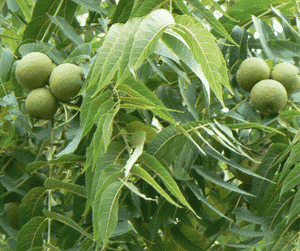
For effective relocation, the prime period for black walnut is from late spring through mid-summer, since elevated temperatures foster root development. Select a bright spot with soil that drains efficiently to maximize its development. A helpful suggestion: Refrain from moving it close to other vegetation, as black walnut can impede their proliferation.
What Preparations are Necessary Before Relocating Black Walnut?
What is the Optimal Period for Relocating Black Walnut?
Relocating black walnut during the mild period between late spring and midsummer is highly advisable, as it permits the plant to establish its root system prior to colder weather. This timing guarantees robust and fruitful development for the coming years.
How Much Space Should You Provide Between Black Walnut Plants?
Prepare to relocate your black walnut by generously spacing them 40-70 feet (12-21 meters) apart. This will afford the plants ample room to expand and flourish.
What is the Best Soil Mixture for Black Walnut Relocation?
Prepare the soil with a well-draining loamy or sandy blend by incorporating a foundational fertilizer rich in organic material. This aids your black walnut in growing healthily and vigorously.
Where Should You Replant Your Black Walnut?
For optimal outcomes, replant your black walnut in a sunny spot that receives at least 6-8 hours of direct sunlight daily. This ensures the plant's best growth and maturation.
What Equipment Should You Prepare Before Relocating Black Walnut?
Gardening Gloves
To safeguard your hands while handling the soil and black walnut plant.
Shovel or Spade
To excavate the hole in the ground and lift the black walnut plant from its initial position.
Pruning Shears
To trim any compromised roots and branches from the black walnut plant before relocation.
Measuring Tape or Stick
To determine the appropriate depth for the black walnut plant's relocation hole.
Bucket or Wheelbarrow
For conveying the black walnut plant and any extra soil required during relocation.
Watering Can or Hose
To hydrate the black walnut plant before and after relocation.
How Do You Extract Black Walnut from the Soil?
How Do You Extract Black Walnut from the Soil?
- From Ground:Start by watering the black walnut plant to moisten the surrounding soil. This will facilitate removal without harming the roots. Using a shovel or spade, dig a wide trench around the plant, ensuring the root ball remains intact. Gently work the spade beneath the root ball and lift the plant from its original spot.- From Pot:Water the black walnut plant to dampen the soil. Gently tap the pot's sides to loosen the soil and black walnut plant. Place one hand over the soil surface with the plant's stem between your fingers, then invert the pot. Carefully slide the pot off the root ball, taking care not to damage the roots or branches.- From Seedling Tray:Water the black walnut seedlings to dampen the soil. Using a small shovel or your fingers, carefully lift the black walnut seedling by its leaves (not the stem) and gently separate the roots from the soil, being cautious not to harm them.
Step-by-Step Guide for Relocating Black Walnut
Size and Spacing
Ascertain the recommended mature dimensions and spacing requirements for the black walnut plant. This information is typically found on the plant tag or online.
Hole Preparation
Excavate a relocation hole that is twice the width and the same depth as the black walnut plant's root ball, using your shovel or spade. The soil at the hole's base should be loose to encourage root development.
Root Trimming
With your pruning shears, trim any damaged or excessively long roots from the black walnut plant.
Placement
Carefully lower the black walnut plant's root ball into the hole's center, spreading the roots out in the loose soil. The top of the root ball should be level with the surrounding soil surface.
Backfilling
Fill the hole around the root ball with soil, being careful not to bury the black walnut plant deeper than its previous growth level. Gently compact the soil to eliminate air pockets and provide stability for the plant.
Watering
Thoroughly water the black walnut plant with a watering can or hose, ensuring complete saturation of the root ball and surrounding soil. This will help settle the soil and establish good root-to-soil contact.
How Do You Care For Black Walnut After Relocation?
Watering Schedule
Maintain consistent soil moisture around the black walnut plant for the initial weeks following relocation to establish robust roots. Avoid over-watering, as this can lead to root decay.
Pruning
Remove any damaged or dying branches from the black walnut plant using pruning shears. This will redirect the plant's energy towards developing new roots and fostering healthy growth.
Mulching
Apply a 5 cm toUNIT_CONVERT_START_3 inches_UNIT_CONVERT_STARTlayer of organic mulch around the base of the black walnut plant to help retain moisture, suppress weeds, and regulate soil temperature.
Monitoring
Observe the black walnut plant for any indications of relocation shock or pest infestation. If you notice wilting or yellowing leaves, adjust your watering regimen accordingly. Check for pests and take appropriate measures if necessary.
Troubleshooting Common Issues with Black Walnut Relocation.
When is the best time to relocate black walnut?
The ideal period to relocate black walnut is late spring to mid-summer, when the weather is mild and pleasant.
What is the optimal spacing for black walnut?
Ensure proper growth by planting black walnut 40-70 feet (12-21 meters) apart from each other.
How deep should the hole be for relocating black walnut?
Dig a hole twice the width and depth of the root ball, allowing for proper root development.
Do I need to amend the soil when relocating black walnut?
Enrich the soil with organic matter to enhance drainage and boost nutrient content for healthy growth.
How much water is required when relocating black walnut?
Water thoroughly during relocation, then provide consistent moisture without over-saturating the soil.
Should I use a stake or support when relocating black walnut?
Support the young black walnut with a stake if necessary, but avoid damaging the main stem or roots.
How can I ensure proper root growth for a successfully relocated black walnut?
Gently separate tangled roots and spread them out in the hole to encourage healthy root development.
What precautions should I take when choosing a relocation location for black walnut?
Select a location with well-draining soil, full sun exposure, and sufficient space to accommodate mature size.
How can I protect my relocated black walnut from pests and diseases?
Ensure good air circulation, inspect regularly for signs of pests or diseases, and treat promptly as needed.
Do I need to prune my black walnut after relocating?
Light pruning to shape the tree and remove any damaged branches is beneficial after relocating.



