How to Transplant Butternut?
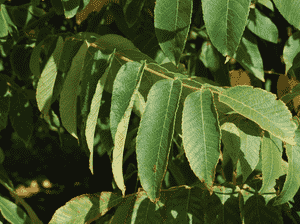
The ideal period for transplanting butternut spans from late spring to the beginning of summer, facilitating a smooth adjustment as warmer temperatures aid in root development. Choose a location that drains effectively and receives ample sunlight to some shade, and contemplate applying a mulch layer after moving the plant to help retain soil moisture.
Essential Preparations Before Relocating Butternut
Optimal Period for Butternut Relocation?
The prime time to move butternut is at the start of early summer, primarily to aid its adaptation. Transplanting butternut then ensures robust root development before the onset of cold weather.
Required Spacing Between Butternut Plants?
For butternut, ensure ample room for growth. Maintain a distance of roughly 20-30 feet (6-9 meters) between each plant during the transplanting process. This promotes healthy development and prevents overcrowding.
Best Soil Mixture for Butternut Transplanting?
Butternut requires soil that drains well and is rich in organic matter. Before planting, enrich the soil with a foundational fertilizer, such as compost or aged manure. Checking soil pH is also advisable, as butternut thrives in slightly acidic conditions (pH 6.0-6.5).
Where to Position Your Butternut?
When choosing a spot for butternut, select an area that receives full sun to partial shade. This guarantees sufficient sunlight for proper development. However, avoid locations with intense afternoon sun, as it might negatively impact butternut's overall health.
Equipment Needed Before Butternut Transplantation?
Gardening Gloves
To safeguard your hands while handling the plant and soil.
Shovel or Spade
Necessary for excavation. A smaller hand trowel can also be beneficial for greater precision.
Pruning Shears
For trimming damaged or excessively long roots.
Garden Hose or Watering Can
For initial watering and post-transplant irrigation.
Wheelbarrow
To move the butternut plant from its original spot to the new one.
Burlap and Twine
To support and transport the root ball, if required.
How to Extract Butternut from the Soil?
How to Extract Butternut from the Soil?
From Ground: Hydrate the butternut plant to moisten the soil, which will facilitate digging. Excavate a wide circle around the butternut plant with the shovel or spade, approximately three times the root ball's diameter. Working around the plant, carefully dig downwards and slightly inwards beneath the root ball. Once the soil is loosened all around and under the plant, gently lift the root ball from the ground.From Pot: Water the butternut plant several hours before transplanting; this will assist in its removal. Turn the pot on its side, hold the plant carefully by its stems or leaves, and tap the container's bottom until the plant slides out. You might need to press on the pot to loosen the soil and roots.From Seedling Tray: Again, thoroughly water the seedlings before transplanting. Carefully hold the butternut plant by its leaves, not its stem. With a spoon or your fingers, gently dig around the roots, then lift the plant from the tray.
Butternut Transplanting: A Step-by-Step Guide
Preparation
Begin by preparing the new planting site for the butternut plant. It should be twice as wide and equal in depth to the plant's root ball. Once the hole is ready, center the butternut and ensure the top of the root ball is level with the soil surface. Adjust as needed.
Positioning
Always handle the butternut by its root ball, never by its trunk or stems. Carefully place the plant in the center of the hole, ensuring it is upright.
Backfill
Refill the hole with the excavated soil. Press the soil down but avoid over-compacting it, as this can hinder water penetration to the roots.
Watering
Once the butternut is in place, water it thoroughly to settle the soil and eliminate air pockets. You may need to add more soil after watering.
Mulching
Apply a layer of mulch around the butternut plant, but keep it away from the trunk. This will help retain moisture and suppress weeds.
Butternut Care After Transplanting
Post-Transplant Watering
For the initial month after transplanting, ensure consistent watering for the butternut. After the first month, you can reduce the watering frequency to once a week.
Pruning
If the butternut plant exhibits signs of stress, consider light pruning to decrease its water requirements. However, be cautious not to remove more than approximately one-third of the plant's total leaf canopy, as leaves are vital for energy production and growth.
Monitoring
Keep a close watch for any pests or diseases, particularly during the first few weeks post-transplant. Early detection can prevent minor issues from escalating.
Adjustment
Do not fertilize the butternut immediately after transplanting, as its roots need time to recover and adapt to the new soil. Wait for about a month or until new growth appears before beginning fertilization.
Troubleshooting Common Butternut Transplantation Issues.
When is the best time to transplant butternut?
The optimal period to transplant butternut is from late summer to early autumn (S3-S4). This ensures the plant experiences ideal growing conditions.
How much space should I allow when transplanting butternut?
Provide each butternut with ample room, approximately 20 to 30 feet (6 to 9 meters). This allows for full root and canopy expansion.
What if my butternut struggles after transplanting?
Ensure your butternut receives sufficient water, avoid overwatering, and confirm the soil has adequate nutrients. Initial wilting can sometimes be due to transplant stress.
What soil type is best for butternut transplantation?
Butternut thrives in well-drained soil. A pH between 6.0 to 7.0 is ideal. If your soil is too acidic or alkaline, consider adding amendments.
What's the ideal planting depth for butternut when transplanting?
The hole should be twice as wide and as deep as the butternut's root ball. This provides space for roots to spread and develop.
How can I protect my transplanted butternut from pests and diseases?
Regularly inspect your butternut for signs of pests or disease. Using organic or chemical pesticides can help manage infestations. Maintaining a clean area also deters pests.
Why are the leaves of my transplanted butternut turning yellow?
Butternut can experience transplant shock, which may cause yellowing leaves. If watering and sunlight are adequate, the plant should recover over time.
How should I water my transplanted butternut?
Butternut prefers deep, infrequent watering. Water thoroughly, then allow the top 2 inches (5 cm) of soil to dry before re-watering. Avoid excessive watering.
Do I need to prune my transplanted butternut?
Light pruning of butternut after transplanting can help the plant prioritize root establishment. Do not remove more than one-third of the plant's total mass.
Why is my transplanted butternut not producing fruit?
Butternut may require several years to mature and bear fruit after transplanting. Additionally, insufficient pollinators, poor soil quality, or inadequate watering could be contributing factors.



