How to Transplant Peregrina?
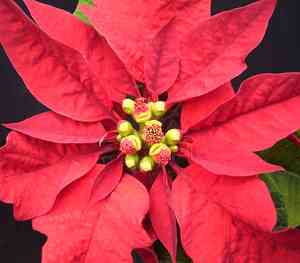
To ensure your peregrina flourishes, relocate it during the peak period of mid to late spring. This timeframe facilitates superior root development. Select a bright spot with soil that drains effectively, and if necessary, amend the soil before the transplant for optimal outcomes.
What Preparations are Needed Before Transplanting Peregrina?
What is the Ideal Time for Transplanting Peregrina?
The optimal period to move peregrina is from mid to late spring, a time when nature is flourishing. Relocating peregrina during this window boosts its survival rate, giving it an advantage in facing the upcoming hot summer months. This is the perfect time for peregrina, ensuring it remains vibrant and strong throughout the year. By adhering to nature's transplanting schedule, you are giving peregrina an excellent start!
How Much Space Should You Leave Between Peregrina Plants?
When relocating peregrina, ensure ample room for growth! For a thriving and healthy plant, aim for a separation of 5-10 ft (1.5-3 m). This guarantees they have sufficient space to develop and won't compete for resources.
What is the Best Soil Mix for Peregrina Transplanting?
Preparing the ideal soil for peregrina is crucial. Choose well-draining soil to prevent root waterlogging. Incorporate organic matter, such as compost, to create a nutrient-rich foundation. To give your plants an added boost, apply a balanced, slow-release fertilizer at the time of planting.
Where Should You Relocate Your Peregrina?
For optimal development, find a garden spot where peregrina can receive full sunlight for at least 6 hours daily. If not possible, partial sunlight will suffice. Just ensure the chosen area offers some protection from strong winds.
What Equipments Should You Prepare Before Transplantation Peregrina?
Gardening Gloves
To safeguard your hands while handling soil and peregrina.
Shovel or Spade
For digging the transplanting hole and carefully extracting the plant from its original spot.
Watering Can or Hose
To hydrate the plant before, during, and after relocation.
Organic Compost
To supply nutrients to the plant during the transplanting process. This aids peregrina in quickly adapting to its new location.
Mulch
It helps maintain soil moisture and deters certain pests.
Wheelbarrow or Heavy-duty Cart
For transporting larger plants without causing damage.
How Do You Remove Peregrina from the Soil?
How Do You Remove Peregrina from the Soil?
From Ground: First, moisten the peregrina plant to dampen the soil, which facilitates removal without harming its roots. Then, using a shovel or spade, dig a wide circle around the plant, being careful to stay several inches from the base to avoid damaging the root ball. Gently work the spade beneath the root ball to lift the plant from its initial position.From Pot: If the plant is in a container, check for root-bound conditions (roots filling the entire pot). If so, gently squeeze the pot's sides to loosen the root ball. If the plant still doesn't come out, invert the pot while holding your hand over the soil, allowing the plant to drop into your hand.From Seedling Tray: Dampen the soil before carefully extracting the peregrina plant to prevent any damage. Then, using a spoon or small tool, gently lift the seedling from the tray by digging around it.
Step-by-Step Guide for Transplanting Peregrina
Preparation of the Transplanting Area
Excavate a hole in the designated area that is twice the width and the same depth as the peregrina plant's root ball. Pour some water into the hole to ensure it is moist.
Placement of the Plant
Position the plant in the center of the hole. Ensure the top of the root ball is level with the ground surface. Backfill around the plant with the excavated soil mixed with organic compost.
Watering
Water thoroughly after planting, ensuring the water reaches the roots to provide essential hydration for peregrina to acclimate to its new environment.
Mulching
Apply a layer of mulch around the plant, leaving some space at the stem, to help retain moisture, suppress weeds, and regulate soil temperature.
Settling In
During the first week post-planting, regularly monitor the plant, providing adequate water and care to ensure it comfortably establishes itself in its new location.
How Do You Care For Peregrina After Transplanting?
Monitoring
Observe the peregrina plant daily for any indications of transplant shock, such as wilting or leaf drop, and adjust conditions as needed.
Watering
Water consistently, but avoid overdoing it. Excessive watering can lead to root rot, which can be fatal for peregrina. Adjust irrigation based on weather conditions, watering less during rainy periods and more during dry spells.
Pruning
If the peregrina plant experiences minor shock and sheds leaves, do not be concerned. Simply trim these leaves off so the plant can direct its energy towards new growth.
Mulching
Replenish the mulch as necessary to maintain its benefits. However, ensure it does not touch the plant stem to prevent rot issues.
Pest Control
Pay attention to any signs of pests and diseases. Use organic pesticides if required and promptly remove diseased leaves or branches.
Troubleshooting Common Issues with Peregrina Transplantation.
When is the best time to transplant peregrina?
The most opportune time to relocate peregrina is from the middle to the end of the spring season.
What is the ideal spacing for planting peregrina?
A separation of 5-10 feet (1.5-3 meters) between each peregrina is advised to allow ample room for development.
Why are my peregrina leaves turning yellow after transplanting?
This could be due to transplant shock or excessive watering. Ensure consistent moisture without overwatering, and allow time for recovery.
My transplanted peregrina is wilting, what should I do?
Wilting may indicate water stress or insufficient sunlight. Adjust the watering frequency, and if necessary, move the plant to a sunnier spot.
What type of soil does peregrina prefer for transplanting?
Peregrina thrives in well-drained soil, ideally sandy or loamy. It tolerates alkalinity well but avoids waterlogged or clay-based soil.
How can I ensure successful rooting in my transplanted peregrina?
For peregrina, consistent watering and abundant indirect light can promote successful rooting. Also, ensure well-drained soil to prevent root rot.
Should I prune my peregrina after transplanting?
Yes, you should trim back approximately 1/3 of the plant's total height to reduce stress and help it focus on root establishment.
Why are there no bloom in my transplanted peregrina?
A lack of blooms in peregrina might be due to inadequate sunlight or nutrient deficiency. Ensure it receives enough sun and consider using a balanced fertilizer.
How deep should I plant the peregrina when transplanting?
Plant peregrina deep enough so that the top of the root ball is level with the soil surface. Avoid burying the stems.
When should I start watering my transplanted peregrina?
Water peregrina immediately after transplanting to help settle the soil and eliminate air pockets. Continue to water consistently according to the plant's requirements.



