How to Transplant Arabian jasmine?
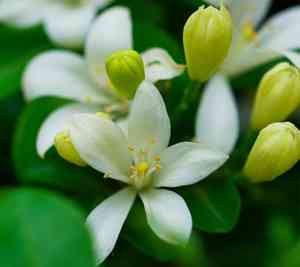
For successful relocation of arabian jasmine, select the period from early to late spring, or late autumn to late winter, as these periods are perfect for robust root development. Guarantee a bright, adequately draining spot and think about incorporating compost to fortify the soil for more vigorous development.
What Preparations are Necessary Before Relocating Arabian Jasmine?
What is the Optimal Period for Relocating Arabian Jasmine?
For arabian jasmine, the beginning to end of spring or the peak of fall to the close of winter is ideal for relocation. This allows arabian jasmine ample time to establish its root system before the summer heat or winter cold arrives. Transplanting during these periods ensures a healthier, more vigorous plant, ready to flourish in the upcoming season. The process is straightforward and gratifying; you're not just planting, you're fostering life.
How Much Space Should You Provide Between Arabian Jasmine Plants?
When relocating arabian jasmine, ensure they are spaced approximately 18-24 inches (45-60 cm) apart. This will provide your plants with sufficient room to develop and thrive without becoming overcrowded.
What is the Best Soil Mixture for Arabian Jasmine Relocation?
For thriving arabian jasmine, utilize well-draining, fertile soil with a slightly acidic pH ranging from 6.0 to 7.0. Incorporate some organic material, such as compost, and a slow-release fertilizer to supply essential nutrients to your plants.
Where Should You Move Your Arabian Jasmine?
Select a site for your arabian jasmine that receives full sun to partial shade, ideally offering 6-8 hours of daily sunlight. This will guarantee your plants have the appropriate environment to grow effectively and produce an abundance of fragrant blooms.
What Equipment Should You Prepare Before Relocating Arabian Jasmine?
Gardening Gloves
To safeguard your hands from abrasions when handling soil and plants.
Shovel
This tool will assist in excavating holes for relocating the arabian jasmine.
Pruning Shears
Pruning shears are required to remove any dead or damaged foliage.
Watering Can
It will be used for hydrating the arabian jasmine after relocation.
Mulch
Mulch aids in preserving soil moisture.
Trowel
Smaller than a shovel, perfect for creating a hole of optimal depth for the arabian jasmine's roots.
Gardening Fork
It helps in loosening the soil prior to relocation.
Wheelbarrow
To transport the arabian jasmine from its original spot to the new one, if it's in the ground.
How Do You Extract Arabian Jasmine from the Soil?
How Do You Extract Arabian Jasmine from the Soil?
From Ground: Begin by watering the arabian jasmine plant early in the morning to moisten the soil. This facilitates easier removal from the ground. Use a shovel or gardening fork to dig around the plant, about 12 inches from its base, in a circular motion. Ensure you dig deep enough to fully encompass the root system. From Pot: Water the potted arabian jasmine thoroughly until water drains from the bottom. Tilt the pot sideways, grasp the base of the plant, and gently pull. If the plant is deeply rooted and doesn't move, you may need to tap the sides of the pot to loosen it. From Seedling Tray: Water the seedlings well. Use your fingers or a spoon to carefully coax the arabian jasmine seedling out, making sure to include the delicate roots. Be cautious not to harm the seedling during this process.
Step-by-Step Guide for Relocating Arabian Jasmine
Site Preparation
Clear the area where you intend to relocate the arabian jasmine. Remove any weeds or debris.
Hole Preparation
Using the shovel, dig a hole that is twice as wide and as deep as the arabian jasmine's root ball. Be sure to loosen the soil at the bottom of the hole using a trowel or fork.
Relocation
Position the arabian jasmine in the center of the hole. The top of the root ball should be level with the soil surface. Backfill the hole, ensuring there are no air pockets.
Watering
Immediately after relocating, water thoroughly. Ensure the water penetrates deeply, hydrating the arabian jasmine's roots.
Mulching
Apply mulch around the base of the arabian jasmine, which helps in retaining moisture and deterring weeds.
How Do You Care For Arabian Jasmine After Relocation?
Watering
Ensure consistent watering during the initial weeks following relocation. Adjust frequency based on weather conditions; more water will be needed in hot and dry periods.
Pruning
Prune as necessary to maintain the arabian jasmine's shape. Also, trim off any diseased or pest-infested leaves.
Protection
Depending on your climate, you might need to shield the arabian jasmine from frost or intense heat during the first few weeks after relocation.
Pests
Monitor for any pests or diseases. If observed, treat the arabian jasmine promptly and appropriately.
Troubleshooting Common Issues with Arabian Jasmine Relocation.
When is the best time to relocate arabian jasmine?
The ideal periods for relocating arabian jasmine are early to late spring (approximately March to May) and late fall to late winter (around November to February).
How much distance should I maintain between arabian jasmine plants during relocation?
Ensure a comfortable spacing of about 18-24 inches (45-60 cm) between each arabian jasmine during relocation, providing them ample room to grow and flourish.
What type of soil is suitable for arabian jasmine during relocation?
Arabian jasmine prefers well-draining soil rich in organic matter. To improve drainage, consider adding perlite or sand to the existing soil during relocation.
What is the ideal depth to plant arabian jasmine during relocation?
When relocating arabian jasmine, the root ball should be planted at the same depth it was in its original container. Planting too deeply can lead to root rot.
How frequently should I water arabian jasmine after relocation?
After relocating arabian jasmine, water it thoroughly, then aim to keep the soil consistently moist. However, avoid waterlogging the soil, which can cause root rot.
Does arabian jasmine require any special care after relocation?
Arabian jasmine benefits from a light application of balanced fertilizer after relocation. It's also advisable to keep it in partial shade for the first few days post-relocation.
How should the root ball of arabian jasmine be handled during relocation?
Handle arabian jasmine's root ball gently during relocation. Try to maintain its shape and avoid breaking the roots; this will aid in better establishment post-relocation.
How can I ensure arabian jasmine's survival during the relocation process?
Ensure suitable temperatures, protect it from strong winds, and provide adequate water. Be sure to relocate arabian jasmine during the recommended seasons to maximize its survival.
How long will arabian jasmine take to establish after relocation?
Typically, arabian jasmine takes about a month or so to establish after relocation. Be patient and provide good care; every plant takes its own time to adjust.
What signs should I look for to check if arabian jasmine is healthy post-relocation?
Healthy arabian jasmine will display fresh green leaves and steady growth in size. If you notice wilted leaves or stunted growth, check for overwatering or root damage.



