How to Transplant Pink jasmine?
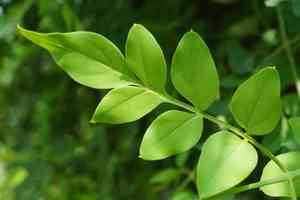
Relocating pink jasmine, a resilient perennial, flourishes optimally when undertaken in the balmy period from mid-summer through late summer. Select a location offering partial to complete sun exposure, guaranteeing adequate water runoff. To ensure a successful transfer, handle the root structure with care. Enjoy your transplanting endeavor!
Essential Preparations Before Relocating Pink Jasmine
Optimal Period for Relocating Pink Jasmine?
The best time to move pink jasmine is from mid-summer to late summer. During this phase, the plant is actively growing, promoting quicker and stronger root development. Transplanting then boosts survival rates and maximizes next season's bloom potential. Careful preparation ensures successful relocation. This is the ideal moment to give pink jasmine a new home!
Recommended Spacing Between Pink Jasmine Plants?
For a flourishing pink jasmine garden, ensure approximately 8-12 inches (20-30 cm) of space between each plant during relocation. This provides ample room for growth and proper air circulation.
Best Soil Blend for Pink Jasmine Relocation?
To prepare the soil for pink jasmine, combine well-drained loam or sandy loam with a slow-release, balanced fertilizer. This creates a healthy growing environment for your beautiful perennials!
Where to Replant Your Pink Jasmine?
Select a spot for pink jasmine that receives full sun or partial shade, as this plant thrives with balanced sunlight. Choose a location with at least 4-6 hours of daily sun exposure to keep them content.
Equipment Needed Before Relocating Pink Jasmine?
Garden Spade
Perfect for digging around the pink jasmine's root ball to extract it without damage.
Gardening Gloves
To safeguard your hands while handling soil and the plant.
Gardening Trowel
For excavating the new hole where the pink jasmine will be placed.
Watering Can
Crucial for hydrating the roots before and after relocation.
Mulch
To help the soil retain moisture and inhibit weed growth post-relocation.
Bucket or Garden Cart
Useful for moving the pink jasmine from its original spot to the new site.
How to Extract Pink Jasmine from the Soil?
How to Extract Pink Jasmine from the Soil?
From Ground: Begin by watering the pink jasmine to moisten the soil. Then, carefully dig a wide trench around the plant using a garden spade, ensuring the root ball remains intact. Take your time! Gently work the spade under the root ball to lift the plant from its initial position.From Pot: First, invert the pot and gently tap it to loosen the plant. Hold the pink jasmine at the base of its stem and carefully pull it out, avoiding disturbance to the root ball.From Seedling Tray: Use a gardening trowel to carefully separate the pink jasmine seedlings. Lift the seedling by its leaves, not the stem, to prevent damage, and gently remove it from the tray.
Step-by-Step Guide for Relocating Pink Jasmine
Excavating a New Hole
It should be twice as wide and equally deep as the pink jasmine's root ball. This facilitates root spread and establishment in its new position.
Preparing the Plant
Thoroughly soak the pink jasmine by submerging its root ball in a bucket of water just before planting.
Positioning the Plant
Place the pink jasmine in the center of the hole, ensuring it stands upright.
Backfilling the Hole
Refill the hole with the excavated soil, gently firming it around the base of the pink jasmine.
Watering
Water the pink jasmine thoroughly immediately after planting; this helps settle the soil around the roots.
Post-Relocation Care for Pink Jasmine
Appropriate Watering
For the initial weeks, ensure the soil around the pink jasmine is consistently damp but not waterlogged. This is vital for new root establishment.
Mulching
Apply a layer of organic mulch (such as compost or bark) around the pink jasmine, but not touching the stem, to retain moisture and suppress weeds.
Pruning
Lightly prune the pink jasmine after planting to encourage bushier growth. Be sure to remove any dead or dying branches.
Monitoring
Observe the pink jasmine for signs of stress, including wilting or yellowing leaves, and address issues promptly.
Resolving Common Issues with Pink Jasmine Relocation.
When is the ideal time to relocate pink jasmine?
The perfect time to move pink jasmine is during mid-summer to late summer. This is when the plant is most ready for relocation.
How much space should I leave between pink jasmine plants during relocation?
Ensure a space of approximately 8-12 inches (20-30 cm) between each pink jasmine during relocation. Adequate spacing supports their healthy development.
My pink jasmine appears wilted after relocation. What might be the cause?
If your pink jasmine looks droopy post-relocation, it's likely under stress. Ensure it's not exposed to extreme cold or hot temperatures. Maintain it in a suitable environment.
Why are the leaves of my relocated pink jasmine turning yellow?
Yellowing leaves on a pink jasmine after relocation can indicate overwatering or nutrient deficiency. Adjust your watering schedule and consider adding a nutrient-rich plant food.
How deep should I plant pink jasmine during relocation?
Dig a hole that is twice the width and height of the pink jasmine's root ball. The top of the root ball should be level with the soil surface.
What type of soil is best for relocating pink jasmine?
Pink jasmine prefers well-drained soil. Use a mixture of garden soil and organic compost for improved growth outcomes after relocation.
Should I water pink jasmine immediately after relocating?
Yes, you should water your pink jasmine thoroughly after relocation. This helps eliminate air pockets and promotes root growth.
How to care for pink jasmine after relocating?
Post-relocation, place pink jasmine in a spot with filtered sunlight and ensure proper watering. Protect it from drastic temperature changes to alleviate relocation stress.
Is it normal for pink jasmine to grow slowly after relocating?
Yes, it's normal for pink jasmine to exhibit slow growth after relocating, as it may be focusing energy on establishing roots. Patience will see it thrive.
Why are my pink jasmine's leaf edges brown post-relocation?
Brown leaf edges may suggest over-fertilization or insufficient watering. Adjust fertilizer use and watering plans appropriately. Also, ensure pink jasmine isn't exposed to wind or temperature extremes.



