How to Transplant Blue jacaranda?
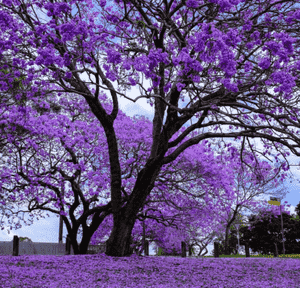
To achieve optimal results with blue jacaranda, it is crucial to relocate it during the ideal period of early to mid-spring. This specific timeframe enables the plant's root system to establish itself without stress and acclimate to its new surroundings. Select a site that receives ample sunlight and possesses soil with good drainage, and consistently exercise caution when handling the root ball to prevent harm. Enjoy your transplanting!
What Preparations are Needed Before Transplanting Blue Jacaranda?
What is the Ideal Time for Transplanting Blue Jacaranda?
The best season for relocating blue jacaranda is the revitalizing period from early to mid-spring. This timeframe ensures blue jacaranda adapts well and encourages robust development. Moving it during these initial awakening months of the year offers a flourishing environment, benefiting from balanced temperatures and rainfall.
How Much Space Should You Leave Between Blue Jacaranda Plants?
When moving blue jacaranda, it's crucial to provide ample room for their development. Position your plants approximately 30-40 ft (9-12 m) apart to guarantee they have the necessary space.
What is the Best Soil Mix for Blue Jacaranda Transplanting?
For blue jacaranda, prepare well-draining soil using a loamy texture combined with some organic compost. A slow-release, granular fertilizer with balanced nutrients can also be incorporated to stimulate initial growth.
Where Should You Relocate Your Blue Jacaranda?
Select a site that receives full to partial sunlight for blue jacaranda to flourish. These plants prefer 6 or more hours of direct sunlight daily; providing a sunny location will ensure a healthy specimen.
What Equipments Should You Prepare Before Transplantation Blue Jacaranda?
Gardening Gloves
To safeguard your hands while handling the soil and blue jacaranda plant.
Shovel or Spade
For excavating holes and trenches, and for extracting the plant from its original spot.
Pruning Shears
For trimming and cutting any damaged or superfluous roots and branches.
Gardening Trowel
To facilitate digging a hole for relocating the blue jacaranda plant.
Garden Hose or Watering Can
For hydrating the plant before and after its relocation.
Organic Compost or Fertilizer
To enhance the soil quality around the blue jacaranda plant and supply vital nutrients for its growth.
Mulch
To aid in moisture retention and inhibit weed proliferation around the relocated blue jacaranda plant.
How Do You Remove Blue Jacaranda from the Soil?
How Do You Remove Blue Jacaranda from the Soil?
From Ground: First, moisten the blue jacaranda plant's soil. Then, excavate a wide trench around the plant using a shovel or spade, ensuring the plant's root ball remains intact. Carefully work the spade beneath the root ball to lift the plant from its initial position.From Pot: Thoroughly water the blue jacaranda plant, allowing excess water to drain. Gently tilt the pot sideways and tap its sides to loosen the soil. Carefully extract the plant from the pot, taking care not to harm the roots.From Seedling Tray: Water the blue jacaranda seedlings before removing them from the tray. Use a gardening trowel or your fingers to gently lift each seedling out of the tray, ensuring you do not damage their roots.
Step-by-Step Guide for Transplanting Blue Jacaranda
Hole Preparation
Excavate a hole that is twice as wide and equal in depth to the blue jacaranda plant's root ball. Ensure the hole is sufficiently large to accommodate future root expansion.
Soil Preparation
Incorporate some organic compost or fertilizer into the soil removed from the hole. This will furnish the necessary nutrients to help the blue jacaranda plant establish robust roots.
Placement
Gently position the blue jacaranda plant into the hole, making sure the top of the root ball is level with the ground. Be cautious not to bury the plant too deeply, as this can lead to root rot.
Filling
Gradually backfill the hole with the amended soil, ensuring it surrounds the root ball without air pockets. Gently firm the soil around the roots to secure the plant in place.
Watering
Thoroughly water the blue jacaranda plant, but avoid over-watering, as this can cause root rot. Ensure the soil is settled and the plant is stable before proceeding.
Mulching
Apply a layer of mulch around the base of the blue jacaranda plant. This helps to retain moisture, regulate temperatures, and prevent weed growth.
How Do You Care For Blue Jacaranda After Transplanting?
Watering
For the initial few weeks, keep the soil around the blue jacaranda consistently damp, but not waterlogged, to help the plant develop strong roots.
Pruning
Trim any dead, damaged, or diseased branches to encourage healthy growth and prevent the spread of illness.
Fertilizing
Apply a balanced slow-release fertilizer to the blue jacaranda plant once or twice annually, following the product instructions.
Pest Control
Monitor for common pests that may infest blue jacaranda plants, and treat them as needed with appropriate insecticides or organic solutions.
Monitoring Growth
Regularly inspect the blue jacaranda plant for any indications of stress or disease, and address any issues promptly to ensure the plant's health and vitality.
Troubleshooting Common Issues with Blue Jacaranda Transplantation.
When is the best time to transplant blue jacaranda?
The optimal period to relocate blue jacaranda is during early to mid-spring, when conditions are favorable for new development.
What distance should I maintain between the blue jacaranda plants?
Maintaining a separation of 30-40 feet (9-12 meters) between each blue jacaranda is crucial for their expansion and growth.
What's the ideal depth for planting blue jacaranda?
Ensure you dig a hole that is twice as wide and as deep as the root ball for blue jacaranda. This allows the roots to breathe and spread comfortably.
How to prepare the soil for transplanting blue jacaranda?
Enrich the soil with organic compost to boost nutrient levels. Additionally, ensure the soil has good drainage as blue jacaranda doesn't prefer waterlogged conditions.
What should I do if my transplanted blue jacaranda shows signs of distress?
Ensure you provide sufficient water and sunlight. If the issue persists, examine the soil for pests or disease symptoms, and treat accordingly.
How much water does blue jacaranda need after transplant?
Blue jacaranda requires thorough watering immediately after transplant. Subsequently, water deeply whenever the top inch of soil feels dry to the touch.
What should be done if the blue jacaranda shows no signs of growth post-transplant?
Be patient. Blue jacaranda may take time to establish itself. Ensure it receives adequate water, sunlight, and nutrients. Consult a plant specialist if there are no improvements.
Should I prune blue jacaranda after transplanting?
Pruning is not necessary immediately after transplanting. Allow blue jacaranda to establish before considering minor pruning to enhance growth and shape.
How to deal with potential pests in blue jacaranda after transplanting?
Inspect regularly for pests. If detected, use an organic insecticidal soap or consult with a local gardening center for advice tailored to your region.
Can I use fertilizer immediately upon transplanting blue jacaranda?
Avoid applying fertilizer right after transplanting. Wait until blue jacaranda begins showing new growth. Then use a slow-release fertilizer to nourish the plant without overwhelming it.



