How to Transplant Ixeris polycephala?
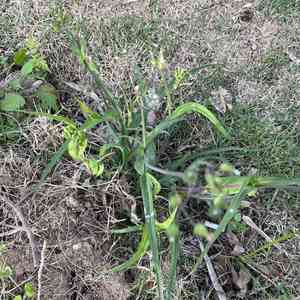
Ixeris polycephala is best relocated from the beginning of spring until its conclusion. Select a location that receives ample sunlight or partial shade and possesses soil that drains effectively. Verify that the new site offers consistent temperatures to ensure a successful transfer.
What Preparations are Needed Before Transplanting Ixeris Polycephala?
What is the Ideal Time for Transplanting Ixeris Polycephala?
The best period for relocating ixeris polycephala is from early to late spring. During this time, the ground warms, encouraging root growth, and the danger of frost has passed, lessening transplant stress. This timing ensures ixeris polycephala develops a strong root system before summer heat, leading to healthier and more robust development. Moving it in this season promotes resilience and boosts the plant's ability to flourish throughout the year.
How Much Space Should You Leave Between Ixeris Polycephala Plants?
When moving ixeris polycephala, ensure a spacing of 12-18 inches (30-45 cm) between them to allow ample room for growth and flourishing. This distance helps prevent competition for nutrients and guarantees sufficient air circulation.
What is the Best Soil Mix for Ixeris Polycephala Transplanting?
Prepare a well-draining soil, rich in organic material, for ixeris polycephala. You can improve the soil by incorporating compost or a balanced base fertilizer. Aim for a loamy soil type to maintain healthy and well-nourished roots.
Where Should You Relocate Your Ixeris Polycephala?
Select a sunny location for transplanting ixeris polycephala, as they flourish in full sunlight. Ensure they receive at least 6 hours of direct sun daily to support vigorous growth and vibrant blossoms.
What Equipments Should You Prepare Before Transplantation Ixeris Polycephala?
Gardening Gloves
To safeguard your hands while handling soil and plants.
Shovel or Spade
For digging around and lifting the plant from its original spot, and to excavate the new planting hole.
Garden Trowel
For smaller, more precise digging tasks.
Watering Can or Hose
To keep the soil moist during and after the relocation process.
Pruners or Scissors
To trim any damaged or excessively long roots if required.
Wheelbarrow or Bucket
To move the plant from its initial position to the new site if necessary.
How Do You Remove Ixeris Polycephala from the Soil?
How Do You Remove Ixeris Polycephala from the Soil?
From Ground: First, hydrate the ixeris polycephala plant to moisten the soil. Next, dig a wide trench around the plant using a shovel or spade, making sure the plant's root ball stays intact. Carefully work the spade beneath the root ball to lift the plant from its original spot.From Pot: Water the ixeris polycephala plant thoroughly. Gently hold the plant by its base and invert the pot. Tap the bottom of the pot to loosen the plant and slide it out, supporting the root ball with your other hand.From Seedling Tray: Water the seedlings well. Gently push up from the tray's bottom to loosen individual seedlings. Hold the seedling by its leaves, not the stem, to prevent damage, and carefully ease it out.
Step-by-Step Guide for Transplanting Ixeris Polycephala
Prepare the New Site
Ensure the new location is ready with a hole twice the root ball's size. The depth should allow the plant to sit at the same level as it was in its previous spot. Loosen the soil at the bottom of the hole to encourage root development.
Amend the Soil
If needed, blend compost or organic material into the excavated soil to boost nutrient content and improve drainage for the ixeris polycephala plant.
Transfer the Plant
Carefully place the ixeris polycephala plant's root ball into the center of the new hole. Ensure it stands upright and at the same soil level. Fill the hole with the removed soil, gently firming it around the root ball to remove air pockets.
Water Thoroughly
Water the ixeris polycephala plant generously immediately after transplanting to help settle the soil around its roots. Ensure the water penetrates deeply into the ground to promote deep rooting.
How Do You Care For Ixeris Polycephala After Transplanting?
Watering
Keep the soil around the ixeris polycephala consistently moist, but not waterlogged, for the initial weeks after transplanting to aid in establishing strong roots.
Mulching
Apply a 2-3 inch layer of mulch around the plant to retain moisture, regulate soil temperature, and suppress weeds.
Monitoring
Regularly inspect the plant for signs of distress such as wilting or yellowing leaves and provide appropriate care like adjusting watering or shielding from extreme weather.
Troubleshooting Common Issues with Ixeris Polycephala Transplantation.
When is the best time to transplant ixeris polycephala?
The optimal period to transplant ixeris polycephala is from early to late spring for superior outcomes.
How much spacing does ixeris polycephala require between plants?
Ixeris polycephala needs to be spaced 12-18 inches (30-45 cm) apart for ideal growth.
What should I do if ixeris polycephala wilts after transplanting?
Ensure ixeris polycephala is adequately watered and consider providing some shade to lessen transplant shock.
How deep should I plant ixeris polycephala seedlings?
Plant ixeris polycephala seedlings at the identical depth they were growing in their containers or trays.
Can I transplant ixeris polycephala on a cloudy day?
Yes, moving ixeris polycephala on an overcast day can reduce transplant shock and improve survival rates.
What type of soil is best for transplanting ixeris polycephala?
Ixeris polycephala thrives in well-draining, fertile soil enriched with organic matter.
How can I prevent pests when transplanting ixeris polycephala?
Employ organic pest control methods and regularly inspect plants to maintain ixeris polycephala health.
Should I fertilize ixeris polycephala after transplanting?
Lightly fertilize ixeris polycephala a few weeks post-transplant to help them establish well.
How often should I water ixeris polycephala after transplanting?
Water ixeris polycephala regularly, keeping the soil consistently moist but not saturated.
Is mulching necessary for transplanted ixeris polycephala?
Mulch around ixeris polycephala can help retain moisture and control weeds, aiding their development.



