How to Transplant Yellow bristle-hair ixeris?
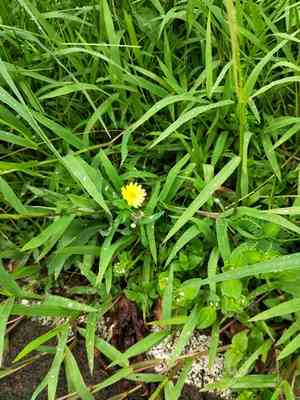
The optimal period for relocating yellow bristle-hair ixeris is during the peak of spring, which guarantees vigorous development. Choose a location with good drainage, abundant in organic material. A helpful suggestion: confirm the substrate is damp, yet not saturated, to accommodate the roots of yellow bristle-hair ixeris.
What Preparations are Needed Before Transplanting Yellow Bristle-hair Ixeris?
What is the Ideal Time for Transplanting Yellow Bristle-hair Ixeris?
The optimal period for relocating yellow bristle-hair ixeris is during the peak of spring, providing mild weather and favorable growth conditions. Moving yellow bristle-hair ixeris in this lively season ensures roots establish well prior to summer. The pleasant days and cool evenings of late spring create an ideal timeframe, encouraging strong root development and reducing transplant shock. Transplanting at this time utilizes nature's cycle, fostering a robust beginning for yellow bristle-hair ixeris's subsequent years.
How Much Space Should You Leave Between Yellow Bristle-hair Ixeris Plants?
To allow your yellow bristle-hair ixeris ample room to develop and flourish, aim to space them approximately 8-12 inches (20-30 cm) apart. This enables their roots to spread comfortably and their foliage to receive sunlight without being overcrowded.
What is the Best Soil Mix for Yellow Bristle-hair Ixeris Transplanting?
For yellow bristle-hair ixeris, a well-draining soil rich in organic matter is perfect. Before transplanting, incorporate compost or a balanced, slow-release fertilizer to give your plants the best start. Target a pH of about 6.5, which is slightly acidic.
Where Should You Relocate Your Yellow Bristle-hair Ixeris?
Select a location in your garden where your yellow bristle-hair ixeris will receive full to partial sunlight â meaning roughly 6-8 hours of direct sun daily. A bit of afternoon shade would be beneficial, especially in warmer climates, to keep them healthy and vibrant.
What Equipments Should You Prepare Before Transplantation Yellow Bristle-hair Ixeris?
Gardening Gloves
To safeguard your hands while handling soil and plants.
Shovel or Spade
For digging around and lifting the plant.
Gardening Trowel
Useful for smaller digging tasks and moving smaller specimens.
Watering Can or Garden Hose
To hydrate the plant before and after relocation.
Pruners or Sharp Knife
For trimming any damaged roots or leaves.
Wheelbarrow or Garden Cart
To transport the plant and soil.
Rooting Hormone (optional)
To stimulate root development in the new spot.
Mulch
To help maintain soil moisture and regulate temperature after transplant.
How Do You Remove Yellow Bristle-hair Ixeris from the Soil?
How Do You Remove Yellow Bristle-hair Ixeris from the Soil?
From Ground: Water the yellow bristle-hair ixeris to moisten the soil. Dig a wide trench around the plant using a shovel, being careful not to harm the root ball. Slide the spade beneath the root ball to gently lift the plant.From Pot: Thoroughly water the yellow bristle-hair ixeris in its container. Tilt the pot and gently tap its sides to loosen the soil. Carefully remove the plant while supporting the root ball.From Seedling Tray: Moisten the soil in the seedling tray. Use a gardening trowel to gently extract the yellow bristle-hair ixeris seedling, taking care not to damage the delicate roots.
Step-by-Step Guide for Transplanting Yellow Bristle-hair Ixeris
Preparation
Confirm the transplanting date based on the yellow bristle-hair ixeris's dormant or active growth phase for optimal results.
Digging New Hole
Excavate a hole in the ground twice the width of the yellow bristle-hair ixeris's root ball and of equal depth, allowing roots to spread easily.
Root Inspection
Examine the root ball for any damaged or diseased roots and use pruners to trim if necessary.
Planting
Position the yellow bristle-hair ixeris in the center of the new hole, ensuring it is level with the ground. Backfill the hole with the excavated soil, gently firming to eliminate air pockets.
Stabilization
Stake the plant if it is large or in a windy location for additional support while roots establish.
Final Watering
Water the yellow bristle-hair ixeris generously to settle the soil and hydrate the roots. Continue to provide water as needed, depending on weather and soil conditions.
How Do You Care For Yellow Bristle-hair Ixeris After Transplanting?
Monitoring
Keep a close watch on the yellow bristle-hair ixeris's health, looking for signs of transplant shock such as wilting or discolored leaves.
Mulching
Apply mulch around the base of yellow bristle-hair ixeris to conserve moisture, suppress weeds, and provide temperature insulation.
Supporting
Adjust stakes and ties if used, ensuring they are secure but not too tight, to prevent damage to the developing plant.
Pruning
Trim any damaged or diseased foliage to encourage healthy growth and to shape the yellow bristle-hair ixeris as desired.
Pest and Disease Management
Monitor for pests or signs of disease and take action as needed, using appropriate pest control methods.
Troubleshooting Common Issues with Yellow Bristle-hair Ixeris Transplantation.
What's the best time of year to transplant yellow bristle-hair ixeris?
The ideal transplanting window for yellow bristle-hair ixeris is from mid to late spring, when soil warms up.
How far apart should I space yellow bristle-hair ixeris during transplanting?
Space yellow bristle-hair ixeris 8-12 inches (20-30 cm) apart to ensure adequate room for growth.
Why are my transplanted yellow bristle-hair ixeris plants wilting?
Wilting can occur from shock. Minimize root disturbance and keep them well-watered after transplanting.
What soil conditions favor successful yellow bristle-hair ixeris transplanting?
Well-draining soil rich in organic matter is best to support yellow bristle-hair ixeris's root system.
How do I prepare yellow bristle-hair ixeris for transplanting?
Water yellow bristle-hair ixeris thoroughly a day before, ease them out gently, and keep the root ball intact.
Can yellow bristle-hair ixeris be transplanted during hot weather?
It's not advisable; high temperatures can cause stress. Stick to cooler, spring weather for best results.
What are signs of proper yellow bristle-hair ixeris transplant success?
Look for new growth and stability in the soil as indicators of a successful transplant.
How deep should I plant yellow bristle-hair ixeris when transplanting?
Plant yellow bristle-hair ixeris at the same depth it was in the previous pot or ground.
How much should I water yellow bristle-hair ixeris after transplanting?
Water generously right after transplanting, then maintain consistent moisture without overwatering.
When will yellow bristle-hair ixeris need transplanting again?
With proper care, yellow bristle-hair ixeris may only need division or replanting every few years to rejuvenate.



