How to Transplant Toughleaf iris?
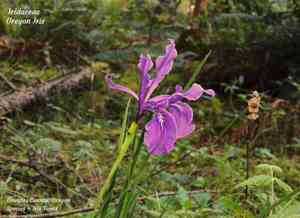
The ideal period for relocating toughleaf iris is as new development commences in the spring, which aids in root development. Select a location receiving partial sun, and if necessary, enrich the soil to achieve proper hydration. Careful handling during transplantation guarantees the toughleaf iris's beauty flourishes.
Essential Preparations Before Relocating Toughleaf Iris
Optimal Period for Toughleaf Iris Relocation?
Initiate the relocation of toughleaf iris during the peak of spring, a season characterized by revitalization and robust development. This timing facilitates root establishment prior to the summer heat. Opting for this period for toughleaf iris's new beginning ensures it benefits from extended daylight and mild temperatures, crucial for healthy root growth. The outcome is a resilient toughleaf iris, prepared to thrive in its new environment, supported by springtime's gentle climate.
Required Spacing Between Toughleaf Iris Specimens?
When moving toughleaf iris, aim for a separation of approximately 1-2 feet (30-60 cm). This provides ample room for growth without nutrient competition. Remember, every plant deserves sufficient personal space!
Ideal Soil Blend for Toughleaf Iris Relocation?
For toughleaf iris, well-draining soil is paramount! Before planting, enrich the soil with a general-purpose garden fertilizer. This setup will nourish your plant, promoting strong and healthy development.
Recommended New Location for Your Toughleaf Iris?
Select a site that receives full sun to partial shade for toughleaf iris. These plants appreciate a good balance of sun and shade, and choosing the correct spot can significantly aid their prosperity!
Equipment Needed Before Toughleaf Iris Transplantation
Gardening Gloves
These will safeguard your hands while handling soil and plants.
Spade or Shovel
This tool will be used to excavate the plant from its original spot and prepare the new planting site.
Wheelbarrow or Large Container
Necessary for moving the plant from its initial location to the new area.
Trowel
Useful for more precise digging and planting tasks.
Bucket of Water
To maintain root moisture during the transplanting process.
Garden Hose or Watering Can
For hydrating the plant before and after the transplant.
Garden Pruner
To trim any damaged roots or foliage.
Method for Extracting Toughleaf Iris from the Ground
Method for Extracting Toughleaf Iris from the Ground?
From Ground: First, hydrate the toughleaf iris plant to moisten the soil. Dig around the plant using a shovel or spade, ensuring the root ball remains intact. Carefully work the spade beneath the root ball to lift the plant from its position. If the plant is large and heavy, you might need assistance.From Pot: Thoroughly water the potted toughleaf iris plant, allowing it to sit for several hours. Invert the pot while securing the plant at the base with your hand. Gently tap the pot's base to release the plant.From Seedling Tray: Water the toughleaf iris seedlings to loosen the soil. Using a small trowel or your fingers, carefully lift the seedlings from the tray, ensuring as much of the root ball as possible remains intact. Handle the seedlings by their leaves, not their stems.
Detailed Guide for Transplanting Toughleaf Iris
Preparation
Ensure the new planting hole is prepared before you begin removing the toughleaf iris from its current spot. The hole should be twice the width and the same depth as the root ball.
Removal
Follow the instructions for the 'removal process' based on your specific situation. Try to retain as much of the original soil with the roots as possible.
Transplanting
Position the toughleaf iris in the new hole. The top of the root ball should be level with the ground surface. Backfill the hole with original soil, firmly compacting it around the root ball.
Watering
Thoroughly water the toughleaf iris after transplanting to settle the soil around the roots. Avoid saturating the plant, as this can lead to root rot.
Post-Transplantation Care for Toughleaf Iris
Watering Schedule
Water the toughleaf iris consistently, ensuring the soil stays moist but not waterlogged. It's quite drought-tolerant once established but prefers regular hydration.
Pruning
Remove any yellow or wilting leaves to encourage new growth.
Pest Inspection
Monitor the toughleaf iris for indications of pests or diseases. If anything unusual is observed, identify it promptly and treat accordingly.
Mulching
Applying a layer of mulch around the toughleaf iris can help retain moisture and suppress weeds.
Resolving Common Issues with Toughleaf Iris Transplantation.
When is the best time to move toughleaf iris?
The optimal period to transplant toughleaf iris is during S1-S2, when the plant's growth slows, allowing it to better withstand the relocation.
What distance should I maintain between toughleaf iris plants?
Maintaining a separation of 1-2 feet (30-60 cm) when planting toughleaf iris will ensure they have adequate space to grow and flourish.
How deep should I plant toughleaf iris in the ground?
Transplant toughleaf iris to the same depth it was previously growing to prevent root exposure.
My toughleaf iris appears wilted after transplantation. What should I do?
It's normal for toughleaf iris to look a bit distressed after transplantation. Consistent watering and partially shaded conditions should aid recovery. If it persists, consider checking for pests or disease.
Why are the leaves of my transplanted toughleaf iris turning yellow?
This could indicate overwatering or a nutrient deficiency. Reduce the amount of water and assess the soil's nutrient content.
How do I prepare the soil before planting toughleaf iris?
Before planting toughleaf iris, amend the soil by incorporating organic matter or compost to enrich it, leading to healthier and happier plants.
I just transplanted toughleaf iris and it's started to droop. Why is that?
Transplant shock could be a factor. Regular watering, mulching around the base, and avoiding direct sunlight can help toughleaf iris recover more quickly.
Can I transplant toughleaf iris in containers?
Yes, toughleaf iris can be transplanted into containers. Ensure the container has adequate drainage to prevent waterlogged roots.
How much water does toughleaf iris need after being transplanted?
Post-transplantation, water toughleaf iris thoroughly and then keep the soil slightly moist. Avoid excessive watering as it can lead to root rot.
Does toughleaf iris need direct sunlight after transplantation?
Actually, toughleaf iris prefers partial shade to full sunlight. After transplantation, especially, it might require some time in a less sunny spot before adapting to direct sunlight.



