How to Transplant Blue iris?
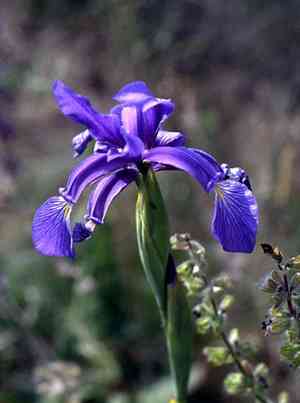
For Iris germanica, the early spring period, when growth commences, is ideal for relocation, facilitating strong root development. Choose a location that receives ample sunlight to partial shade and possesses good drainage for peak vitality. Careful handling is crucial to safeguard fragile root structures.
What Preparations are Needed Before Transplanting Blue Iris?
What is the Ideal Time for Transplanting Blue Iris?
The optimal period for relocating blue iris is at the onset of spring or as the season progresses. This timeframe encourages strong root development before summer's warmth. The cooler, moist soil of spring aids blue iris's smooth transition, ensuring vibrant blooms and vigorous growth. A friendly reminder: This timing proactively prepares blue iris to flourish and shine in your garden!
How Much Space Should You Leave Between Blue Iris Plants?
When arranging blue iris for transplanting, aim for approximately 1-2 feet (30.5-61 cm) of separation between each plant. This provides ample room for healthy development while still creating a dense and attractive display.
What is the Best Soil Mix for Blue Iris Transplanting?
Prepare your soil with a balanced garden blend, enriched with compost and a slow-release granular 10-10-10 fertilizer. This will establish the foundation for blue iris to thrive.
Where Should You Relocate Your Blue Iris?
Find a spot with full sun to partial shade exposure for your blue iris, as these plants love sunlight. Ensure the chosen area receives at least six hours of direct sunlight daily for optimal results.
What Equipments Should You Prepare Before Transplantation Blue Iris?
Gardening Trowel
For excavating the plant from its current spot and creating a suitably sized hole at the new location.
Gardening Gloves
To safeguard your hands while handling soil and the plant.
Watering Can
For hydrating the plant both prior to and following transplantation.
Garden Shears
In case some roots require trimming during the transplanting process.
Wheelbarrow or Garden Cart
Useful for moving the plant, especially if it's large, from its original position to its new one.
How Do You Remove Blue Iris from the Soil?
How Do You Remove Blue Iris from the Soil?
From Ground: Start by watering the blue iris to moisten the soil. This facilitates easier removal without root damage. Use a trowel to dig a wide circle around the plant, ensuring the plant's root ball stays intact. Carefully work the trowel beneath the root ball to lift the plant from its initial spot.From Pot: Water the blue iris plant thoroughly to make the roots flexible and simpler to extract. Tilt the pot sideways and gently ease the plant out, making sure to support the root ball to prevent it from breaking apart. If the plant is stuck, you can tap the bottom of the pot to loosen it.From Seedling Tray: Water the seedling tray, then carefully lift the blue iris plant by its leaves, never by the stem or roots. Use a dibber or a small stick to push up the soil and roots from underneath.
Step-by-Step Guide for Transplanting Blue Iris
Preparation
Water the blue iris before you begin transplanting; this will lessen transplant shock. Prepare the new site by digging a hole twice as wide and just as deep as the root ball.
Transplanting
Carefully place the blue iris in the hole, ensuring it's at the same level it was growing at in its original spot. Backfill the hole with soil, gently firming it around the plant's base.
Watering
Water the plant generously after transplanting, making sure the surrounding soil is thoroughly saturated.
How Do You Care For Blue Iris After Transplanting?
Watering
Ensure the soil remains moist, particularly for the initial weeks post-transplant, to guarantee the blue iris establishes itself well.
Pruning
If you discover any damaged roots during transplantation, trim them back using sharp garden shears. This will encourage the growth of new, healthy roots.
Monitoring
Keep a close watch on your newly transplanted blue iris, regularly checking for any signs of distress such as wilting or yellowing leaves. If you notice any of these indicators, it could signal transplant shock, for which you might consider seeking advice from a local nursery or garden center.
Troubleshooting Common Issues with Blue Iris Transplantation.
When is the optimal time to transplant blue iris?
Transplant blue iris during late winter to early spring. This corresponds to the S1-S2 season, when temperatures are moderate, which promotes growth.
How much space should I leave between each blue iris during transplantation?
It's best to allow a gap of 1-2 feet (30-60 cm) between each blue iris. This spacing supports proper growth and prevents overcrowding.
Should I replant blue iris into the soil directly or in a pot first?
Blue iris is a robust plant that can be planted directly into garden soil. Ensure the soil is well-draining and rich in organic matter for improved growth.
Do I need to water blue iris immediately after transplanting?
Yes, you should water blue iris immediately after transplanting. This helps settle the soil around the roots, reducing transplant shock and promoting better root establishment.
Should I change the soil to transplant my blue iris?
While not essential, using fresh, well-draining soil rich in compost can significantly enhance the growth and development of blue iris after transplanting.
Why are my transplanted blue iris leaves turning yellow?
Yellow leaves may indicate overwatering or poor drainage. However, a small amount of yellowing is normal after transplanting as the plant adjusts to its new environment.
What is the appropriate depth to plant blue iris?
You should plant blue iris so that the top of the root ball is level with or slightly below the soil surface. This is typically about 10 inches (25 cm).
How do I prepare the transplant site for blue iris?
Loosen the soil and mix in compost or well-rotted manure into the top 10 inches (25 cm). This enriches the soil and provides your blue iris the best start.
What should I do if the transplanted blue iris doesn't show signs of growth?
If blue iris doesn't show signs of growth, check the soil pH, water levels, and sunlight. Adjust these factors as needed, and consider a balanced fertilizer.
Can I trim the roots of blue iris prior to transplanting?
Trimming isn't usually required for blue iris. However, if the roots are excessively long or damaged, you can trim them back using a clean, sharp pruning tool.



