How to Transplant Yellow flag?
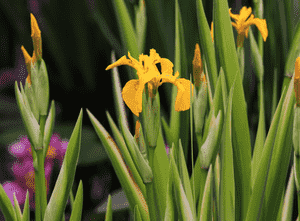
Relocating yellow flag is most effectively carried out in the warmer period after late spring, enabling the plant to develop robust root systems. Select a bright, adequately draining spot for peak proliferation. During the transplanting process, guarantee appropriate soil conditioning and adequate distance between plants to foster vigorous advancement.
Preparations Required Before Relocating Yellow Flag
Optimal Period for Relocating Yellow Flag?
The most suitable time to move yellow flag is in late spring. This timing is preferred as it offers yellow flag the perfect conditions for development. Transplanting yellow flag at this point ensures the plant has ample opportunity to establish its root system before summer's intense heat, thus promoting better growth. By choosing the right moment, you provide your yellow flag with the best chance to reach its full potential. Remember, precise timing is crucial for a successful relocation and will guarantee your yellow flag flourishes beautifully.
Recommended Spacing Between Yellow Flag Plants?
When relocating yellow flag, ensure adequate growth room by positioning them 12-24 inches (30-60 cm) apart. This guarantees each plant has sufficient area to expand its roots and access necessary nutrients.
Best Soil Blend for Yellow Flag Relocation?
For a successful yellow flag relocation, prepare a soil mixture that drains well and has a loamy texture. Prior to transplanting, enrich the soil with a balanced slow-release fertilizer to supply essential nutrients that aid plant growth.
Ideal Location for Your Yellow Flag?
To ensure yellow flag thrives, select a site with full to partial sun exposure. These plants can endure various light conditions but prefer a spot where they receive at least 4-6 hours of sunlight daily.
Equipment to Prepare Before Relocating Yellow Flag
Gardening Gloves
To safeguard your hands while handling soil and the yellow flag plant.
Shovel or Spade
For digging trenches and extracting the plant from its original spot.
Garden Fork
To loosen the soil in the new planting area.
Watering Can
To hydrate the plant both before and after the move.
Organic Compost or Fertilizer
To supply vital nutrients for robust root development and growth.
Mulch
To retain soil moisture and inhibit weed growth.
Garden Stakes or Supports (optional)
To offer additional stability, especially for large or top-heavy plants.
How to Extract Yellow Flag from the Soil?
How to Extract Yellow Flag from the Soil?
From Ground: First, moisten the yellow flag plant to dampen the soil. Then, excavate a wide trench around the plant using a shovel or spade, ensuring the plant's root ball remains intact. Carefully work the spade beneath the root ball to lift the plant from its initial location.From Pot: Thoroughly water the yellow flag plant to loosen the root ball. Invert the pot and gently tap its edges to release the plant and root ball. If the plant is stuck, use a garden fork to carefully loosen the soil around the edges before attempting removal.From Seedling Tray: Gently use your fingers or a transplanting trowel to lift the yellow flag seedling, taking care to keep the root ball intact. Carefully separate any intertwined roots before transplanting.
Step-by-Step Guide for Relocating Yellow Flag
Site Preparation
Prepare the new planting area by digging a hole approximately twice the width and depth of the yellow flag's root ball. Loosen the soil at the bottom of the hole with a garden fork to enhance drainage.
Compost and Fertilizer
Add a layer of well-rotted organic compost or slow-release granular fertilizer to the bottom of the hole. This will provide nutrients to support strong root development and growth.
Planting
Position the yellow flag root ball into the prepared hole, ensuring the top of the root ball is level with the surrounding soil. Gently backfill the hole with soil, firming it down as you go to eliminate air pockets.
Watering
Water the newly planted yellow flag thoroughly to settle the soil and remove any remaining air pockets. Ensure the soil is uniformly moist, but not waterlogged.
Mulching
Apply a 2-3 inch layer of organic mulch, such as straw or wood chips, around the base of the plant, being careful to avoid contact with the stem. This will help conserve soil moisture and suppress weeds.
Adding Supports (optional)
For taller or top-heavy yellow flag plants, add garden stakes or supports to provide stability as they grow. Attach the stem to the support using soft ties, allowing room for expansion as the plant grows.
Post-Relocation Care for Yellow Flag
Watering
Maintain consistent soil moisture (but not soggy) around the yellow flag for the initial weeks after relocation to help the plant establish strong roots. Gradually reduce watering to match the plant's natural needs.
Fertilizing
Apply a balanced liquid fertilizer, following package directions, to support healthy growth and flowering. Fertilize sparingly in the first year after relocation, increasing the rate in subsequent years.
Pruning
Remove any damaged or dead foliage from the yellow flag after relocation. Regular pruning can help maintain an attractive shape and encourage abundant flowering.
Pest and Disease Control
Regularly inspect the yellow flag for signs of pests or diseases, and take appropriate action if necessary. Early detection and treatment will help keep the plant in optimal health.
Addressing Common Issues with Yellow Flag Relocation.
When is the perfect time to relocate yellow flag?
The ideal time for relocating yellow flag is towards the end of spring once the frosts have passed.
How far apart should I plant yellow flag?
For optimal growth, ensure yellow flag is planted with a distance of 12 to 24 inches (30 to 60 cm) between each plant.
What precautions should I take when relocating yellow flag?
Avoid handling yellow flag by the crown during relocation. Instead, lift the plant from underneath its root ball to prevent damage.
Why are the leaves of my relocated yellow flag yellow?
Yellow leaves may indicate overwatering or insufficient drainage. Yellow flag prefers moist conditions, but waterlogged soil can lead to root rot.
What kind of soil environment does yellow flag prefer?
Yellow flag thrives in well-draining soil, whether clay, silt, or loam. The soil should be consistently moist but not waterlogged.
Do I need to prune yellow flag during relocation?
Trimming back the leaves to 1/3 their size can help reduce water loss and stress while yellow flag establishes.
What could be causing my yellow flag to wilt after relocation?
Wilting can be a sign of transplant shock. Ensure the plant is adequately watered but be careful not to overwater.
What care does yellow flag require immediately after relocation?
Yellow flag should be watered thoroughly right after relocation. Keep the soil moist, especially during dry spells, for the first few weeks.
How do I know if my yellow flag is ready to be relocated?
When yellow flag has filled its pot with roots and appears crowded, it's likely ready to be moved to a larger space.
Can I relocate yellow flag during periods of extreme weather?
Relocating during periods of extreme heat or cold can stress yellow flag. Aim for more mild, frost-free periods in late spring.



