How to Transplant Sweet iris?
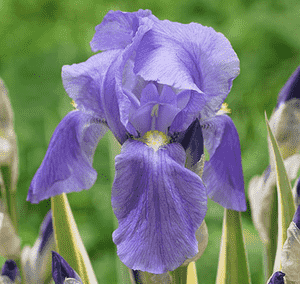
Relocate sweet iris at the transition from spring to early summer to ensure the best root development in a location with good drainage and exposure to partial or full sunlight. Ensure continuous hydration following the transplantation of sweet iris.
What Preparations are Needed Before Transplanting Sweet Iris?
What is the Ideal Time for Transplanting Sweet Iris?
The optimal time to move sweet iris is during the pleasant warmth of mid-to-late spring or the beginning of summer. This period aligns with sweet iris's active growth, providing sufficient warm weather and avoiding its dormant phase. Relocating sweet iris at this time ensures roots establish well before intense summer heat or autumn cold. This supports sweet iris's natural growth patterns, making the transition smoother and more successful.
How Much Space Should You Leave Between Sweet Iris Plants?
First, ensure proper spacing for sweet iris. A distance of about 1-2 feet (30-60 cm) is a good starting point. This guarantees they have ample room to develop without competing for vital nutrients and sunlight.
What is the Best Soil Mix for Sweet Iris Transplanting?
For sweet iris, well-draining soil works wonders! A sandy or loamy type is perfect. Remember to enrich the soil with a foundational fertilizer, such as bone meal or compost, to provide a nutrient boost!
Where Should You Relocate Your Sweet Iris?
Finally, consider carefully where you plan to transplant sweet iris. Select a spot where it can receive at least six hours of sunlight daily. Sunlight is crucial for its growth and flowering!
What Equipments Should You Prepare Before Transplantation Sweet Iris?
Gardening Gloves
To safeguard your hands while handling soil and sweet iris.
Garden Shovel
Perfect for excavating the hole where sweet iris will be replanted.
Hand Pruners
Useful for trimming any dead or overly dense parts of sweet iris.
Watering Can or Hose
Essential for hydrating sweet iris immediately after its relocation.
Mulch
To shield sweet iris and help maintain soil moisture post-transplantation.
How Do You Remove Sweet Iris from the Soil?
How Do You Remove Sweet Iris from the Soil?
From Ground: Begin by moistening the soil around your sweet iris plant to facilitate digging. Using a garden shovel, start digging a wide circle around the plant. Ensure the circle is broad enough to avoid damaging the root system. Once you have completely encircled the sweet iris, carefully get beneath the root system and lift the plant from the ground.From Pot: If sweet iris is in a pot, water the plant first to dampen the soil. Hold the base of the sweet iris with one hand, and with the other, invert the pot. Tap it gently, and the sweet iris should slide out with the soil. Handle the root system delicately to prevent harm.From Seedling Tray: Water the seedlings, then use a gardening trowel or spoon to carefully scoop out the sweet iris seedling along with its surrounding soil, taking as much as possible to minimize root disturbance.
Step-by-Step Guide for Transplanting Sweet Iris
Site Preparation
The new planting location should already be ready. Before anything else, ensure the hole for the sweet iris is wide and deep enough to comfortably accommodate the plant's root system.
Position
Place the sweet iris into the hole. The top of the root system should be level with the ground, or slightly below. Adjust the hole's depth if necessary.
Backing
Begin refilling the hole by gradually adding the soil you removed earlier. As you do this, make sure sweet iris remains upright.
Firming
Once the hole is filled, gently compact the soil around the base of the sweet iris using your hands. This will help stabilize the plant and eliminate any air pockets in the soil.
Watering
Water sweet iris immediately after transplanting. This will settle the soil around the plant's roots and assist its recovery from the stress of relocation.
How Do You Care For Sweet Iris After Transplanting?
Observance
Monitor the condition of sweet iris after transplantation. Look for any signs of stress such as wilting, yellowing, or dropped leaves, which might indicate the plant is struggling to adapt to its new environment.
Continued watering
While it's crucial not to overwater, the soil around sweet iris should not become dry, especially during the initial weeks following transplantation.
Feed
After a couple of weeks, begin feeding sweet iris with a balanced, slow-release fertilizer. This should enhance root development and aid recovery.
Protection
If weather conditions are harsh, consider providing sweet iris with additional protection. This could involve a layer of mulch around the base or even temporary shade if the sun is particularly intense.
Maintenance
Keep an eye out for weeds around sweet iris and remove them regularly. Weeds will compete with your sweet iris for nutrients and water, potentially hindering its growth.
Troubleshooting Common Issues with Sweet Iris Transplantation.
What is the best time of year to transplant sweet iris?
The optimal period for relocating sweet iris is from late spring to early autumn, when temperatures are warm enough for root establishment.
How much space does sweet iris need when I transplant it?
Sweet iris requires ample room to thrive, so ensure you leave approximately 1-2 feet (30-60 cm) between each transplanted plant for ideal growth.
What would be the optimal soil condition for transplanting sweet iris?
Sweet iris prefers well-drained soil with a slightly acidic to neutral pH. It's best if the soil is fertile and rich in humus to encourage healthy growth.
Do I need to water sweet iris as soon as I transplant it?
Absolutely! Sufficient hydration is vital after transplanting sweet iris. Water it immediately after relocation, and then regularly, depending on local weather conditions.
How deep should the hole be when transplanting sweet iris?
Dig a hole deep enough so that the sweet iris's roots sit just below the soil's surface, typically around 1.5-2 inches (4-5 cm).
What should I do if my transplanted sweet iris shows no signs of growth?
Check the soil moisture and sunlight exposure. Sweet iris needs full sun or partial shade and well-draining soil. If it's not growing, try adjusting these conditions first.
After transplanting sweet iris, how often should I water it?
During the first few weeks after transplanting, water sweet iris daily or every other day. Once established, a weekly watering routine should be sufficient.
What can I do if the leaves of sweet iris start to yellow after transplanting?
Yellow leaves might indicate overwatering or a lack of nutrients. Reduce watering and consider adding a balanced organic fertilizer to the soil.
Why is my transplanted sweet iris wilting?
Wilting after transplanting is a common response to transplant shock. Consistent, but not excessive, watering and patience should allow sweet iris to recover.
Can I prune sweet iris after transplanting?
Avoid pruning sweet iris immediately after transplanting. Generally, after the blooming period concludes, one can lightly prune sweet iris to maintain its shape.



