How to Transplant Rabbitear iris?
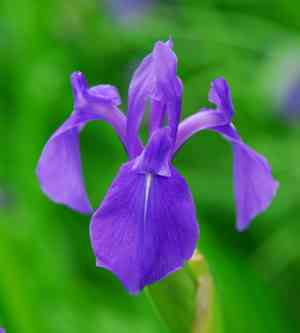
For rabbitear iris, the arrival of spring's renewal is an ideal period for relocation, as the revitalized earth supports root development. Select sites that retain moisture but drain effectively, and allow mild morning sunlight to illuminate the area for peak health after transplanting.
Preparations Required Before Relocating Rabbitear Iris
Optimal Timing for Rabbitear Iris Relocation?
The best time to move rabbitear iris is at the start of spring, when vigorous growth begins. Transplanting rabbitear iris then ensures strong root development before summer. This timing allows rabbitear iris to benefit from longer days and mild weather, perfect for root growth and adaptation, setting a solid foundation for the upcoming growing season. A friendly reminder: this well-timed move helps rabbitear iris thrive, creating a vibrant garden display.
Recommended Spacing Between Rabbitear Iris Plants?
Provide ample room for each rabbitear iris! Placing them approximately 1-2 feet (30-60 cm) apart will allow them to flourish. This also aids in preventing disease transmission among plants.
Best Soil Mixture for Rabbitear Iris Transplanting?
The ideal soil for rabbitear iris should be consistently moist and rich in humus. Prepare it with a nitrogen-rich base fertilizer for optimal outcomes. Incorporate compost or organic matter if your soil is excessively sandy or clayey.
Optimal Location for Relocating Your Rabbitear Iris?
Rabbitear iris enjoys full sun exposure but can also tolerate some partial shade. Select a sunny spot in your garden, or an area that receives filtered sunlight throughout the day for best growth.
Equipment to Prepare Before Transplanting Rabbitear Iris?
Gardening Gloves
To safeguard your hands while handling the rabbitear iris.
Trowel
This tool will be used to excavate from the pot, ground, or seedling tray.
Shovel
For digging a hole in the new planting site appropriate for the size of the rabbitear iris's root ball.
Garden Hose or Watering Can
For hydrating the plant both prior to and following the transplanting procedure.
Organic Mulch
To apply around the plant's base after transplanting. This will help retain moisture and deter weed growth.
Gardening Shears
To trim the plant if necessary. This isn't always essential but can help the plant direct its energy towards root development.
Method for Extracting Rabbitear Iris from the Soil?
Method for Extracting Rabbitear Iris from the Soil?
From Ground: First, moisten the rabbitear iris plant to dampen the soil. Then, use a trowel to dig a wide trench around the plant, ensuring the root ball remains intact. Carefully work the trowel beneath the root ball to lift the plant from its original spot.From Pot: If the rabbitear iris is in a pot, water it thoroughly before beginning the transplant process. Gently tilt the pot and tap it to loosen the soil and roots. Hold the plant's base and pull gently; the entire plant, with its root ball, should slide out.From Seedling Tray: If removing rabbitear iris from a seedling tray, water well first. The soil should be damp but not waterlogged. Gently hold the plant's base and use a spoon or small tool to carefully lift the seedling and its roots from the cell.
Detailed Steps for Transplanting Rabbitear Iris
Excavating the Hole
Dig a hole that is twice as wide and the same depth as the rabbitear iris's root ball. The plant should be positioned at the same depth in the ground as it was previously.
Preparing the Plant
Gently loosen the roots of the rabbitear iris with your fingers. This will encourage them to spread out in their new environment.
Positioning the Plant
Place the rabbitear iris in the center of the hole. Backfill the hole with the soil that was removed during excavation.
Watering
Thoroughly water the plant once it is in the ground. This will help settle the soil around the roots.
Mulching
Once the plant is settled and watered, spread a layer of organic mulch around the base of the plant. The mulch should not touch the stems of the rabbitear iris.
Post-Transplant Care for Rabbitear Iris
Watering
After transplanting, the rabbitear iris will require consistent watering for several weeks until its roots are well-established.
Pruning
Trim the rabbitear iris as needed to maintain its form and encourage robust, healthy growth.
Inspection
Regularly check for indications of diseases or pests. Early detection of any potential issues is crucial for a healthy and successful transplant.
Resolving Common Issues with Rabbitear Iris Transplantation.
When is the optimal time to transplant rabbitear iris?
The best period to transplant rabbitear iris is during S1. This season allows the plant sufficient time to establish itself before its growth phase.
How much space should I allocate for each rabbitear iris during transplanting?
Each rabbitear iris should be given approximately 1-2 feet (30-60 cm) of space. This provides adequate room for growth and access to sunlight.
What should be the planting depth for rabbitear iris bulbs?
Plant rabbitear iris bulbs about 3-4 inches (7-10 cm) deep in the soil. This depth is ideal for root establishment and growth.
What type of soil is suitable for transplanting rabbitear iris?
Rabbitear iris prefers well-drained soil. Enhance the soil with compost or organic matter to improve its structure and fertility before transplanting.
How to water rabbitear iris after transplanting?
Water rabbitear iris generously after transplantation, aiding the plant in establishing itself. Afterward, maintain consistent watering patterns without over-saturating the soil.
What should I do if the leaves of rabbitear iris start yellowing after transplantation?
If rabbitear iris's leaves yellow post-transplant, this may indicate water stress. Review your watering routine and ensure the plant is neither waterlogged nor dehydrated.
Do I need to add fertilizer after transplanting rabbitear iris?
Yes. Applying a balanced slow-release fertilizer after transplanting can help rabbitear iris establish quickly. Remember not to over-fertilize to prevent root burn.
What's the ideal temperature for rabbitear iris after transplantation?
Rabbitear iris thrives best in temperatures between 60-70°F (15-21°C). Maintaining this temperature range post-transplant can foster healthy growth.
How much sunlight does rabbitear iris need after transplantation?
Rabbitear iris ideally needs partial to full sun exposure. Position it in a spot that receives at least six hours of sunlight per day.
How to handle rabbitear iris wilting after transplanting?
Initial wilting after transplant is normal as rabbitear iris adjusts to its new location. Continue with regular watering and observe the plant for improvements.



