How to Transplant Douglas Iris?
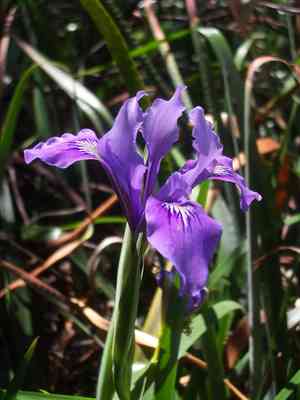
Relocating douglas Iris flourishes when situated in the ground between mid and late spring, capitalizing on the moderate warmth and temperate conditions. Providing dappled sunlight and adequately draining soil will result in vigorous development. Remember this helpful tip: a small amount of compost is highly beneficial!
Essential Preparations Before Relocating Douglas Iris?
Optimal Period for Moving Douglas Iris?
Relocating douglas Iris at the peak of spring offers ideal conditions for root establishment prior to summer's heat. Moving it during this time promotes vigorous growth and lessens stress. Embrace this season for a flourishing douglas Iris!
Recommended Spacing Between Douglas Iris Plants?
When preparing to move your douglas Iris, excavate a hole sufficiently deep and wide to accommodate its root system. Maintain a distance of 1-2 feet (30-60 cm) between each plant. This provides ample room for your douglas Iris to develop comfortably.
Best Soil Blend for Douglas Iris Relocation?
Your douglas Iris will thrive in soil that is well-drained, rich, and slightly acidic. Incorporating a layer of compost or a slow-release granular fertilizer at the base will adequately supply its nutritional needs. Don't hesitate to consult garden center staff if you're uncertain!
Where to Position Your Douglas Iris?
For placing your douglas Iris, select a location that receives full to partial sunlight, perhaps a spot with morning sun but some afternoon shade. This will help your douglas Iris flourish without becoming overheated!
Equipment to Prepare Before Transplanting Douglas Iris?
Gardening Gloves
To safeguard your hands from dirt, sharp gardening tools, and any potential irritants when handling douglas Iris.
Garden Trowel
Useful for excavating douglas Iris from its current spot and for replanting.
Spade or Shovel
For digging an appropriate hole at the new planting site.
Garden Pruners or scissors
Helpful for trimming any dead or damaged sections of douglas Iris during the transplanting process to encourage healthy development.
Watering Can or Hose
To hydrate douglas Iris both before and after its relocation.
Wheelbarrow or Container
For transporting douglas Iris from its original position to the new planting area.
How to Extract Douglas Iris from the Ground?
How to Extract Douglas Iris from the Ground?
From Ground: Start by thoroughly watering the douglas Iris plant to moisten the soil. This facilitates the removal process and minimizes plant stress. Use a spade or a large gardening trowel to carefully dig around the plant's base, ensuring enough space to encompass the entire root ball. Gently pry douglas Iris from the ground with mild force, preserving the root ball to ensure its survival during transplantation.From Pot: Lightly water douglas Iris to allow the roots to slide out of the pot more easily. Place your hand over the soil surface with the plant stem between your fingers. Invert the pot and gently tap it to loosen the plant. Slowly and carefully slide douglas Iris out of the pot.From Seedling Tray: Employ a small tool like a spoon or dibbler to carefully remove douglas Iris without harming its delicate roots. Be sure to lift from beneath the roots, rather than pulling on the stems.
Detailed Guide for Relocating Douglas Iris
Preparation
Prepare the new site for douglas Iris. This should be completed before you begin removing the plant from its initial location. Dig a hole that is twice as wide and as deep as the plant's root ball.
Transplanting
Position douglas Iris into the hole. The top of the root ball should be level with or slightly below the surrounding soil. This prevents the plant from being planted too deeply or too shallowly.
Backfilling
Carefully refill the hole around douglas Iris, gently firming the soil to eliminate any air pockets.
Watering
Water generously, but avoid over-saturating, immediately after planting douglas Iris. The water will help settle the soil and remove additional air pockets.
Post-Transplant Care for Douglas Iris?
Maintenance
Regularly inspect douglas Iris to confirm it is adapting well to its new environment. While the plant is developing new roots, watch for any indications of water stress or sun damage.
Watering
After transplanting, douglas Iris will require consistent watering until it is fully established, indicated by new growth. Subsequently, reduce watering, remembering that steady moisture promotes strong root development.
Pruning
If any parts of the plant wither after transplanting, trim them off to redirect energy towards new growth.
Weather Protection
Newly transplanted plants can be vulnerable to extreme weather conditions. If frost, a heatwave, or strong winds are predicted, consider providing douglas Iris with temporary protection.
Resolving Common Issues with Douglas Iris Relocation.
When is the best time to move douglas Iris?
The optimal period for relocating douglas Iris is from late spring to early autumn.
What is the ideal spacing when moving douglas Iris?
For healthy growth, douglas Iris should be positioned approximately 1-2 feet (30.48-60.96 cm) apart from one another.
What precautions should be taken when moving douglas Iris?
Before relocating douglas Iris, ensure the soil is well-drained. Also, minimize root shock by watering the plant both before and after the move.
Is it necessary to prepare the new planting area in advance?
Yes, for successful relocation, prepare the new space by loosening and turning over the soil a day prior to transplanting.
How deep should douglas Iris be planted after relocation?
Douglas Iris should be planted at the same depth it was in its original spot to prevent root exposure.
What should I do if the leaves of the relocated douglas Iris turn yellow?
Yellowing leaves may indicate insufficient watering. Once noticed, water douglas Iris regularly, but avoid over-watering which can lead to root rot.
How can I lessen transplant shock in douglas Iris?
To reduce transplant shock, try to keep the original soil around the roots of douglas Iris and water the plant generously after relocation.
What type of soil does douglas Iris prefer after being moved?
Douglas Iris thrives in loamy, well-drained soil. If your soil is clayey or sandy, consider adding organic matter to make it suitable for douglas Iris.
What should I do if the relocated douglas Iris shows no new growth?
If douglas Iris exhibits no new growth after relocation, ensure the plant is receiving adequate sunlight and water. Also, consider a plant-friendly fertilizer.
How can I ensure the survival of douglas Iris after relocation?
For successful relocation, ensure douglas Iris is not exposed to extreme temperatures, receives appropriate sunlight, and has sufficient space for root development.



