How to Transplant Blackberry lily?
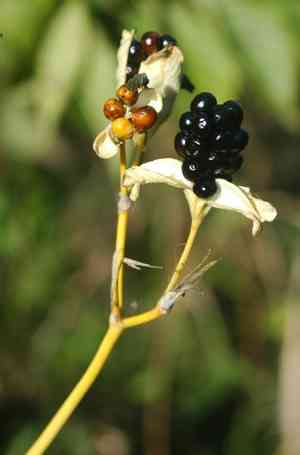
The ideal period for relocating blackberry lily spans from mid-spring through mid-summer, offering the most favorable cultivation environment. Choose a bright, adequately drained spot for blackberry lily, and contemplate incorporating organic material to foster more robust development. Enjoy your transplanting!
What Preparations are Needed Before Transplanting Blackberry Lily?
What is the Ideal Time for Transplanting Blackberry Lily?
Ideally, you should consider relocating blackberry lily from the refreshing mid-spring until the gentle mid-summer. This timeframe ensures vigorous development, as the warm ground and moderate temperatures aid root establishment. It's important to note that timely relocation of blackberry lily will enhance its growth potential and flowering capability. So, seize the season and adorn your garden with the captivating beauty of blackberry lily.
How Much Space Should You Leave Between Blackberry Lily Plants?
When relocating blackberry lily, ensure approximately 6-8 inches (15-20 cm) of distance between each plant. This provides ample room for growth and prevents overcrowding.
What is the Best Soil Mix for Blackberry Lily Transplanting?
Before relocating blackberry lily, prepare the soil using a well-drained, nutrient-rich, loamy mixture with a slightly acidic to neutral pH. It's beneficial to incorporate some organic compost or a balanced slow-release fertilizer to supply essential nutrients.
Where Should You Relocate Your Blackberry Lily?
Select a site for relocating blackberry lily that receives full sun or partial shade. They flourish in areas with at least 6 hours of daily sunlight, but can also endure some filtered shade in the afternoon.
What Equipments Should You Prepare Before Transplantation Blackberry Lily?
Gardening Gloves
These will shield your hands from soil and grime when handling the earth and blackberry lily.
Shovel or Spade
Required for excavating the hole in the ground for relocation.
Watering Can
To hydrate the blackberry lily before and after relocation.
Garden Hoe
This will loosen the soil and eliminate any weeds near the relocation site.
Pruning Shears
These are useful for trimming any dead or damaged foliage from the blackberry lily.
How Do You Remove Blackberry Lily from the Soil?
How Do You Remove Blackberry Lily from the Soil?
From Ground: To extract blackberry lily from the ground, begin by moistening the soil surrounding the plant. This will facilitate the removal process. Use your shovel or spade to carefully dig a wide and deep circle around the blackberry lily, ensuring not to harm the root ball. Use the spade to gently lift the plant and its root ball from its current position.From Pot: If the blackberry lily is in a container, water the soil first. Then, place your hand on the soil surface, with the stem of blackberry lily between your fingers. Invert the pot and gently shake until the plant emerges. Be sure to support the plant and its root ball throughout this procedure.From Seedling Tray: For seedling trays, water the blackberry lily first. Grasp the stem of the blackberry lily carefully and lift it out of the tray, ensuring the root ball remains intact.
Step-by-Step Guide for Transplanting Blackberry Lily
Preparation
Ensure the intended relocation site is free of debris and unwanted plants. Use your garden hoe to loosen the soil and prepare it for the blackberry lily's arrival.
Digging
Use your shovel or spade to excavate a hole that is approximately twice the size of the blackberry lily's root ball. The additional space aids root expansion and growth.
Placement
Lower your blackberry lily into the hole, making sure the top of the root ball is level with the soil surface. Partially backfill the hole, firming the soil around the root ball.
Watering
After positioning the blackberry lily in the hole, thoroughly water the plant. Once the water has drained, fill in the remainder of the hole with soil.
Final Touches
If necessary, use your pruning shears to trim any damaged leaves or stems on the blackberry lily.
How Do You Care For Blackberry Lily After Transplanting?
Watering
Water your blackberry lily consistently after relocation, especially during the initial two weeks. This helps the plant develop strong roots and adapt to its new environment.
Pruning
Regularly inspect your blackberry lily for any indications of damage or disease. Use your pruning shears to promptly remove these parts.
Mulch
Apply a 2-inch layer of mulch around your blackberry lily to help retain soil moisture and regulate temperature, while also preventing weed growth.
Inspection
Closely observe your blackberry lily for the first few weeks. Look for signs of transplant shock, such as wilting or yellowing foliage. If these symptoms persist despite proper care, consult with a local garden center or extension service.
Troubleshooting Common Issues with Blackberry Lily Transplantation.
When is the best time to replant blackberry lily?
Mid-spring through mid-summer is the optimal period for relocating blackberry lily. This allows it sufficient time to establish before winter.
What space should I leave between each blackberry lily?
It's best to plant blackberry lily about 6-8 inches (15-20 cm) apart. This provides adequate space for growth and good air circulation.
What should I do if my transplanted blackberry lily shows signs of wilting?
Wilting may indicate transplant shock. Ensure it receives enough water, but avoid overwatering. Consistent moisture levels are crucial. Partial shade may also assist during adjustment.
How to prepare the soil for blackberry lily transplanting?
Ensure the soil is well-drained with abundant organic matter. You can add compost or manure to enhance its fertility before planting blackberry lily.
Is it necessary to prune blackberry lily while transplanting?
Yes, pruning helps blackberry lily focus its energy on root development. Trim off any damaged roots before planting, and consider lightly pruning back the foliage.
What is the ideal depth when transplanting blackberry lily?
Typically, dig a hole deep enough to completely cover the root ball of blackberry lily. So the crown should be level with the soil surface.
How long does it take for blackberry lily to establish after transplanting?
Blackberry lily usually takes a few weeks to establish. Monitor its water and nutrient requirements during this period.
Why is my newly transplanted blackberry lily yellowing?
Yellowing leaves could indicate water stress or nutrient deficiency. Regular watering and a well-balanced fertilizer will help blackberry lily recover from relocation.
Can I use a general-purpose fertilizer for my blackberry lily after transplanting?
Indeed, a balanced, general-purpose fertilizer can provide blackberry lily the nutritional boost it needs after relocation, promoting faster root establishment and healthy growth.
What should I consider if my transplanted blackberry lily isn't blooming?
Blackberry lily relies on sunlight to bloom. Ensure the plant is receiving at least 6 hours of direct sunlight daily after relocation.



