How to Transplant Common morning glory?
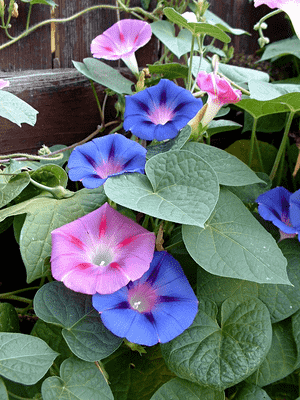
The perfect period for relocating common morning glory is when the warmer weather of mid-spring begins; this time of year provides prime conditions for development. Select a bright spot with soil that drains effectively. Be aware that young common morning glory specimens are delicate, so exercise caution during their transfer.
What Preparations are Needed Before Transplanting Common Morning Glory?
What is the Ideal Time for Transplanting Common Morning Glory?
The optimal period to relocate common morning glory is mid-spring, as this promotes peak development. Moving them during this time provides ample sunlight and warm soil, greatly enhancing common morning glory's growth. A helpful tip: transplanting common morning glory then establishes a strong foundation for its successful growth journey, free from obstacles.
How Much Space Should You Leave Between Common Morning Glory Plants?
When transplanting common morning glory, aim for a comfortable spacing of approximately 6-12 inches (15-30 cm) between plants. This provides each plant sufficient room to grow and thrive without competing for nutrients or light.
What is the Best Soil Mix for Common Morning Glory Transplanting?
Prepare a soil that drains well, with a loamy or sandy consistency for common morning glory. Incorporate some organic material, such as compost or aged manure, as a foundational fertilizer to supply vital nutrients and encourage robust growth.
Where Should You Relocate Your Common Morning Glory?
Select a sunny location for common morning glory that receives a minimum of 6 hours of direct sunlight daily. They will flourish with abundant morning sun and will reward you with stunning, vibrant blooms in return.
What Equipments Should You Prepare Before Transplantation Common Morning Glory?
Gardening Gloves
To safeguard your hands while handling soil and the common morning glory plant.
Trowel or Shovel
For digging holes and carefully extracting the plant from its initial spot.
Watering Can or Hose
To hydrate the common morning glory plant both before and after its relocation.
Pruner
To trim any unhealthy or damaged sections of the common morning glory plant prior to transplanting.
Compost or Organic Matter
To enrich the planting hole and encourage robust root development.
How Do You Remove Common Morning Glory from the Soil?
How Do You Remove Common Morning Glory from the Soil?
From Ground: First, moisten the soil around the common morning glory plant by watering it. Next, use a shovel or spade to dig a wide trench around the plant, ensuring the root ball stays intact. Carefully work the spade beneath the root ball to lift the plant from its original position.From Pot: Water the common morning glory plant thoroughly to help loosen the soil from the pot's sides. Gently tilt the pot and carefully slide the plant out, keeping the root ball whole. Avoid pulling on the plant stems to prevent root damage.From Seedling Tray: Water the seedlings to dampen the soil. Use a small trowel or your fingers to carefully loosen the soil around the common morning glory seedling. Gently lift the seedling, being careful not to harm the delicate roots.
Step-by-Step Guide for Transplanting Common Morning Glory
Preparation
Water the common morning glory plant thoroughly before starting the transplanting process to minimize stress on the plant.
Hole Digging
Excavate a hole at the planting site that is twice as wide and as deep as the common morning glory plant's root ball; this provides ample space for root expansion.
Soil Improvement
Incorporate compost or organic material into the planting hole to create a nutrient-rich environment for the roots to establish themselves.
Plant Positioning
Carefully place the common morning glory plant into the hole, ensuring the top of the root ball is level with the surrounding soil surface.
Filling and Firming
Gently backfill the hole, covering the common morning glory plant's roots with soil. Press down on the soil to remove air pockets and ensure good soil-to-root contact.
Watering
Thoroughly water the newly transplanted common morning glory plant to help settle the soil and provide essential moisture.
How Do You Care For Common Morning Glory After Transplanting?
Monitoring
Observe the common morning glory plant for any indications of stress, such as wilting or yellowing leaves. Address any issues promptly to ensure a successful transplant.
Watering
Maintain consistent soil moisture levels without overwatering. Allow the top inch of soil to dry out between waterings to prevent root rot.
Pruning
Remove any damaged or unhealthy parts of the common morning glory plant to encourage new growth and reduce the spread of plant diseases.
Pest Control
Regularly inspect the common morning glory plant for any signs of pests and take appropriate action, such as using insecticidal soap or manually removing insects, to keep pest populations under control.
Troubleshooting Common Issues with Common Morning Glory Transplantation.
When is the perfect moment of the year to transplant common morning glory?
For a successful transplant, mid-spring is ideal. This offers common morning glory optimal conditions to grow and thrive.
What is the perfect distance to place common morning glory when transplanting?
Common morning glory appreciates some room! Leave 6-12 inches (15-30 cm) between each to allow them to spread out and develop perfectly.
How deeply should common morning glory be planted?
Plant common morning glory seeds approximately 1/2 inch (1.27 cm) deep. This depth provides sufficient space for the root system to expand easily.
Why are my transplanted common morning glory wilting?
Wilting might be due to insufficient water or abrupt changes in light or temperature. Maintain a stable growing environment and water adequately for healthy common morning glory.
What kind of soil does common morning glory prefer for transplantation?
Common morning glory isn't overly particular about soil, but they favor well-drained soil enriched with organic matter, ensuring they receive all necessary nutrients.
How often should I water common morning glory after transplantation?
Adjust watering frequency based on your climate, but generally, common morning glory needs regular watering to keep the soil consistently moist.
How much sunlight does common morning glory need after I've transplanted it?
Common morning glory loves sun! Place them in an area where they will receive full sun exposure for at least 6 to 8 hours daily.
Can I transplant common morning glory to a pot indoors?
Yes, common morning glory can be grown in a pot, but ensure it gets adequate sunlight and water, and that the pot has drainage holes to prevent waterlogging.
How to manage pest issues with transplanted common morning glory?
Regularly check common morning glory's leaves (both sides) for pest signs. If an infestation occurs, use an organic insecticide or insecticidal soap to address it.
Why are the leaves of my transplanted common morning glory turning yellow?
Yellowing leaves can indicate over-watering. Reduce watering and ensure your common morning glory's soil is well-drained to prevent waterlogged conditions.



