How to Transplant Spanish flag?
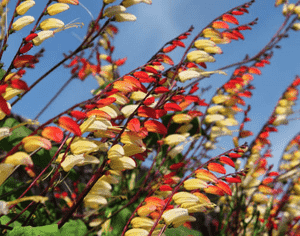
Select the mild period of spring's onset, generally from early to late spring, for relocating spanish flag. Pick a sunny location featuring effective drainage to foster vigorous development. Bear in mind, spanish flag flourishes optimally with careful handling and sufficient room to expand.
What Preparations are Needed Before Transplanting Spanish Flag?
What is the Ideal Time for Transplanting Spanish Flag?
Relocate spanish flag as spring awakens, when the garden bursts with vitality! This period offers warm, inviting soil. This season allows spanish flag roots to establish before summer's heat, ensuring a vibrant display. Seize this opportunity to give spanish flag the best start, with mild weather fostering its development. It's an excellent time for gardeners to promote robust, resilient growth in spanish flag, setting the stage for a profusion of fiery blooms that will captivate all observers.
How Much Space Should You Leave Between Spanish Flag Plants?
Hello, gardening enthusiasts! When preparing a new home for your spanish flag, remember they appreciate ample room. Position them approximately 12-18 inches (30-45 cm) apart. This spacing enables each spanish flag to thrive and expand its foliage!
What is the Best Soil Mix for Spanish Flag Transplanting?
Your spanish flag will flourish with some preparation. Select well-draining soil abundant in organic matter, such as a loamy mixture. Before transplanting, incorporate a balanced, slow-release fertilizer to provide your spanish flag with a nourishing beginning. A contented plant is a healthy plant!
Where Should You Relocate Your Spanish Flag?
Found a sunny spot? Your spanish flag will adore it! They love basking in full sunlight, absorbing at least 6 hours of those golden rays daily. So choose a bright location to ensure your spanish flag performs optimally and puts on a spectacular show for you!
What Equipments Should You Prepare Before Transplantation Spanish Flag?
Gardening Gloves
To safeguard your hands while handling soil and plants.
Gardening Trowel
For digging and moving the spanish flag.
Watering Can or Hose
To hydrate the spanish flag before and after relocation.
Garden Fork or Spade
To help loosen the earth and carefully lift the plant.
Pruning Shears
To trim any dead or excess growth prior to transplanting.
Rooting Hormone (optional)
To stimulate root development post-transplant.
Mulch
To aid in retaining soil moisture around the spanish flag after transplanting.
Support Stakes
To provide stability for the spanish flag if needed.
How Do You Remove Spanish Flag from the Soil?
How Do You Remove Spanish Flag from the Soil?
From Ground: First, moisten the spanish flag plant's soil to make it more manageable. Carefully dig around the plant with a garden fork, gently prying to loosen the soil and avoid root damage. Gradually work beneath the root ball to detach the plant from the ground with minimal root disturbance.From Pot: Thoroughly water the spanish flag to ensure the root ball remains intact. Turn the pot sideways, hold the plant at its base, and gently tap the bottom and sides of the pot to loosen. Carefully slide the plant out, supporting the root ball to prevent it from breaking apart.From Seedling Tray: Water the soil in the seedling tray for easier removal. Use a trowel or your fingers to gently lift the spanish flag seedlings from their compartments, taking care to keep as much soil around the roots as possible.
Step-by-Step Guide for Transplanting Spanish Flag
Perparation
Water the spanish flag thoroughly before beginning the transplant to ensure root hydration. This will also facilitate easier removal of the plant from its current spot with the root ball intact. Wear gardening gloves for protection throughout the process and gather all necessary tools nearby for convenience. Prepare the new location by loosening the soil and adding any required amendments to promote good drainage and provide nutrients for the spanish flag. Ensure the new site is free of weeds and debris before transplanting.
Removal
Follow the appropriate removal procedure outlined previously, depending on whether your spanish flag is being moved from the ground, a pot, or a seedling tray. Handle the plant and its roots with care to minimize stress and damage.
Planting Hole
Dig a hole at the new site that is twice the width of the root ball and the same depth, ensuring the plant will be at the same level it was previously growing. Amend the bottom of the hole with compost if necessary.
Transplanting
Carefully position the spanish flag in the center of the hole. Gently spread out the roots if they are tightly coiled. Fill in the hole with soil, firming it around the base of the plant to eliminate air pockets but being careful not to compact the soil too much.
Watering
After transplanting, thoroughly water the spanish flag to settle the soil around the roots and to help alleviate transplant shock. If roots were damaged during transplanting, you may apply a rooting hormone to encourage new growth.
Supporting
If the spanish flag requires support, insert stakes into the ground now and gently tie the plant to the stakes. This will provide stability as the plant grows.
Mulching
Apply a layer of mulch around the base of the spanish flag, leaving some space around the stem, to help retain moisture, regulate soil temperature, and prevent weed growth.
How Do You Care For Spanish Flag After Transplanting?
Monitoring Growth
Regularly observe the spanish flag for indications of growth or stress. New growth is a positive sign that the plant is adapting well to its new environment.
Staking Adjustments
As the spanish flag develops, check and adjust any supports or stakes to ensure they provide adequate stability without harming the plant.
Weeks One-Three Watering
Maintain consistent moisture in the soil around the spanish flag for the initial few weeks. This means damp, not waterlogged, soil. Adjust watering frequency based on weather conditions and soil moisture levels.
Protection from Elements
Shield the spanish flag from harsh weather conditions, such as heavy rainfall or strong winds, which can be particularly detrimental immediately after transplanting.
Observing for Pests
Look for any signs of pests or diseases and address them promptly to prevent further stress on the already vulnerable spanish flag.
Pruning
Once the spanish flag has had time to acclimate to its new location, prune any remaining dead or damaged growth to encourage healthy new development.
Troubleshooting Common Issues with Spanish Flag Transplantation.
What's the best time of year to transplant spanish flag?
The optimal period to transplant spanish flag is from early to late spring to maximize its growth potential.
How far apart should I space spanish flag when transplanting?
Space spanish flag 12-18 inches (30-46 cm) apart during transplanting to allow each plant ample room to thrive.
Why are my transplanted spanish flag wilting?
Wilting after transplanting may indicate shock. Ensure proper hydration, initially avoid direct sun, and protect from strong gusts.
What soil conditions favor the successful transplantation of spanish flag?
For successful transplantation, plant spanish flag in well-draining soil that is rich in organic matter.
How deep should the hole be for transplanting spanish flag?
Dig a hole just deep enough so that the spanish flag's root ball is level with the soil surface.
Should I water spanish flag immediately after transplanting?
Yes, thoroughly water spanish flag to settle the soil around the roots and aid in its recovery.
My spanish flag hasn't grown since transplanting, what's wrong?
Patience is essential â it might simply be establishing its roots. Ensure it receives adequate light, water, and nutrients.
How can I prevent transplant shock in spanish flag?
Minimize root disturbance, water thoroughly, provide shade, and consider using a transplant shock reducer.
Is it necessary to prune spanish flag when transplanting?
Light pruning can be beneficial. Remove any damaged or dead material to focus spanish flag's energy on root development.
What weather conditions are best for transplanting spanish flag?
Transplant spanish flag on an overcast day or during the late afternoon to reduce stress from direct sunlight and heat.



