How to Transplant Busy lizzie?
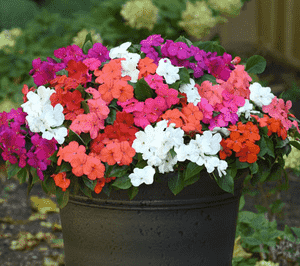
To achieve optimal development for busy lizzie, select the period from mid-spring to late spring or mid-autumn to late autumn as the most suitable times for relocation. This timing facilitates more effective root establishment for the plant. Guarantee a site with good drainage and partial shade to maximize the success of the transplant. Be sure to manage the fragile root structure gently during the transfer process!
What Preparations are Needed Before Transplanting Busy Lizzie?
What is the Ideal Time for Transplanting Busy Lizzie?
The optimal period to move your busy lizzie is from mid-spring to late-spring, or mid-fall to late-fall. Relocating during these seasons promotes robust development and smooth adjustment, ensuring your plant flourishes effortlessly!
How Much Space Should You Leave Between Busy Lizzie Plants?
For busy lizzie, it's best to position each plant approximately 6-12 inches (15-30 cm) apart. This provides ample room for growth and prevents competition for nutrients and resources.
What is the Best Soil Mix for Busy Lizzie Transplanting?
Ensure you use moist, well-draining soil enriched with compost or a balanced slow-release fertilizer for busy lizzie. This combination will supply the necessary nutrients for vigorous growth.
Where Should You Relocate Your Busy Lizzie?
Select a spot for your busy lizzie that receives partial shade or filtered sunlight throughout the day. This guarantees they get the appropriate amount of sun without being overwhelmed.
What Equipments Should You Prepare Before Transplantation Busy Lizzie?
Gardening Gloves
To safeguard your hands while handling soil and plants.
Shovel or Trowel
For excavating holes and extracting the plant from its initial position.
Pruning Shears
To trim and shape the plant during relocation, if required.
Watering Can or Hose
To hydrate the plant before and after moving it.
Compost or Organic Matter
To enhance soil structure and supply nutrients for busy lizzie.
Mulch
To aid in retaining soil moisture and inhibiting weed growth post-transplant.
How Do You Remove Busy Lizzie from the Soil?
How Do You Remove Busy Lizzie from the Soil?
- From Ground:First, water the busy lizzie plant to moisten the soil. Then, dig a wide trench around the plant using a shovel or spade, ensuring the plant's root ball remains intact. Carefully work the spade under the root ball to lift the plant from its original location.- From Pot:Water the busy lizzie plant thoroughly to help detach the roots from the container. Gently tilt the pot on its side and carefully slide the plant out, keeping its root ball whole. If the plant is stuck, tap the pot's rim on a firm surface to loosen it.- From Seedling Tray:Use a trowel to gently lift each busy lizzie seedling from the tray, being careful not to harm the roots or leaves. Hold the seedling by its root ball rather than the stem to avoid damaging the plant.
Step-by-Step Guide for Transplanting Busy Lizzie
Site Selection
Choose a location with adequate sunlight and room for your busy lizzie plant to reach its full size.
Prepare the Soil
Dig a hole twice the width of the root ball and roughly the same depth, loosening the soil at the sides and bottom. Incorporate compost or organic matter to improve soil structure.
Place the Plant
Gently lower the busy lizzie plant into the hole, positioning it so the top of the root ball is level with the surrounding soil. Lightly backfill the hole with soil, keeping the plant upright and centered.
Firm the Soil
Press the soil around the base of the busy lizzie plant to eliminate air pockets and ensure good contact between the roots and soil. Water the area thoroughly to settle the soil.
Mulching
Spread a layer of mulch around the base of the busy lizzie, leaving a small gap between the mulch and the stem to prevent rot.
How Do You Care For Busy Lizzie After Transplanting?
Watering
Keep the soil around the busy lizzie consistently moist, but not waterlogged, for the initial few weeks after transplanting to help establish strong roots.
Pruning
Remove any damaged or dead leaves and stems using pruning shears. This will encourage healthy growth and prevent disease.
Feeding
Apply a balanced, slow-release fertilizer a few weeks after transplanting to provide additional nutrients and support healthy growth. Follow the package instructions for correct application and dosage.
Pest and Disease Control
Regularly inspect your busy lizzie for signs of pests or diseases. Address any issues promptly with appropriate organic or chemical remedies, following the manufacturer's instructions.
Support
If your busy lizzie plant grows tall and heavy, provide support with stakes or cages to prevent stems from breaking.
Troubleshooting Common Issues with Busy Lizzie Transplantation.
When should I transplant my busy lizzie?
Relocate your busy lizzie during mid to late spring or mid to late fall for optimal results.
How much space should I allocate for each busy lizzie?
Provide 6-12 inches (15-30 cm) of spacing between each busy lizzie plant for ideal growth.
What kind of soil should I use for transplanting my busy lizzie?
Choose well-draining, fertile, and slightly acidic soil (pH 6.0-6.5) for transplanting your busy lizzie.
How much sunlight does a busy lizzie need after transplanting?
Place the busy lizzie in an area that receives partial shade to prevent sunburn and promote healthy growth.
How deep should I plant busy lizzie when transplanting?
Plant the busy lizzie at the same depth as it was in its original container, ensuring the crown is level with the soil.
How much water is necessary after transplanting the busy lizzie?
Keep the soil consistently moist, but avoid overwatering. Water when the top 1 inch (2.5 cm) of soil feels dry.
Should I fertilize my busy lizzie during transplanting?
Yes, apply a balanced, slow-release fertilizer during transplanting to encourage healthy and steady growth.
How can I protect my transplanted busy lizzie from pests?
Monitor your busy lizzie regularly for signs of pests, like aphids, and use insecticidal soap or neem oil when necessary.
What are the common signs of transplant shock in busy lizzie?
Transplant shock may cause wilting, yellowing, loss of leaves, or slowed growth. Be patient and provide good care.
How can I reduce transplant shock in my busy lizzie?
Minimize transplant shock by planting at the right time, keeping roots moist, and avoiding rough handling during the process.



