How to Transplant Yellow jewelweed?
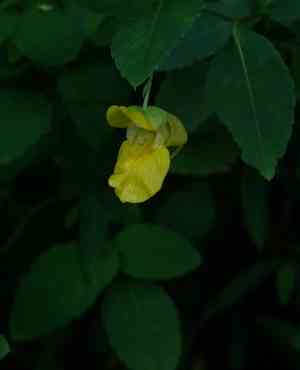
The ideal period for relocating yellow jewelweed is in the nascent stages of early to mid-spring, leveraging the temperate conditions for root development. Select a shaded location with damp earth to replicate yellow jewelweed's native environment, fostering peak proliferation.
What Preparations are Needed Before Transplanting Yellow Jewelweed?
What is the Ideal Time for Transplanting Yellow Jewelweed?
The optimal period for relocating yellow jewelweed is following the last frost, typically in early to mid-spring. Transplanting yellow jewelweed at this time leverages the gradually warming soil, which aids root development before the peak of summer. This timing allows yellow jewelweed ample opportunity to adapt and flourish, benefiting from longer days and cool nights, leading to vigorous growth and abundant blooms in your garden.
How Much Space Should You Leave Between Yellow Jewelweed Plants?
Firstly, when transplanting yellow jewelweed, ensure each plant has sufficient room to grow by spacing them approximately 2 to 3 feet (60 to 90 cm) apart. This guarantees adequate nutrient uptake and healthy development for every plant.
What is the Best Soil Mix for Yellow Jewelweed Transplanting?
For a successful transplant, enrich the soil with a robust base fertilizer. Yellow jewelweed thrives in well-draining soil abundant in organic matter. A garden soil blend fortified with compost is an excellent choice for this plant.
Where Should You Relocate Your Yellow Jewelweed?
Focus on the placement, making sure to select a spot that receives partial to full sunlight throughout the day for yellow jewelweed. Do not be concerned about excessive sun exposure; yellow jewelweed can tolerate it as long as its roots remain moist.
What Equipments Should You Prepare Before Transplantation Yellow Jewelweed?
Gardening Gloves
These will shield your hands from rough soil, sharp implements, or insects when handling the plant.
Garden Trowel
You will need this to excavate a hole at the new planting site for yellow jewelweed.
Spade or Shovel
This tool will assist in digging up the plant from its original spot without harming the roots.
Watering Can
To hydrate the plant both before and after the relocation process.
Mulch or Compost
To supply additional nutrients to the soil and support root growth of yellow jewelweed.
Gardener's Kneeling Pad
This is useful if you anticipate spending a significant amount of time kneeling during transplanting.
Bucket
To move the plant from its old location to the new one.
How Do You Remove Yellow Jewelweed from the Soil?
How Do You Remove Yellow Jewelweed from the Soil?
From Ground: Start by thoroughly watering the yellow jewelweed plant one day before transplanting. This helps the soil and root ball cohere. Use a spade or shovel to carefully dig around the plant's base, aiming to preserve as many roots as possible. Gently lift the root ball and place it in the bucket for transport.From Pot: The simplest method to extract yellow jewelweed from its container is to gently compress the pot's sides to loosen the soil, being careful not to injure the plant or roots. Grasp the plant's base and carefully tip it into your hand, supporting the root ball.From Seedling Tray: Simply insert a planting dibber (or any slender tool) into the soil beneath the seedling. Push it straight down, then tilt it to gently lift the seedling out.
Step-by-Step Guide for Transplanting Yellow Jewelweed
Prepare the site
Before extracting the yellow jewelweed from its current spot, prepare the area where you intend to replant it. Dig a hole with the garden trowel that is twice as wide and the same depth as the plant's root ball.
Position the plant
Place yellow jewelweed in the hole, ensuring it sits at the same level as it did in its original location. The top of the root ball should be flush with or slightly above the surrounding soil.
Backfill the hole
Fill the hole with soil, pressing it firmly around yellow jewelweed's root ball. Lightly tamp it down to eliminate any air pockets.
Water the plant
Use the watering can to hydrate yellow jewelweed, settling the soil around the plant.
Apply mulch
Add a layer of mulch or compost around the plant to retain moisture and inhibit weed growth.
How Do You Care For Yellow Jewelweed After Transplanting?
Watering
Water yellow jewelweed generously immediately after transplanting; for the initial week, keep the soil moist but not saturated. Watering frequency can be reduced once the plant has established itself.
Mulching
Reapply mulch as needed, but maintain a distance of a few centimeters from the stem to prevent moisture-induced rot.
Weed control
Regularly remove any weeds growing near the plant as they compete for resources.
Checking
Monitor for any indications of transplant shock, such as wilting or yellowing. If observed, provide shade to the plant until it recovers.
Troubleshooting Common Issues with Yellow Jewelweed Transplantation.
What's the most suitable time frame for transplanting yellow jewelweed?
The ideal time to transplant yellow jewelweed is during seasons S1 and S2. This is when they can best adapt to a new environment.
How can I determine the optimal spacing for my yellow jewelweed plants?
Your yellow jewelweed plants should ideally be spaced 2-3 feet (or 60-90 cm) apart. This promotes healthy growth and prevents overcrowding.
Why are my transplanted yellow jewelweed plants not thriving?
They may not be receiving adequate sunlight or water. Ensure yellow jewelweed gets partial shade and keep the soil consistently moist but not waterlogged.
How deeply should I plant transplanted yellow jewelweed?
Plant yellow jewelweed to the same depth it was in its original pot. Planting it too deep or shallow might lead to complications.
Why are the leaves on my transplanted yellow jewelweed yellow?
Yellow leaves might indicate overwatering. Although yellow jewelweed prefers moisture, it should not sit in water. Ensure the pot or ground has proper drainage.
Can I transplant yellow jewelweed inside?
Certainly, yellow jewelweed can be cultivated indoors. Just ensure it's placed in a well-lit area but avoid direct sunlight. Consistent watering is crucial.
How far from other plants should yellow jewelweed be placed?
Yellow jewelweed should be positioned 2-3 feet (or 60-90 cm) apart. This encourages air circulation and reduces the risk of pest infestation and disease spread.
What should I do if my transplanted yellow jewelweed's growth is stunted?
Stunted growth can signal poor soil conditions. Use compost or organic matter to enhance soil quality, providing essential nutrients for yellow jewelweed's development.
How to prepare the soil before transplanting yellow jewelweed?
The soil should be well-prepared with rich organic matter. Ensure it is loose and drains effectively to prevent waterlogging that can harm yellow jewelweed.
What if my yellow jewelweed shows signs of disease after transplanting?
If your yellow jewelweed exhibits disease symptoms, isolate it to prevent spread. Identify the ailment and treat with appropriate fungicides or other measures.



