How to Transplant Garden balsam?
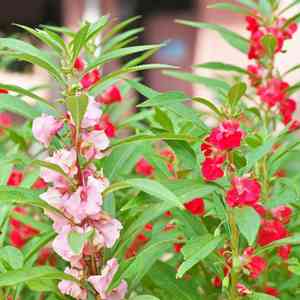
The most suitable period for relocating garden balsam is between late spring and early autumn, since the warmer season encourages swift development. Verify that the new location features soil with good drainage and receives partial sun exposure. Be sure to gently manage the fragile root system throughout the procedure.
What Preparations are Needed Before Transplanting Garden Balsam?
What is the Ideal Time for Transplanting Garden Balsam?
The optimal period to move garden balsam is from early summer to early autumn. This timeframe allows the plant to establish its root system prior to the initial frost. Relocating garden balsam during this interval results in healthier, more vibrant blooms. Therefore, begin pre-transplanting preparations a bit early; it's beneficial!
How Much Space Should You Leave Between Garden Balsam Plants?
When transplanting garden balsam, it's best to position each plant approximately 6-8 inches (15-20 cm) apart. This provides adequate room for growth and helps prevent overcrowding.
What is the Best Soil Mix for Garden Balsam Transplanting?
To provide the optimal base for garden balsam, aim for soil that drains well with a slightly acidic pH, around 6.0-6.5. Incorporate organic material, such as compost, and a balanced slow-release fertilizer for a nutrient-rich foundation.
Where Should You Relocate Your Garden Balsam?
Choose a site for garden balsam that receives full sun to partial shade, ensuring your plants get about 4-6 hours of daily sunlight. This helps garden balsam flourish and produce vivid flowers.
What Equipments Should You Prepare Before Transplantation Garden Balsam?
Gardening gloves
To safeguard your hands while handling soil and plants.
Trowel
To excavate a hole in the ground for relocating the garden balsam plant.
Shovel or spade
To extract the garden balsam plant from its original spot.
Watering can or hose
To hydrate the garden balsam before and after its relocation.
Organic compost or well-rotted manure
To enhance soil fertility and structure where the garden balsam will be replanted.
How Do You Remove Garden Balsam from the Soil?
How Do You Remove Garden Balsam from the Soil?
From Ground: First, moisten the garden balsam plant's soil with water. Next, dig a wide trench around the plant using a shovel or spade, ensuring the plant's root ball remains undisturbed. Carefully work the spade beneath the root ball to lift the plant from its initial location.From Pot: Water the garden balsam in its container to dampen the soil. Grasp the plant at its base and gently extract it from the pot while supporting the root ball. If removal is difficult, try rolling the pot on its side or gently tapping it to loosen the soil around the pot's edge.From Seedling Tray: To avoid harming the garden balsam's delicate roots, use a small trowel or planting spoon to carefully lift the seedling from the tray, keeping the root ball as intact as possible. Be careful not to pull the plant by its stem, as this can cause damage.
Step-by-Step Guide for Transplanting Garden Balsam
Site Preparation
Clear any weeds, rocks, or debris from the transplanting area.
Soil Amendment
Mix organic compost or well-rotted manure into the soil to improve its fertility and structure.
Digging the Hole
Use a trowel to create a hole that is twice the width and slightly deeper than the garden balsam's root ball.
Planting
Carefully place the garden balsam in the hole, positioning it at the same soil level as it was in its original spot. Gently spread the roots out in the hole.
Filling the Hole
Backfill the hole with soil, pressing it firmly around the plant to eliminate any air pockets.
Watering
Immediately water the garden balsam thoroughly to settle the soil and aid in establishing its roots in the new location.
How Do You Care For Garden Balsam After Transplanting?
Watering
Keep the soil around the garden balsam consistently moist, but not waterlogged, for the initial few weeks to help establish strong roots.
Mulching
Apply a layer of organic mulch around the base of the garden balsam to help retain moisture, suppress weeds, and regulate soil temperature.
Monitoring
Regularly inspect the garden balsam for indications of stress, pests, or diseases, and address any issues promptly.
Pruning
Remove any dead or damaged foliage to encourage healthy growth and prevent the spread of diseases.
Fertilizing
Once the garden balsam has settled into its new location and shows signs of new growth, apply an appropriate fertilizer to provide additional nutrients and support its development.
Troubleshooting Common Issues with Garden Balsam Transplantation.
When is the best time to transplant garden balsam?
It's ideal to transplant garden balsam from the beginning of summer to the start of fall. This timing ensures sufficient warmth for vigorous growth.
What's the ideal distance between garden balsam when transplanting?
To ensure garden balsam growth isn't hindered, maintain a spacing of 6-8 inches (15-20 cm) between each plant during transplantation.
My garden balsam seems droopy after transplanting. What could be the issue?
Garden balsam may appear droopy due to transplant shock. Consistent watering and shielding the plant from direct sunlight can aid recovery.
Why do my transplanted garden balsam leaves turn yellow?
Yellowing in garden balsam after transplantation may indicate overwatering or poor drainage. Adjust your watering schedule and ensure the soil drains well.
How should I ensure successful transplantation of garden balsam?
Start with well-conditioned soil, ensure the correct spacing, and water consistently but not excessively. Most importantly, do it in the recommended season.
What soil conditions are best for transplanting garden balsam?
Garden balsam favors well-drained, fertile soil for optimal growth. If your soil is poor, consider improving its condition using compost or organic matter.
Why are the flowers of my transplanted garden balsam not blooming?
Garden balsam may not bloom if it's not receiving enough light or if it's over-fertilized. Reevaluate your sun and fertilizer application.
Can I transplant garden balsam in a container?
Absolutely! You can transplant garden balsam into a pot. Just make sure it's large enough and has decent drainage to prevent root rot.
What to do if the transplanted garden balsam doesn't show new growth?
Ensure the garden balsam is watered regularly, receiving sufficient light, and planted in nutrient-rich soil. Also, check for pests or diseases.
Can garden balsam tolerate cold temperatures?
Garden balsam is an annual and warm-season plant. It may not perform well at colder temperatures, which is why we transplant it in the warmer months.



