How to Transplant Yaupon?
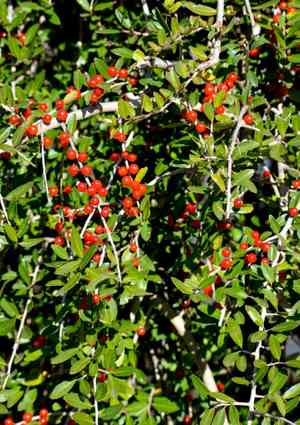
The most favorable period for relocating yaupon is in the flourishing vibrancy of mid to late spring, which guarantees robust development. Choose a bright location featuring soil that drains effectively, and supply generous hydration after the move to foster adaptation.
What Preparations are Needed Before Transplanting Yaupon?
What is the Ideal Time for Transplanting Yaupon?
The perfect time for moving yaupon is during nature's revival in mid to late spring. This period allows yaupon to settle in mild temperatures, encouraging strong root development before the intensity of summer heat. Placing these perennials in their new spot when the soil is warm and fertile ensures a smooth transition, boosting their health and promoting a magnificent display of their vibrant leaves and berries. Embrace this gentle season, and watch yaupon flourish in its new environment!
How Much Space Should You Leave Between Yaupon Plants?
Excellent beginning! When it's time to move your yaupon, keep them separated by about 5-6 feet (1.5-1.8 meters). This will provide ample room for root growth and prevent overcrowding. Don't worry, it might seem like a lot, but yaupon enjoys expanding!
What is the Best Soil Mix for Yaupon Transplanting?
Preparing the ground! Yaupon thrives in slightly acidic, well-drained sandy or loamy soil. A foundational fertilizer of organic compost works wonders to give yaupon a good start. Simply mix in half a shovel of compost every 2-3 feet (0.6-0.9 meters) in your planting row.
Where Should You Relocate Your Yaupon?
Location is crucial, my friend! Make sure to plant your yaupon in full sun or partial shade. They are adaptable! However, more sunlight leads to more vibrant growth. Avoid low-lying areas where water accumulates - yaupon dislikes having its roots too wet!
What Equipments Should You Prepare Before Transplantation Yaupon?
Gardening Gloves
To safeguard your hands while handling the plant and soil.
Shovel or Spade
For excavating and lifting the plant from its initial spot.
Measuring Tape
To ensure the new hole has the correct depth and width for the yaupon's root ball.
Wheelbarrow or Bucket
To move the plant without causing damage.
Watering Can or Hose
To provide immediate hydration after relocation.
How Do You Remove Yaupon from the Soil?
How Do You Remove Yaupon from the Soil?
From Ground: Dampen the soil around the yaupon to facilitate easier extraction. Next, using your spade or shovel, dig a wide circle around the plant, respecting its root spread. Gently work your tool beneath the root ball, lift carefully, and place the plant in your wheelbarrow or bucket for transport.From Pot: Water the yaupon, then carefully invert the pot to ease the plant out. If it resists, gently tapping the pot's sides can help. Handle the plant by its root ball to prevent harm.From Seedling Tray: First, water the seedlings. Then, using a small trowel or even a kitchen spoon, scoop out the seedlings. Handle them very delicately by the leaves, not the stem.
Step-by-Step Guide for Transplanting Yaupon
Site Preparation
Begin by preparing the new spot for your yaupon. The hole should be twice the width of the plant's root ball and equally deep.
Transportation
Carry your yaupon to the new location in your bucket or wheelbarrow, consistently supporting the root ball.
Placement
Position your yaupon in the hole, ensuring it stands upright. Backfill with the soil previously removed, gently firming it around the plant's base.
Watering
After planting, thoroughly water the yaupon. Then, apply mulch around the base of the plant to retain moisture.
How Do You Care For Yaupon After Transplanting?
Monitoring
Keep a close watch on your yaupon, especially during the initial weeks. Relocation can be stressful for plants, so look for signs of wilting or discoloration.
Watering
While avoiding waterlogging, ensure your yaupon receives sufficient moisture, particularly during dry spells.
Pruning
Refrain from heavy pruning immediately after transplanting. Light trimming can help compensate for root loss if necessary.
Protection
Shield your yaupon from harsh weather and pests as it establishes itself.
Troubleshooting Common Issues with Yaupon Transplantation.
When is the best time to transplant yaupon?
The optimal time to transplant yaupon is in late spring to early summer (S2-S3) when it enters its growth phase and recovers quickly from the stress of relocation.
Why does yaupon wilt after transplanting?
Yaupon may wilt after transplanting due to transplant shock. To lessen this, keep the plant adequately watered, but not oversaturated. Excessive water can also harm the plant.
What's the recommended space between yaupon plants when transplanting?
Allow yaupon plants ample room to spread by spacing them 5-6 feet (1.5 to 1.8 meters) apart. This will ensure optimal growth for each specimen.
How deep should I dig when transplanting yaupon?
Start by digging a hole that is twice as wide and as deep as its root ball. This will provide your yaupon plant enough space for its roots to expand.
Why does yaupon show yellow leaves after transplanting?
Yellow leaves after transplanting yaupon might indicate insufficient watering or a nutrient deficiency. Review your watering schedule and add organic compost, if needed.
Should I prune yaupon before transplanting?
Yes, perform a light pruning on yaupon prior to transplanting to decrease the plant's overall energy demands and improve the chances of successful relocation.
How much water does a transplanted yaupon need?
Yaupon requires a thorough watering immediately after transplanting. Afterward, water moderately but consistently, maintaining moist but not waterlogged soil.
What type of soil suits yaupon most for transplanting?
Yaupon prefers well-draining sandy or loamy soil. It can tolerate clay, but amending the soil with organic matter can enhance the plant's growth.
Why are the leaves of my yaupon drying out after transplanting?
Drying leaves can signal underwatering or excessive sun exposure. Place yaupon in an area with bright but indirect sunlight and ensure it receives sufficient but not excessive water.
Is adding fertilizer necessary when transplanting yaupon?
While yaupon isn't particular about nutrients, you could incorporate some slow-release granular fertilizer at planting time. It aids in the yaupon's quicker adjustment to its new environment.



