How to Transplant Inkberry?
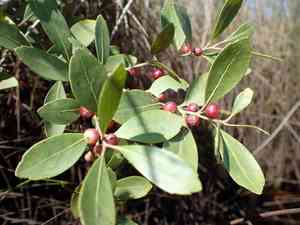
The optimal time for relocating inkberry is during the mild warmth of its later growth phase, generally from late spring to mid-summer. This timeframe allows inkberry to establish itself effectively, benefiting from consistent temperatures. Select a site that offers partial to full sunlight and damp, acidic earth. When moving the plant, preserving the soil's structure significantly aids inkberry's adjustment.
Necessary Preparations Before Relocating Inkberry?
When is the Best Time to Move Inkberry?
The prime period for transplanting inkberry falls between late spring and mid-summer's calmer weather. This timeframe provides moderate temperatures, fostering establishment without the harshness of peak summer heat. By transplanting during this window, inkberry gains ample time to firmly root, adapting to its new spot while avoiding extreme weather challenges, thereby enhancing its overall development and vitality. Embrace this season for a successful relocation, and observe inkberry flourish in its new environment.
What is the Recommended Spacing Between Inkberry Plants?
For optimal outcomes when moving inkberry, ensure each plant is positioned approximately 5-6 feet (1.5-1.8 meters) apart. This provides sufficient room for growth, maintaining a healthy and well-maintained appearance in your garden.
Which Soil Mixture is Best for Inkberry Transplantation?
Inkberry thrives in moist, acidic, well-draining soil. For peak development, it's advisable to enrich the soil with organic compost. This not only improves drainage but also supplies additional nutrients, encouraging your inkberry to flourish.
Where Should You Replant Your Inkberry?
Site selection is vital! Inkberry prefers partial to full sun, though some shade is acceptable. Ensure the chosen location receives about 4-6 hours of daily sunlight. This maximizes photosynthesis, helping your inkberry thrive.
What Tools Should You Prepare Before Transplanting Inkberry?
Gardening Gloves
To protect your hands from harm.
Shovel or Spade
For digging around the plant's root ball in its current spot and preparing the new location.
Hand Rake
Assists in loosening soil or clearing debris from the transplant area.
Bucket
To temporarily hold inkberry during the relocation process.
Pruning Shears
To trim any damaged or excess roots or foliage.
Garden Hose
Useful for thoroughly watering the ground.
How to Extract Inkberry from the Soil?
How to Extract Inkberry from the Soil?
From Ground: First, thoroughly moisten the soil surrounding the inkberry plant. Using your shovel or spade, carefully dig a wide circle around the plant, ensuring the root ball remains intact. Gradually work your shovel beneath the root ball to gently lift inkberry, taking care to minimize root damage.From pot: Water inkberry in its container until the potting mix is completely saturated. Invert the pot and gently ease the plant out, being careful not to harm the roots. If the plant doesn't slide out, tap the sides and bottom of the pot to loosen the soil and try again.From seedling tray: Moisten the soil. Without harming delicate roots, cup your hand around the base of inkberry's stem and gently lift it from the tray.
Step-by-Step Guide for Relocating Inkberry
Plant Preparation
Trim any damaged or excessive roots using pruning shears, as well as any unhealthy-looking leaves or stems.
Site Preparation
Use a hand rake to clear any leaves, roots, or rocks from the transplant site, then use a shovel to dig a hole twice as wide and equally deep as the inkberry's root ball.
Transplanting
Position inkberry in the hole, ensuring the top of the root ball is level with the ground. Carefully backfill the hole with soil, pressing it down firmly to remove air pockets.
Final touch
Ensure inkberry is planted upright, then thoroughly water the transplanted area.
How to Care for Inkberry After Relocation?
Watering
Keep the soil around inkberry consistently moist, but avoid over-saturation.
Mulching
Apply mulch around the base of inkberry to prevent weed growth and retain soil moisture.
Monitor
Watch for signs of transplant shock, such as wilting leaves or stunted growth.
Prune
Trim back any excessive growth or dead stems to encourage new development. Remember, patience is key in gardening â don't be discouraged if inkberry takes time to adjust to its new home.
Addressing Common Issues with Inkberry Transplantation.
What is the optimal season to transplant inkberry?
The best time to transplant inkberry is from late summer to early autumn (S3-S5). This allows the plant ample time to establish new roots before spring.
What is the ideal spacing between inkberry plants?
Allow inkberry plants a healthy growing space of approximately 5-6 feet (1.52-1.83 meters) apart. This spacing ensures adequate room for growth and proper air circulation.
How deep should the hole be for transplanting inkberry?
Dig a hole that is twice as wide and as deep as your inkberry's root ball. This provides roots with space to spread and efficiently absorb nutrients.
How to prepare inkberry for transplanting?
Thoroughly water your inkberry a day prior to hydrate it and loosen the soil. This helps make the plant's extraction less stressful.
What should I add to the hole before transplanting inkberry?
Incorporate compost or organic matter into the hole. These additions enhance the soil's nutrient content and drainage, providing a healthier environment for inkberry's growth.
How to handle inkberry's roots during transplanting?
Handle inkberry's roots gently during transplanting. Avoid damaging them as they are crucial for water and nutrient absorption, and the plant's overall development.
What to do after transplanting inkberry?
Water the inkberry generously after planting and continue to provide ample water for the initial few weeks. This aids in root establishment and reduces transplant shock.
Should I fertilize inkberry after transplanting?
Refrain from fertilizing inkberry immediately after transplanting. Wait for 4-6 weeks until the plant has sufficiently settled and begun to produce new growth.
My transplanted inkberry is wilting, what should I do?
Temporary wilting is a common sign of transplant shock. Continue with recommended care, such as watering and ensuring proper sunlight. The plant should recover over time.
Can inkberry be transplanted in containers?
Inkberry can be moved to a pot that is 2-3 inches (5-8 cm) larger than the root ball. Ensure the container has good drainage to prevent waterlogging.



