How to Transplant Chinese holly?
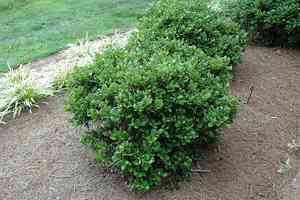
Relocate chinese holly in the pleasant period of late spring for optimal results. The chosen spot requires soil with good drainage and partial sun exposure. Should it be necessary, provide additional attention and assistance during the initial comfortable establishment stage.
What Preparations are Needed Before Transplanting Chinese Holly?
What is the Ideal Time for Transplanting Chinese Holly?
The latter part of spring is the best time to move chinese holly. This period is perfect because it offers the stable weather conditions chinese holly needs to flourish. By selecting this timeframe, you give chinese holly ample opportunity to strengthen before the summer heat. Furthermore, it allows the plant to develop its root systems in a favorable environment. Remember, patience and proper timing are crucial for a successful transplant!
How Much Space Should You Leave Between Chinese Holly Plants?
When relocating your chinese holly, ensure they are spaced approximately 5-7 feet (1.5-2.1 meters) apart. This will provide them with sufficient room to grow and thrive in your garden!
What is the Best Soil Mix for Chinese Holly Transplanting?
For chinese holly, it's best to use soil that drains well and is slightly acidic. Consider incorporating organic compost or a slow-release granular fertilizer to establish a good nutrient foundation for your beautiful plant.
Where Should You Relocate Your Chinese Holly?
Select a location in your garden where your chinese holly will receive either full sun (6+ hours daily) or partial shade (4-6 hours daily). This will guarantee they get the appropriate sunlight conditions for healthier development.
What Equipments Should You Prepare Before Transplantation Chinese Holly?
Gardening Gloves
To safeguard your hands from thorns on the chinese holly and dirt while handling the plant.
Spade or Shovel
Used for digging and lifting the plant from its original spot.
Garden Trowel
Excellent for precise digging when placing the chinese holly in its new location.
Bucket
Useful for transporting the chinese holly from one place to another without causing damage.
Hose or Watering Can
Essential for hydrating the plant during and after the transplanting process.
Mulch
To apply around the base of the chinese holly after transplanting to help retain moisture.
How Do You Remove Chinese Holly from the Soil?
How Do You Remove Chinese Holly from the Soil?
From Ground: Begin by watering the chinese holly plant to moisten the soil, making it easier to extract. Create a wide circle around the plant with your spade or shovel, being careful not to cut into the root system. Gently work your spade under the root ball to loosen it. Once loose, lift it carefully and place it in a bucket for transport to the new site.From Pot: Water the chinese holly adequately to ensure the roots are moist. Tilt the pot sideways and, while holding the plant's base, tap the bottom and sides of the pot to free the root ball. Slide the plant out, avoiding pulling on the stems or leaves.From Seedling Tray: Water the seedlings thoroughly beforehand. Push up from the tray's bottom and, using a fork or your fingers, carefully remove one seedling at a time, handling only by the leaves to prevent stem damage.
Step-by-Step Guide for Transplanting Chinese Holly
Size of Hole
Dig a hole two to three times wider than the chinese holly's root ball and of the same depth. This provides ample space for the roots to spread and grow.
Placement
Position the chinese holly in the center of the hole. Be sure to place the plant so that the top of the root ball is level with, or slightly above, the surrounding soil surface.
Backfilling
Gently refill the hole, compacting the soil around the root ball.
Watering
Thoroughly water the plant to settle the soil and eliminate any air pockets.
Mulching
Apply a thin layer of mulch around the plant's base to help regulate soil temperature and conserve moisture.
How Do You Care For Chinese Holly After Transplanting?
Consistent Watering
Ensure the chinese holly receives sufficient water as it establishes itself in its new location. The top few inches of soil should never be allowed to completely dry out.
Pest and Disease Control
Monitor for signs of pests and diseases so they can be addressed as early as possible.
Pruning
Removing dead or damaged branches will encourage new growth. Avoid extensive pruning immediately after transplanting so the plant can prioritize root development.
Seasonal Care
Depending on the season, provide additional watering during hot months and shield the chinese holly from early frosts.
Troubleshooting Common Issues with Chinese Holly Transplantation.
When is the perfect time for transplanting chinese holly?
Ideally, chinese holly should be moved in the latter part of spring when growth rates are often faster due to warmer weather.
What's the ideal space to leave between each chinese holly while transplanting?
It's advisable to space each chinese holly approximately 5-7 feet (1.5-2.1 meters) apart. This allows for proper air circulation and optimal growth.
What kind of soil conditions do chinese holly prefer during transplantation?
Chinese holly thrives in well-drained, acidic to neutral soil. Ensure the transplanted chinese holly's roots are fully covered with enriched, fertile soil for healthy growth.
Should I water chinese holly immediately after transplanting?
Yes, it's crucial to thoroughly water chinese holly right after transplanting. This helps to settle the soil and initiates root establishment.
What's the best way to prepare the transplantation site for chinese holly?
Dig a hole twice the width of the root ball and to the same depth. This ensures ample room for the roots to spread and grow.
How deep should I place chinese holly into the ground when transplanting?
The chinese holly's root ball should be level with or slightly above the ground surface. Avoid planting too deeply as it can hinder root development.
Why does my newly transplanted chinese holly have yellowing leaves?
Yellowing leaves might indicate overwatering or poor drainage. Ensure chinese holly is watered appropriately and the soil effectively drains excess water.
How can I help my chinese holly survive after transplanting?
Ensure consistent care with adequate watering, suitable fertilizing every spring, and adding a layer of mulch to preserve soil moisture around the chinese holly.
What should I do if my chinese holly's leaf edges are turning brown post-transplant?
Brown leaf edges likely indicate a water issue. Check the soil's moisture levels, your watering schedule, and ensure proper drainage in the transplantation area.
Is it necessary to stake chinese holly after transplanting?
Staking is not typically required unless the chinese holly is top-heavy or in a particularly windy location. If needed, stake carefully to avoid damaging the root system.



