How to Transplant Peach-leaf holly?
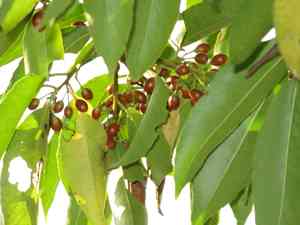
Springtime provides the most favorable period for peach-leaf holly to relocate, allowing its root system to settle before the summer heat. Ideal sites feature well-draining, rich earth with dappled sunlight. During the relocation process, guarantee minimal disruption to the roots to preserve plant strength.
What Preparations are Needed Before Transplanting Peach-leaf Holly?
What is the Ideal Time for Transplanting Peach-leaf Holly?
The optimal period for relocating peach-leaf holly is the vibrant spring season. During this time, mild temperatures and increased humidity combine to create an ideal setting for root development, avoiding the harsh summer heat or winter cold that could hinder growth. Moving peach-leaf holly in spring also aligns with its natural growth cycle, promoting robust development and improved health. It allows the perennial to gradually adapt to its new spot, benefiting from the season's gentle conditions. Performing this timely gardening task ensures peach-leaf holly flourishes, providing lush foliage and establishing a strong base for future growth. Approach transplantation with care, and be rewarded with vibrant greenery throughout the year.
How Much Space Should You Leave Between Peach-leaf Holly Plants?
To ensure peach-leaf holly thrives, provide ample room. Ideally, position your plants approximately 6-8 feet (1.8-2.4 meters) apart. This allows them sufficient space to expand, preventing competition for resources with neighboring plants.
What is the Best Soil Mix for Peach-leaf Holly Transplanting?
Before planting peach-leaf holly, prepare its new site. It flourishes in soil that is well-drained, moist, and acidic. Incorporate a foundational fertilizer rich in organic matter to nourish it. Remember to blend the fertilizer uniformly into the soil for optimal outcomes.
Where Should You Relocate Your Peach-leaf Holly?
Peach-leaf holly prefers a location with partial to full sunlight, tolerating both quite effectively. Choose a spot in your garden that receives at least 4-6 hours of daily sunlight for healthy development.
What Equipments Should You Prepare Before Transplantation Peach-leaf Holly?
Shovel or Spade
To excavate a hole in the ground for the peach-leaf holly and to extract the plant from its original position.
Garden Fork
To loosen and blend the soil where you intend to replant the peach-leaf holly.
Gardening Gloves
To safeguard your hands while handling the plant and soil.
Measuring Tape
To ensure appropriate spacing between plants and from the border if you are planting multiple peach-leaf holly.
Watering Can
To hydrate the peach-leaf holly before and after the relocation process.
Stakes and Gardening Twine
To support the peach-leaf holly and shield it from strong winds or heavy rain after the move.
How Do You Remove Peach-leaf Holly from the Soil?
How Do You Remove Peach-leaf Holly from the Soil?
From Ground: Before the transplant, water the peach-leaf holly to moisten the soil, which will facilitate the removal process. Using a spade or shovel, carefully dig around the plant, ensuring the excavated area is wide enough to encompass the plant's root system. Gently work the spade beneath the root ball, slowly lifting the plant from its initial location. Aim to keep as much of the root system intact for successful replanting.From Pot: Water the potted peach-leaf holly prior to transplanting to help loosen the soil. Turn the pot on its side, gently squeeze or tap around the pot to help the rootball slide out easily. Be sure to handle the plant with care, focusing on the root ball and not the stem or leaves.From Seedling Tray: Water the peach-leaf holly seedlings to loosen the soil. Carefully lift the seedling from the tray by pushing up from the bottom. Always handle the seedling by its leaves, and not by the stem, which is very delicate at this stage.
Step-by-Step Guide for Transplanting Peach-leaf Holly
Digging
Use a shovel to excavate a hole at your chosen site. The hole should be twice the width of the peach-leaf holly's root ball and deep enough so that the root ball will be level with or slightly below the surface when planted.
Placement
Gently position the peach-leaf holly in the hole, ensuring it stands upright. Backfill the hole with the same soil you removed during excavation. Do not compact the soil too tightly around the plant; it should be firm but not dense.
Watering
Thoroughly water the plant after transplanting. The water will help settle the soil around the roots and minimize transplant shock.
Staking
If the peach-leaf holly is large or if you reside in an area with strong winds, you may need to support the plant using stakes and garden twine until it establishes itself.
How Do You Care For Peach-leaf Holly After Transplanting?
Monitoring
Observe the peach-leaf holly for any indications of stress or illness. Often, diseases and pests may exploit a plant's weakened state following transplantation.
Watering
Ensure to water the peach-leaf holly regularly without over-saturating it. The soil should remain damp but not waterlogged. The frequency of watering will also depend on environmental conditions and the season.
Pruning
Any dead or dying leaves should be removed from the peach-leaf holly to allow it to prioritize new growth, but avoid extensive pruning immediately after transplanting to reduce stress on the plant.
Feeding
Wait for at least a few weeks before providing the peach-leaf holly with plant food or fertilizer to prevent root burn and to allow the plant to acclimate to its new location first.
Troubleshooting Common Issues with Peach-leaf Holly Transplantation.
When is a good time to transplant peach-leaf holly?
The optimal time to transplant peach-leaf holly is from late winter to early spring (S1-S3). It's best to transplant when the plant is dormant.
How far apart should peach-leaf holly be spaced?
When relocating peach-leaf holly, maintain a distance of approximately 6-8 feet (1.8-2.4 meters). This ensures they have ample room to grow and thrive.
What steps should I follow when transplanting peach-leaf holly?
First, prepare a hole twice the size of the root ball. Place peach-leaf holly in the hole and backfill with soil. Water thoroughly after transplanting.
How do I manage the watering of peach-leaf holly post-transplant?
Provide peach-leaf holly with ample water after transplanting. Gradually reduce watering as the plant becomes established. Pay attention to rainfall to prevent overwatering.
How deep should the hole be when transplanting peach-leaf holly?
The hole should be twice the width and the same depth as the root ball of peach-leaf holly. This provides sufficient space for roots to spread.
Should I use any specific soil when transplanting peach-leaf holly?
Peach-leaf holly prefers soil with a slightly acidic to neutral pH, that is well-drained and rich in organic matter. Amend your soil accordingly if it does not meet these criteria.
Is there any special care required after transplanting peach-leaf holly?
After relocating peach-leaf holly, maintain consistent watering and monitor for pests or diseases. Adding mulch helps retain moisture and regulate soil temperature.
Can peach-leaf holly handle transplant shock well?
Peach-leaf holly might exhibit signs of transplant shock such as wilting or yellowing. Regular watering and providing shade can aid the plant's recovery.
Do I need to prune peach-leaf holly when transplanting?
Pruning is not essential when transplanting, but it can help peach-leaf holly focus on root growth. Remove dead or damaged branches for improved development.
How long does peach-leaf holly take to establish after transplanting?
Peach-leaf holly may take several weeks to months to establish after transplanting. Consistent care and attention are required during this period.



