How to Transplant Common St. John's wort?
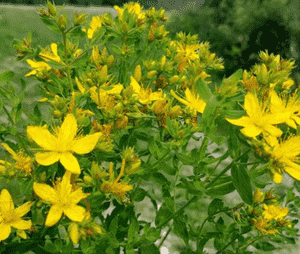
The ideal period for transplanting common St. John's wort spans from the gentle warmth of late spring into early summer, facilitating robust root development prior to colder weather. Choose a bright location featuring adequately draining soil for common St. John's wort, maintaining consistent soil moisture after the move to encourage peak growth.
What Preparations are Needed Before Transplanting Common St. John's Wort?
What is the Ideal Time for Transplanting Common St. John's Wort?
The best time to move common St. John's wort to a new spot is during the mild conditions of late spring or the onset of early summer. Relocating common St. John's wort at this point allows the moderate temperatures and consistent daylight to aid the plant's adjustment, ensuring stronger root development before the peak of summer. This strategic timing leverages the start of the growing season, giving common St. John's wort the optimal chance to flourish and display its vibrant beauty in your garden.
How Much Space Should You Leave Between Common St. John's Wort Plants?
Excellent choice to cultivate common St. John's wort! When preparing to transplant, aim for a spacing of 1-2 feet (30-60 cm) between each plant. This will guarantee ample room for them to grow and thrive, creating a stunning display in your garden!
What is the Best Soil Mix for Common St. John's Wort Transplanting?
The soil for common St. John's wort should drain well and be slightly acidic to neutral. An initial fertilizer with organic matter would be ideal. If possible, prepare the soil a week beforehand to create a welcoming environment for your plant.
Where Should You Relocate Your Common St. John's Wort?
For a thriving and healthy common St. John's wort, select a prime location in your garden that receives full sun to partial shade. This balance of sunlight will certainly help your plant prosper. However, avoid direct, intense sun during the hottest part of the day!
What Equipments Should You Prepare Before Transplantation Common St. John's Wort?
Gardening Gloves
To safeguard your hands while handling soil and common St. John's wort.
Shovel or Spade
Required to carefully excavate the common St. John's wort from its original spot, ensuring the root ball remains undamaged.
Trowel
For digging a hole at the new planting site that is sufficiently wide and deep to comfortably accommodate the common St. John's wort's root ball.
Garden Hose or Watering Can
To moisten the soil before removing the common St. John's wort and to settle the soil at the new location after transplanting.
Pruning Shears
To remove any dead or damaged parts of the common St. John's wort prior to transplanting. Remember to sanitize the shears before use to prevent disease transmission.
Wheelbarrow or Garden Cart
This is especially useful if the plant is large or the new site is distant from the original. It assists in moving the uprooted plant without causing harm.
How Do You Remove Common St. John's Wort from the Soil?
How Do You Remove Common St. John's Wort from the Soil?
From Ground: First, thoroughly water the common St. John's wort plant to moisten the soil. This will facilitate easier and less stressful extraction for the plant. Next, dig a circular trench around the plant using a shovel or spade, ensuring the plant's root ball stays intact. Be careful to dig wide and deep enough to avoid cutting into the roots. Once a trench is formed, work the spade beneath the root ball to lift the plant from its initial position.From Pot: If the common St. John's wort is currently in a container, water it well and ensure the soil is completely damp. Tilt the pot sideways and gently ease the plant out, being careful not to pull on the stems or leaves. If the plant seems stuck, it might be root-bound. In this situation, tap the sides of the pot to loosen the soil and roots.From Seedling Tray: Once the common St. John's wort seedlings have developed robust roots and a few sets of true leaves, they are ready for transplanting. Use a small trowel or even a spoon to carefully remove the seedling, including its root ball, from the tray.
Step-by-Step Guide for Transplanting Common St. John's Wort
Preparation
After you've chosen the new spot for the common St. John's wort, prepare the area by clearing any grass, weeds, or debris. Dig a hole twice as wide and as deep as the common St. John's wort's root ball.
Transfer
Gently place the common St. John's wort into the hole, ensuring it's no deeper than it was in its original location. Fill the space around the root ball with soil, firming it as you go to prevent air pockets. Avoid mounding soil on top of the root ball or against the plant's stem.
Watering
After transplanting, thoroughly water the common St. John's wort. This helps settle the soil around the root ball and aids the plant in recovering from transplant shock.
Mulching
Applying a layer of mulch around the common St. John's wort, but not touching its stem, helps retain moisture and suppress weed growth.
How Do You Care For Common St. John's Wort After Transplanting?
Watering_monitoring
After transplanting, consistently monitor the common St. John's wort and ensure the soil remains moist but not waterlogged. Water deeply to encourage the plant to develop a strong, extensive root system.
Careful_pruning
Lightly prune the common St. John's wort after transplant to reduce stress on the roots, removing any damaged or weak-looking branches.
Protection
Shield the newly transplanted common St. John's wort from strong winds and intense sunlight for a few days. A temporary shading screen can be used for protection.
Monitoring_growth
Observe the plant's growth. If the common St. John's wort shows signs of distress such as wilting or discolored foliage, ensure it's receiving adequate water and is protected from extreme conditions.
Troubleshooting Common Issues with Common St. John's Wort Transplantation.
What is the optimal time to transplant common St. John's wort?
The ideal period to relocate common St. John's wort is from late summer to early autumn (Season 3-4). This timeframe supports robust root development.
How much spacing should I leave between common St. John's wort plants during transplantation?
Maintain a healthy distance of 1-2 feet (30-60 centimeters) between common St. John's wort plants. This ensures ample room for growth and minimizes competition for resources.
What's the suitable soil condition for transplanting common St. John's wort?
Common St. John's wort prefers well-drained soil. A slightly acidic to neutral pH (6-7) is optimal. Ensure the soil is fertile and rich in organic matter for healthy growth.
How deep should I plant the common St. John's wort during transplantation?
Plant the common St. John's wort so that the top of the root ball is level with the soil surface. This is typically about 5-6 inches (12-15cm) deep.
How to prepare common St. John's wort for transplanting process?
Before transplanting, water common St. John's wort thoroughly. This helps the plant slide out of its pot easily and also reduces transplant shock.
How often should I water common St. John's wort post-transplanting?
Water common St. John's wort thoroughly after transplanting and keep the soil moist for the initial few weeks. Avoid waterlogging, as it can lead to root rot.
What type of sunlight does common St. John's wort require post-transplant?
Common St. John's wort thrives in full sun to partial shade. Late-summer sun promotes healthy growth. However, avoid intense midday sun immediately after transplanting.
When will I see new growth in common St. John's wort after transplanting?
New growth on common St. John's wort typically appears within 2-4 weeks after transplanting. Ensure proper care during this period.
Do I need to prune common St. John's wort before transplanting?
Pruning common St. John's wort is not essential before transplanting, but removing old, damaged, or diseased leaves can encourage a healthier plant.
What should I do if the leaves of common St. John's wort turn yellow post-transplant?
Yellow leaves could indicate water stress or a lack of nutrients. Ensure your common St. John's wort is receiving sufficient water and nutrients, or check for root diseases.



