How to Transplant Creeping St. John's wort?
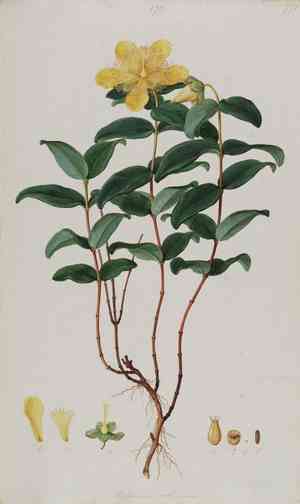
For creeping St. John's wort, the season of rejuvenation and emergence, frequently signaled by spring's mild arrival, is optimal for relocation. This is attributed to the temperate conditions and abundant precipitation that facilitate root development. Preferred transplant sites feature good drainage and receive partial to full sun exposure. A helpful suggestion: carefully acclimating creeping St. John's wort to its new environment will foster a smooth adaptation.
What Preparations are Needed Before Transplanting Creeping St. John's Wort?
What is the Ideal Time for Transplanting Creeping St. John's Wort?
The best time to move creeping St. John's wort is during the prime gardening season, spring. This period encourages robust development due to warmer ground and increased daylight. Relocating at this time allows your creeping St. John's wort ample opportunity to establish its root system before the intense summer heat, leading to a more resilient and thriving plant. The consistent spring rains also aid the roots of creeping St. John's wort in settling comfortably, lessening transplant stress and the need for frequent irrigation. Embrace spring for its nurturing environment, and observe your creeping St. John's wort flourish!
How Much Space Should You Leave Between Creeping St. John's Wort Plants?
When planting creeping St. John's wort, maintain a separation of 2-3 feet (60-90 cm) between each specimen. This provides the necessary room for it to spread and thrive. Remember, this will create that dense, carpet-like groundcover. Enjoy your planting!
What is the Best Soil Mix for Creeping St. John's Wort Transplanting?
For creeping St. John's wort, well-draining soil, whether sandy loam or clay, is recommended. Enhance your soil with composted manure or a slow-release granular fertilizer during preparation. This ensures your plant receives the essential nutrients it requires!
Where Should You Relocate Your Creeping St. John's Wort?
Creeping St. John's wort enjoys both full sun and partial shade. A south or west-facing spot in the garden, receiving at least 6 hours of direct sunlight daily, would be an excellent location for your new additions. Remember, ample sunshine promotes vibrant blooms!
What Equipments Should You Prepare Before Transplantation Creeping St. John's Wort?
Gardening Gloves
Especially important for new gardeners to prevent cuts and dirt from getting under fingernails while digging.
Shovel or Spade
A garden shovel or spade is necessary to excavate the existing plant from its original spot and prepare the new planting area.
Gardening Trowel
To facilitate a more precise excavation for smaller, more delicate root systems.
Gardening Fork
Primarily used when moving from a pot, for loosening the soil surrounding the plant.
Wheelbarrow
To move the plant and soil mixture from one location to another without straining your back.
Watering Can
For hydrating the plant both before and after transplanting to help alleviate shock.
Pruning Shears
To trim the creeping St. John's wort and remove dead or diseased branches, leaves, or roots prior to transplanting.
How Do You Remove Creeping St. John's Wort from the Soil?
How Do You Remove Creeping St. John's Wort from the Soil?
From Ground: Start by watering the creeping St. John's wort plant to moisten the soil. This makes removal easier and reduces the risk of root damage. Then, using a shovel or spade, dig a wide trench around the plant, ensuring the plant's root ball stays intact. Continue to dig around and underneath until you can carefully lift the plant from the ground.From Pot: First, water your potted creeping St. John's wort thoroughly. Using a gardening fork, gently loosen the soil around the pot's edges. You can then carefully invert the pot and ease out the plant, making sure to support the root ball.From Seedling Tray: Lightly water the tray. Gently push up from the bottom of the seedling cell or use a tool like a spoon to scoop out the seedling, making sure to lift it by the leaves, not the stem or roots.
Step-by-Step Guide for Transplanting Creeping St. John's Wort
Preparing the plant
Starting with the creeping St. John's wort you've extracted from its initial location, use pruning shears to remove any dead, diseased, or excessively long branches or roots. This will help lessen the plant's stress during transplantation.
Preparing the new site
Using your shovel or spade, excavate a hole in the ground that is twice as wide and equally as deep as the plant's root ball.
Planting
Position your plant in the hole, ensuring that the top of the root ball is level with the surrounding ground. Backfill the hole with the soil you've set aside, pressing down gently to eliminate air pockets.
Watering
Water the plant generously immediately after transplanting. Frequently check the soil's moisture level, and water the plant as needed to keep the soil consistently damp.
How Do You Care For Creeping St. John's Wort After Transplanting?
Watering
Water your creeping St. John's wort thoroughly right after transplanting. Check the soil often for the next few weeks, as it should remain consistently moist, but not waterlogged.
Pruning
Trim any dead or yellow leaves you observe on your creeping St. John's wort after transplanting. This will help the plant direct its energy towards new growth.
Monitor
Keep an eye out for any indications of stress in your transplanted creeping St. John's wort, such as wilting or browning foliage. If you notice these symptoms, it may suggest that your plant is experiencing transplant shock, and you might need to adjust its care level.
Troubleshooting Common Issues with Creeping St. John's Wort Transplantation.
What's the best season for transplanting creeping St. John's wort?
The optimal period for relocating creeping St. John's wort is during the S1-S3 seasons. This offers them the best opportunity to establish roots.
How much space should I leave between each creeping St. John's wort while transplanting?
A spacing of approximately 2-3 feet (60-90 centimeters) is ideal. This ensures that each plant has sufficient room to develop fully.
What should I do if the transplanted creeping St. John's wort wilts or turns yellow?
Your creeping St. John's wort might be experiencing transplant shock. Increase its water intake, but prevent the plant from sitting in water. If no improvement is observed, consult a gardening expert.
Why is proper spacing crucial when transplanting creeping St. John's wort?
Adequate spacing allows each creeping St. John's wort to receive enough sunlight and nutrients. Overcrowding can lead to slower growth or disease spread. Therefore, maintain a distance of 2-3 feet (60-90 cms) between each plant.
Can I transplant creeping St. John's wort in any type of soil?
Creeping St. John's wort prefers well-drained, fertile soil that is either neutral or slightly acidic. If your soil is heavy clay or sandy, consider enriching it with organic matter.
How should I prepare the transplant site for creeping St. John's wort?
Before transplanting, dig a hole that is twice as wide and as deep as the root ball of your creeping St. John's wort. Incorporate compost or other organic material to enhance soil fertility.
Can creeping St. John's wort be transplanted under direct sunlight?
Creeping St. John's wort can tolerate full sun, but they also thrive in partial shade. Choose a location based on your local climate; more sun is required in cooler regions, while some shade can be beneficial in hot areas.
What is the watering schedule for newly transplanted creeping St. John's wort?
Newly transplanted creeping St. John's wort should be watered thoroughly, then keep the soil moist but not waterlogged. Adjust your watering based on weather conditions, more frequently in hot, dry weather and less during rainy periods.
What are the steps to transplant creeping St. John's wort successfully?
Firstly, prepare the transplanting site. Dig a hole twice the size of the root ball. Place the creeping St. John's wort and backfill the hole with soil and compost mixture. Finally, water the plant well.
How can I ensure the survival of creeping St. John's wort after transplanting?
Ensure a successful transplant by maintaining proper watering, providing ideal light conditions, monitoring for pests or diseases, and handling prematurely fading flowers responsibly.



