How to Transplant Bottle palm?
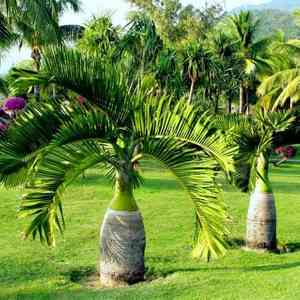
The ideal period for relocating bottle palm is during the cooler, more forgiving winter months, which aids in root development without the burden of high temperatures. To ensure success, choose a bright, adequately draining spot. Should it be necessary, slowly introduce bottle palm to its new environment to avert transplant trauma.
What Preparations are Needed Before Transplanting Bottle Palm?
What is the Ideal Time for Transplanting Bottle Palm?
The optimal period for relocating bottle palm is during the cooler embrace of winter months. This allows the root system to establish without the stress of extreme heat. Embracing this chillier season offers bottle palm a gentle transition to its new environment, reducing transplant shock, and ensuring a strong start for next spring's growth. By choosing this tranquil time, you're allowing bottle palm to settle in peacefully, preparing it for a robust future.
How Much Space Should You Leave Between Bottle Palm Plants?
First off, ensure to provide ample space when transplanting your bottle palm. Position them approximately 8-10 feet (2.4-3 meters) apart to permit adequate growth. This is crucial to give your plants sufficient room to flourish.
What is the Best Soil Mix for Bottle Palm Transplanting?
For bottle palm, a well-drained soil mixture is ideal. You can create this by combining equal parts of standard potting soil, peat, and perlite. Incorporate a slow-release granular fertilizer into the soil before planting. This will supply the essential nutrients needed for growth.
Where Should You Relocate Your Bottle Palm?
Carefully select a location for your bottle palm. They will thrive in a spot where they can receive full or partial sunlight daily. This means exposing your plant to a minimum of 4 hours of sunlight every day is recommended.
What Equipments Should You Prepare Before Transplantation Bottle Palm?
Gardening Gloves
To safeguard your hands while handling the plant and soil.
Shovel
Useful for excavating a hole in the ground for the bottle palm.
Spade
Helpful when extracting the plant from its original position.
Garden Trowel
This tool can assist in preparing the transplanting area, ensuring it is free of weeds and large soil clumps.
Watering Can
To aid in keeping the soil adequately hydrated throughout transplantation.
Rake
To help you level the soil and eliminate any unevenness.
Gardening Pruner or Secateurs
You might need this if you have to trim and adjust the plant's size during transplanting.
How Do You Remove Bottle Palm from the Soil?
How Do You Remove Bottle Palm from the Soil?
From Ground: Begin by watering the bottle palm to soften the surrounding soil. After that, start digging a trench on all sides of the plant with a shovel, going deep enough to encompass the majority of the roots. Carefully work your spade beneath the root ball and gently uplift the plant, maintaining an intact root ball.From Pot: Water the potted bottle palm prior to the procedure. Then, lay the pot on its side and gently yet firmly ease out the plant, making sure you avoid tugging on the stem or foliage. The goal is to keep the root ball and soil together.From Seedling Tray: Water your tray to help the bottle palm come out more smoothly. Using a gardening trowel, gently lift the seedling from the bottom to aid in the removal process. Always hold the seedling by its leaves to prevent damaging the stem.
Step-by-Step Guide for Transplanting Bottle Palm
Preparation
Prepare the new location for your bottle palm. The hole should be twice as wide and equally deep as the root ball of your plant. All relevant preparations like soil amendments (if any), have been covered in the previous sections.
Placement
Gently lower the bottle palm into the hole, making sure it's centered and the top of the plant's soil level is even with the ground.
Backfilling
Refill the hole with the original soil or a suitable soil mix, ensuring that there are no air pockets. Firmly yet gently press the soil around the base of the bottle palm.
Watering
Water the bottle palm thoroughly to settle the soil around the roots. The exact quantity of water might vary depending on the size of your plant and its type.
Adjustments
If necessary, make any adjustments such as pruning over-extended branches using secateurs to balance the plant’s structure.
How Do You Care For Bottle Palm After Transplanting?
Watering
For the first few weeks after planting, regularly water your bottle palm to maintain moist soil but avoid waterlogging. The frequency might vary depending on your climate.
Protection
If you live in an area with strong winds or wildlife, consider adding some protective barriers around your bottle palm to support its stability and growth.
Monitoring
Pay attention to the health of your bottle palm. Monitor its leaves for any color changes or wilting. If there's any unusual signs, understand its cause and amend your care routine accordingly.
Troubleshooting Common Issues with Bottle Palm Transplantation.
What is the preferred season for transplanting bottle palm?
The ideal time to rehome bottle palm is between the tenth and twelfth month of the year.
What is the ideal gap between bottle palm plants when transplanting?
Ensure bottle palm plants are ideally spaced at about 8 to 10 feet (2.4 to 3 meters) apart.
How deep should the hole be when transplanting bottle palm?
The hole should be twice as wide, and a little deeper than the root ball of bottle palm.
How to prepare the soil for transplanting bottle palm?
Mix native soil with compost or peat moss to improve drainage, placing it at the bottom of the hole.
What should be done after placing bottle palm in the hole for transplanting?
Backfill the hole halfway, water it, let it drain, then fill the rest of the hole with soil.
What should be the watering schedule for bottle palm after transplanting?
Water bottle palm immediately after transplanting, then once or twice a week during the first month or so.
How can I ensure successful transplant of bottle palm?
Avoid damaging the root ball during transplanting and ensure the plant is positioned upright in the hole.
What to do if bottle palm shows signs of transplant shock?
Keep soil moist, avoid over watering, & protect from severe weather; it will likely recover with time.
Should I prune bottle palm before transplanting?
Pruning isn't necessary for bottle palm, but remove dead or damaged leaves to prevent disease spread.
How does transplanting bottle palm in appropriate season benefit the plant?
Transplanting in the right season helps bottle palm establish roots before the growth period, for a healthier plant.



