How to Transplant Garden stonecrop?
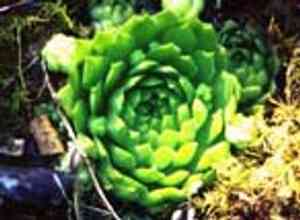
Relocate garden stonecrop optimally from early to late spring or from mid-autumn to early winter to facilitate superior root development. Select a site that receives full sun or partial shade and possesses good drainage. Carefully disentangle the root mass during transplantation, guaranteeing a thriving beginning for your garden stonecrop.
What Preparations are Needed Before Transplanting Garden Stonecrop?
What is the Ideal Time for Transplanting Garden Stonecrop?
The optimal period for moving your garden stonecrop spans from early spring through late spring, or from mid-autumn until the onset of winter. These times offer suitable conditions for the transplant due to mild temperatures, protecting the garden stonecrop from harsh weather-related stress. Successful transplantation during these seasons will stimulate growth and proliferation of your garden stonecrop, leading to a lush, vibrant display in your garden. Remember, a well-executed transplant will result in a flourishing garden stonecrop!
How Much Space Should You Leave Between Garden Stonecrop Plants?
For transplanting garden stonecrop, ensure you space your plants approximately 12-18 inches (30-45 cm) apart. This will provide ample room for development and help guarantee their prosperity.
What is the Best Soil Mix for Garden Stonecrop Transplanting?
To prepare the soil for garden stonecrop, select a well-draining soil mixture with some added organic material. Incorporate a slow-release granular fertilizer to supply your plants with the essential nutrients they require.
Where Should You Relocate Your Garden Stonecrop?
Choose a spot for garden stonecrop that receives full sun to partial shade. Ideally, aim for at least 6 hours of daily sunlight to keep your plants content and thriving.
What Equipments Should You Prepare Before Transplantation Garden Stonecrop?
Gardening Gloves
They offer protection and cleanliness when handling soil and your garden stonecrop plant.
Garden Trowel
This tool assists in digging the hole for your plant in its new location.
Shovel
This will aid in removing the garden stonecrop from its original spot while preserving its roots.
Garden Hose
For irrigating the plant following transplantation.
Mulch
This organic layer on the soil surface can boost ground fertility and retain moisture, benefiting the garden stonecrop's development.
How Do You Remove Garden Stonecrop from the Soil?
How Do You Remove Garden Stonecrop from the Soil?
From Ground: To extract the garden stonecrop plant from the ground, begin by spading around the plant in a wide circle, being careful not to cut into the roots. Gradually work the spade beneath the root ball and lift gently to maintain the root system's integrity.From Pot: If the garden stonecrop plant is in a pot, water it thoroughly beforehand. Tilt the pot sideways and carefully slide out the plant, keeping the root ball intact. Ensure your movement is smooth to prevent any root damage.From Seedling tray: If your garden stonecrop plant is growing in a seedling tray, use a fork or your fingers to separate the soil around the plant. Gently lift the plant from its base, retaining as much original soil as possible to facilitate transplantation.
Step-by-Step Guide for Transplanting Garden Stonecrop
Hole Preparation
Excavate a hole in the new site using the garden trowel. It should be sufficiently deep and wide to comfortably accommodate your garden stonecrop plant's root ball with extra room for growth.
Plant Positioning
Position the garden stonecrop plant in the center of the hole. The top of the root ball should be level with the soil's surface.
Soil Backfilling
Refill the hole with the previously removed soil, ensuring no air pockets remain around the roots. This enhances root-to-soil contact, crucial for the plant's development.
Watering
Water the garden stonecrop immediately after transplanting. This helps the soil settle around the roots and improves nutrient uptake.
Mulching
Apply a layer of mulch around the plant without touching the stem. This aids in retaining soil moisture and regulating soil temperature, promoting healthier garden stonecrop growth.
How Do You Care For Garden Stonecrop After Transplanting?
Monitoring
Closely observe your transplanted garden stonecrop for several weeks. Look for indications of stress or disease such as wilting or yellowing foliage.
Pruning
Remove any dead or damaged leaves and stems. This allows the garden stonecrop plant to allocate its resources to new growth and recovery.
Regular Watering
Although the garden stonecrop plant is drought-tolerant, it requires consistent watering during its establishment phase. Excessive watering can harm the root system, so maintain a proper watering balance.
Troubleshooting Common Issues with Garden Stonecrop Transplantation.
What's the ideal time to transplant garden stonecrop?
It's best to transplant garden stonecrop from the start of spring until late spring, or from mid-autumn until the beginning of winter.
How much space should I keep between garden stonecrop plants when transplanting?
Remember to maintain a distance of approximately 12-18 inches (30-45 cm) between each garden stonecrop plant. This spacing allows them to grow and thrive without competition.
What do I do if my transplanted garden stonecrop wilts or turns yellow?
Garden stonecrop might experience transplant shock. Ensure it's adequately watered, avoid direct sunlight for a few days, and give it time to recover.
How much water does garden stonecrop need after transplanting?
Garden stonecrop typically prefers well-drained soil. After transplanting, water it thoroughly but avoid overwatering to prevent root rot.
What type of soil should I use for transplanting garden stonecrop?
Garden stonecrop prefers a well-draining, fertile, and slightly alkaline soil. Ensure to enrich the transplant hole with good quality compost or well-rotted manure.
Does garden stonecrop need to be fertilized after transplanting?
While garden stonecrop isn't especially picky about fertilizers, adding compost at the time of planting and an annual top-dressing can encourage healthier growth.
What depth should garden stonecrop be planted at?
Garden stonecrop should ideally be transplanted at the same depth it was in the original container. Planting too deep can lead to stem rot.
How should I handle the rootball during transplantation?
Handle garden stonecrop's rootball gently when transplanting. Loosen the roots moderately before planting, but avoid damaging them to reduce transplant shock.
Can garden stonecrop tolerate frost after transplanting?
Garden stonecrop is frost-tolerant but young transplants can be sensitive to extreme cold. Provide a protective cover during frost periods.
Should I prune garden stonecrop after transplanting?
Pruning isn't immediately necessary after transplanting garden stonecrop. However, pinching back growing tips can encourage a denser, bushier growth habit.



