How to Transplant Costa rican pitahaya?
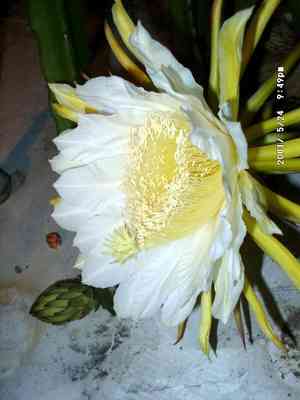
For Costa Rican pitahaya, early autumn presents an ideal period for relocation, minimizing shock and fostering superior root development. Select a spot with ample, diffused illumination and carefully position them. A gentle reminder: exercise caution with their fragile root systems.
What Preparations are Needed Before Transplanting Costa Rican Pitahaya?
What is the Ideal Time for Transplanting Costa Rican Pitahaya?
The optimal period for relocating costa rican pitahaya is from late summer into early autumn. This timeframe allows roots to establish prior to colder weather. Moving costa rican pitahaya during this calm transition enables it to develop a strong root system in the gentle warmth, benefiting from mild temperatures and reduced pest activity. You'll find that transplanting your costa rican pitahaya in this peaceful season sets the stage for vigorous growth in the upcoming spring, making it a smart gardening decision.
How Much Space Should You Leave Between Costa Rican Pitahaya Plants?
To provide your costa rican pitahaya ample room to flourish, it's best to position planting sites approximately 10-12 feet (3-3.7 meters) apart. This grants your plants sufficient space for root expansion and fruit production, leading to more robust development.
What is the Best Soil Mix for Costa Rican Pitahaya Transplanting?
Properly prepare your soil for the costa rican pitahaya. Fertile, well-draining soil is optimal. Enhance the bed with compost or a foundational fertilizer rich in phosphorus and potassium. A pH range of 6.1 to 7.5 is perfect for these beautiful plants.
Where Should You Relocate Your Costa Rican Pitahaya?
Your costa rican pitahaya thrives in abundant sunlight, so select a garden spot that receives plenty of sun. However, some afternoon shade would be beneficial. Happy gardening!
What Equipments Should You Prepare Before Transplantation Costa Rican Pitahaya?
Gardening Gloves
To protect your hands from dirt and provide defense against any thorns or sharp edges that costa rican pitahaya might possess.
Shovel/Spade
A tool you'll use extensively for digging in the soil and moving the plant. The shovel/spade should be appropriately sized, capable of digging around and beneath the root ball of costa rican pitahaya.
Garden Fork
Useful for loosening the soil surrounding the costa rican pitahaya at its original spot.
Pruning Shears
Essential for trimming any damaged roots or foliage before transplanting costa rican pitahaya.
Gardening Trowel
Assists in digging the new hole for transplanting costa rican pitahaya with accuracy.
Garden Hose/Watering Can
To moisten the soil both prior to and following the transplantation process.
Wheelbarrow
To transport costa rican pitahaya from its initial location to the new site with minimal stress on the plant.
Organic Compost
To improve the soil at the new planting site, ensuring that the costa rican pitahaya receives adequate nourishment.
How Do You Remove Costa Rican Pitahaya from the Soil?
How Do You Remove Costa Rican Pitahaya from the Soil?
From Ground: For ground-grown costa rican pitahaya, first lightly water the surrounding area to loosen the soil and simplify removal. Then, use your shovel or garden fork to dig a wide circle around the plant, large enough to encompass the entire root system without harm. After sufficiently loosening the ground, carefully lift the plant from underneath, supporting the root ball.From Pot: Before removing costa rican pitahaya from its container, ensure the soil is neither too dry nor excessively wet. Slightly moist soil will keep the root ball intact and make the process smoother. Gently tip the pot sideways and support the plant at its base, sliding it out smoothly. If the plant is root-bound, you might need to tap the pot's sides gently to loosen it.Seedling Tray: If costa rican pitahaya is in a tray, water it adequately, then allow it to drain. Once done, press gently from below the cell containing the plant to lift it.
Step-by-Step Guide for Transplanting Costa Rican Pitahaya
Preparation
Ensure the newly chosen site for transplanting is ready. Dig a hole slightly larger than the root ball size of costa rican pitahaya. The loosened soil will facilitate root establishment.
Placing the Plant
Position costa rican pitahaya in the hole, ensuring it's at the same depth as it was in its original spot. Planting too deep or shallow can harm the plant.
Backfilling
Refill the hole with soil mixed with organic compost to boost nutritional content. Be gentle and ensure you don't damage the roots during this process.
Watering
Immediately after transplanting, water the plant thoroughly. The soil needs to be moist, but be careful not to waterlog it. Overwatering can drown the roots and impede the growth of costa rican pitahaya.
Checkup
For the subsequent couple of weeks, frequently monitor the plant, looking for signs of transplant shock such as wilting, yellowing, or dropped leaves.
How Do You Care For Costa Rican Pitahaya After Transplanting?
Monitoring
Keep a close watch on costa rican pitahaya for any indications of stress or disease. In the initial days post-transplant, the plant may show some wilting, which is normal. However, if this persists, it could signal that the plant is not adapting well. In such a case, consulting a horticulturist is advisable.
Pruning
Avoid the urge to severely prune costa rican pitahaya in an attempt to reduce water loss. Some leaf shedding will naturally occur as the plant prioritizes developing new roots over managing upper vegetative growth.
Fertilizing
After a few weeks, once the plant begins to establish, consider a light application of a balanced, slow-release fertilizer to aid root development. However, remember to avoid using too much, as it may burn the plant.
Weed Control
Keep the area around costa rican pitahaya free from weeds, as they compete with your plant for water and nutrients. Manual weeding should be preferred initially, as chemical controls can harm the newly transplanted plant.
Troubleshooting Common Issues with Costa Rican Pitahaya Transplantation.
What is the best time to transplant costa rican pitahaya?
The optimal time to transplant costa rican pitahaya is between season 6 and 9, allowing the plant to establish itself before colder temperatures arrive.
How much space does costa rican pitahaya need between plants when I'm transplanting?
Costa rican pitahaya requires room to grow, so ensure there is 10-12 feet (approximately 3-3.5 meters) between each plant when transplanting.
Should I moisten the soil before transplanting costa rican pitahaya?
Absolutely, moistening the soil prevents the roots of costa rican pitahaya from drying out during transplanting and promotes better root establishment.
How deeply should I plant costa rican pitahaya?
The costa rican pitahaya should be planted so the top of the root ball is level with the soil surface. Too deep can suffocate the plant, too shallow can dry it out.
What should I do if the roots of costa rican pitahaya are tangled before transplanting?
If roots of costa rican pitahaya are tangled, carefully untangle them. If they're too tight and won't loosen, it may be necessary to make a few vertical cuts to free them.
Does costa rican pitahaya need to be pruned during transplanting?
Pruning is not essential during transplantation. However, you may remove any dead or damaged branches to prevent disease spread.
Do I need to stake costa rican pitahaya after transplanting?
For larger costa rican pitahaya plants, staking may be necessary to support the plant while it establishes its roots and adapts to its new location.
How often should I water costa rican pitahaya after transplanting?
It's important to keep the soil moist, but not waterlogged, for the first few weeks after transplanting costa rican pitahaya. Adjusting to the new environment takes time.
Should I transplant costa rican pitahaya in full sun or partial shade?
Costa rican pitahaya thrives in full sun exposure. However, if the transplant is occurring during a particularly hot part of the season, consider a site with some shade.
Are there any special nutrients or fertilizers recommended for costa rican pitahaya after transplanting?
A slow-release fertilizer specifically formulated for cacti and succulents can help costa rican pitahaya establish quicker post-transplant. Follow the package instructions for application.



