How to Transplant Bigleaf hydrangea?
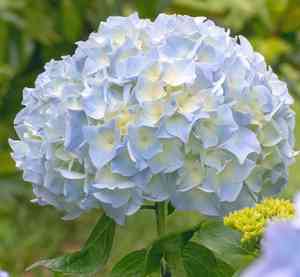
The ideal period for relocating bigleaf hydrangea spans from the end of spring to the middle of summer, since environmental factors encourage robust root development. Select a site offering filtered or partial sunlight and soil that drains effectively for the best outcome. When moving the plant, handle the fragile roots with care to guarantee successful establishment.
What Preparations are Needed Before Transplanting Bigleaf Hydrangea?
What is the Ideal Time for Transplanting Bigleaf Hydrangea?
Moving bigleaf hydrangea is best done during its flowering period, from late spring to mid-summer, to promote robust development. This timing aids in developing strong root systems and ensures excellent blooms the subsequent year.
How Much Space Should You Leave Between Bigleaf Hydrangea Plants?
When relocating bigleaf hydrangea, it's best to provide ample room for their beautiful blossoms to expand. Aim for an optimal spacing of 3-6 feet (0.9-1.8 meters) between plants. This will allow your plants sufficient area to grow and thrive!
What is the Best Soil Mix for Bigleaf Hydrangea Transplanting?
To create a rich base for your bigleaf hydrangea, combine well-draining, slightly acidic soil (pH 5.5-6.5) with nutrient-rich organic compost. Remember to include a dose of slow-release, all-purpose fertilizer to supply vital nutrients for your plant's development.
Where Should You Relocate Your Bigleaf Hydrangea?
To keep your bigleaf hydrangea flourishing and content, select a garden spot that offers partial to full sunlight. They enjoy morning sun but benefit from some afternoon shade to prevent excessive heat. This balance will help them produce stunning flowers.
What Equipments Should You Prepare Before Transplantation Bigleaf Hydrangea?
Gardening Gloves
To safeguard your hands while handling soil and plants.
Shovel or Spade
For excavating the hole and extracting the plant from its initial spot.
Pruner or Sharp Scissors
For trimming roots if necessary.
Gardening Trowel
For digging smaller holes and managing individual plants.
Watering Can or Hose
For hydrating the plant during and after relocation.
Organic Compost or Aged Manure
To enrich the soil for improved plant nutrition.
Mulch
To assist in regulating moisture and temperature around the plant.
How Do You Remove Bigleaf Hydrangea from the Soil?
How Do You Remove Bigleaf Hydrangea from the Soil?
- From Ground:First, water the bigleaf hydrangea plant to moisten the soil. Then, dig a wide trench around the plant using a shovel or spade, ensuring the plant's root ball remains intact. Carefully work the spade under the root ball to lift the plant from its original location.- From Pot:For potted bigleaf hydrangea plants, water the soil in the pot to help the plant slide out more easily. Tip the pot on its side and gently tap it, or carefully press on the sides to loosen the soil. Gently slide the plant out of the pot while supporting the root ball with your other hand.- From Seedling Tray:For bigleaf hydrangea seedlings, use a gardening trowel or your fingers to gently loosen the soil around the seedling. Carefully lift the seedling by its roots, taking care not to damage the stem or leaves.
Step-by-Step Guide for Transplanting Bigleaf Hydrangea
Site Preparation
Select a location with adequate sunlight and room for your bigleaf hydrangea plant to reach its mature size. Clear away any weeds, debris, or rocks from the area.
Soil Amendments
Enhance the soil structure and provide nutrients by mixing in organic compost or aged manure with the existing soil.
Digging the Hole
Excavate a hole that is at least twice as wide as the root ball and as deep as the plant's current height.
Placing the Plant
Gently lower the bigleaf hydrangea plant into the hole, ensuring the root ball is level with the surrounding ground. Spread out the roots in the hole as necessary.
Filling the Hole
Backfill the hole with the soil-compost mix, gently firming it around the plant's roots to eliminate air pockets.
Watering
Water the bigleaf hydrangea plant thoroughly after transplanting, ensuring the soil is moist but not waterlogged.
Mulching
Apply a layer of mulch around the plant, keeping it a few inches away from the stem. This will help retain moisture, regulate temperature, and deter weed growth.
How Do You Care For Bigleaf Hydrangea After Transplanting?
Watering
Keep the soil around the bigleaf hydrangea consistently damp, but not saturated, for the initial weeks post-transplant to aid in root establishment.
Pruning
Remove any dead or damaged growth from the bigleaf hydrangea plant to encourage new development.
Fertilizing
Apply a balanced, slow-release fertilizer around the plant a few weeks after transplanting, following package instructions.
Pest and Disease Control
Regularly inspect your bigleaf hydrangea plant for signs of pests or diseases and use appropriate treatments as needed.
Support
Ensure that the bigleaf hydrangea plant is supported by stakes or a trellis if necessary, to prevent damage from wind or its own weight.
Troubleshooting Common Issues with Bigleaf Hydrangea Transplantation.
When is the best time to transplant bigleaf hydrangea?
The optimal period to relocate bigleaf hydrangea is from late spring to mid-summer, ensuring ideal growth and establishment.
What is the ideal spacing for transplanting bigleaf hydrangea?
Position bigleaf hydrangea plants approximately 3-6 feet (0.9 to 1.8 meters) apart to ensure proper growth and air circulation.
How deep should the planting hole be for bigleaf hydrangea?
Excavate a hole twice as wide and as deep as the root ball, allowing the roots to spread and establish easily.
How should I prepare the soil before transplanting bigleaf hydrangea?
Improve the planting area's soil with well-rotted compost, aged manure, or leaf mold to enhance drainage and fertility.
How much should I water bigleaf hydrangea after transplanting?
Water thoroughly immediately after transplanting, and maintain consistent moisture throughout the plant's establishment period.
Is it crucial to stake bigleaf hydrangea after transplanting?
Staking is not necessary for established bigleaf hydrangea plants but can provide support for young or unstable plants.
What's the recommended level of sun exposure for bigleaf hydrangea?
Bigleaf hydrangea thrives in partial sun/shade, but consider the specific cultivar's needs for the best planting location.
Can I transplant bigleaf hydrangea when it is in full bloom?
Transplanting bigleaf hydrangea when not in bloom is best, as this prevents unnecessary stress and helps conserve energy.
How to reduce transplant shock for bigleaf hydrangea?
Trim some leaves to reduce moisture loss, water properly, and apply a balanced slow-release fertilizer after transplanting.
How long does bigleaf hydrangea take to establish after transplanting?
Allow a few weeks to a couple of months for bigleaf hydrangea to establish properly, depending on local conditions.



