How to Transplant Porcelainflower?
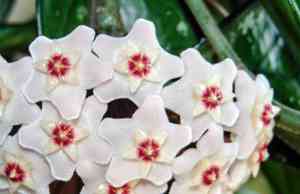
For a flourishing porcelainflower, relocate it between mid-spring and late spring or mid-autumn and late autumn, as these periods provide optimal circumstances for root establishment. Choose a site with good drainage and ample, filtered sunlight. Be sure to gently manage the fragile root system throughout the relocation procedure.
What Preparations are Needed Before Transplanting Porcelainflower?
What is the Ideal Time for Transplanting Porcelainflower?
For porcelainflower, the optimal period for relocation falls between mid-spring and late spring, or mid-fall and late fall. Moving the plant during these times ensures prime growth and establishment, fostering a robust, healthy beginning.
How Much Space Should You Leave Between Porcelainflower Plants?
When relocating your porcelainflower plant, provide ample room for each to expand and flourish. A general guideline is to position them approximately 2-4 feet (60-120 cm) apart. This allows their root systems to develop freely without competition from nearby plants.
What is the Best Soil Mix for Porcelainflower Transplanting?
For superior outcomes, transfer your porcelainflower plant into well-draining soil rich in organic matter. You can create an ideal potting blend by combining equal parts peat moss, perlite, and compost. Afterward, incorporate a slow-release fertilizer to supply essential nutrients for its development.
Where Should You Relocate Your Porcelainflower?
To maintain your porcelainflower plant's vitality, select a spot that receives abundant bright, indirect sunlight. Avoid placing it in direct sun, as this could harm its foliage. Instead, choose a location near a south or west-facing window or beneath the filtered shade of a larger plant.
What Equipments Should You Prepare Before Transplantation Porcelainflower?
Gardening Gloves
To safeguard your hands while handling soil and the plant.
Trowel
To excavate the planting hole and gently extract the plant from its original container or spot.
Shovel or Spade
To aid in digging the planting hole and lifting the root ball if the plant is in the ground.
Pruner
To trim any dead, broken, or damaged roots prior to transplanting.
Garden Fork
To loosen the soil and enhance aeration, encouraging better root development.
Watering Can or Hose
To hydrate the plant following transplantation.
Organic Mulch
To assist in retaining soil moisture and suppressing weeds.
How Do You Remove Porcelainflower from the Soil?
How Do You Remove Porcelainflower from the Soil?
- From Ground:First, irrigate the porcelainflower plant to moisten the soil. Then, excavate a wide trench around the plant using a shovel or spade, ensuring the plant's root ball remains intact. Carefully work the spade beneath the root ball to lift the plant from its initial position.- From Pot:If the porcelainflower plant is in a container, water it thoroughly before removal. Gently lay the pot on its side and, while supporting the plant, slowly slide it out of the pot. If the plant is root-bound, carefully untangle the roots without causing damage.- From Seedling Tray:If the porcelainflower plant is in a seedling tray, water the tray. Gently push the bottom of the cell to dislodge the seedling. Hold the seedling by its leaves or the soil surrounding the roots, avoiding contact with the stem or delicate roots.
Step-by-Step Guide for Transplanting Porcelainflower
Preparation
Select a site with adequate sunlight and room for your porcelainflower plant to reach its mature size. Ensure the soil drains well and contains suitable nutrients.
Loosen Soil
Utilize a garden fork to loosen the soil in the planting area, which will improve air circulation and root growth.
Planting Hole
Dig a hole using a trowel or shovel, making it 2-3 times wider and slightly deeper than the plant's root ball.
Root Preparation
Gently extract the porcelainflower plant from its original spot, trimming any compromised roots. For a pot-bound plant, carefully loosen the roots.
Planting
Position the porcelainflower plant into the hole, ensuring the top of its root ball is slightly below the soil surface. Backfill the hole with soil, pressing it firmly around the root ball.
Watering
Thoroughly water the plant, ensuring the root ball and surrounding soil are damp, using a watering can or hose.
Mulching
Apply a 2-3 inch layer of organic mulch around the base of the porcelainflower plant, keeping it a few inches away from the stem to prevent rot.
How Do You Care For Porcelainflower After Transplanting?
Watering
Keep the soil around the porcelainflower consistently moist, but not waterlogged, for the initial weeks post-transplant, to aid in establishing strong roots.
Mulch Maintenance
Inspect and replenish mulch as needed to maintain a 5 cm to 3 inches layer, promoting soil moisture retention and weed suppression.
Pruning
After transplantation, allow the plant to settle for a few weeks before pruning, aiming to maintain the plant's shape and encourage healthy growth.
Fertilizing
Wait 4-6 weeks after transplanting before applying any fertilizer to avoid damaging the plant's new roots.
Troubleshooting Common Issues with Porcelainflower Transplantation.
What is the ideal time to transplant porcelainflower?
The best time to relocate porcelainflower is mid-spring to late spring, or mid-fall to late fall for optimal development.
How much space should I leave between porcelainflower plants?
Space porcelainflower plants approximately 2-4 feet (60-120 cm) apart to provide them with sufficient room for healthy growth.
What type of soil is best for transplanting porcelainflower?
Porcelainflower thrives in well-draining soil that balances moisture retention and air circulation, such as a mix of potting soil and perlite.
How deep should I plant porcelainflower during transplanting?
Plant porcelainflower at the same depth it was in its previous container, ensuring the root ball is covered with soil.
How much should I water porcelainflower after transplanting?
After transplanting, water porcelainflower thoroughly to help it settle into the new environment, then follow regular watering practices.
Can I prune porcelainflower during transplanting?
Yes, you can lightly prune porcelainflower during transplanting to remove any damaged or dead growth but avoid excessive cutting.
Do I need to fertilize porcelainflower after transplanting?
Wait 4-6 weeks after transplanting porcelainflower before fertilizing, allowing the plant to adapt to its new surroundings first.
How long do I need to wait to see new growth on porcelainflower after transplanting?
Expect to see new growth on porcelainflower within 2-4 weeks after transplanting as the plant establishes itself in the new location.
Can I transplant porcelainflower outdoors if I originally grew it indoors?
Yes, you can transplant porcelainflower outdoors after acclimating it to outdoor conditions gradually, avoiding abrupt transition.
How do I fix wilting or yellowing leaves after transplanting porcelainflower?
Check the moisture level, lighting, and soil quality for possible issues, adjusting them if needed to promote healthy growth.



