How to Transplant Japanese raisin tree?
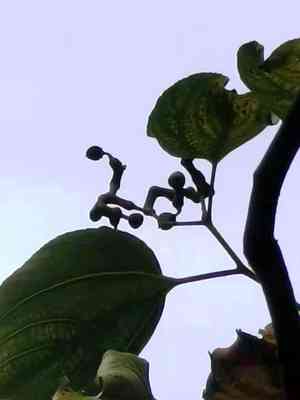
For the Japanese raisin tree, the prime period for relocation extends from the refreshing days of late spring through the vigor of mid-summer, facilitating optimal root development. Choose a location providing abundant light and soil that drains effectively to encourage strong development. Careful management of the root system during this procedure can greatly improve the chances of a successful transplant.
What Preparations are Needed Before Transplanting Japanese Raisin Tree?
What is the Ideal Time for Transplanting Japanese Raisin Tree?
The optimal period for moving japanese raisin tree spans from late spring through mid-summer. This timeframe leverages warm temperatures and extended daylight, fostering robust root development prior to autumn. Shifting japanese raisin tree during this vibrant season aligns with its natural growth cycle, promoting recovery and vitality. Such a timely relocation ensures vigorous growth and enhanced plant resilience.
How Much Space Should You Leave Between Japanese Raisin Tree Plants?
When rehousing your japanese raisin tree, remember they require ample personal space to flourish. Aim for a generous separation, ideally exceeding 60 feet (approximately 18 meters). This provides each japanese raisin tree sufficient room for root and branch expansion!
What is the Best Soil Mix for Japanese Raisin Tree Transplanting?
For your japanese raisin tree, you'll want to provide an excellent start! Seek out well-draining soil. Prior to planting, enrich the earth with a balanced, slow-release fertilizer. Consider it a nutrient-rich boost to help your japanese raisin tree establish and grow.
Where Should You Relocate Your Japanese Raisin Tree?
Your japanese raisin tree loves to soak up the sun! When selecting a spot, ensure it receives full sun exposure. This bright location will keep your japanese raisin tree content, guaranteeing it gets the warm rays needed to thrive year after year.
What Equipments Should You Prepare Before Transplantation Japanese Raisin Tree?
Gardening Gloves
To safeguard your hands while handling soil and plants.
Spade or Shovel
For excavating the plant and preparing the new planting site.
Watering Can or Hose
To hydrate the japanese raisin tree before and after its relocation.
Pruning Shears
For trimming any damaged roots or branches.
Wheelbarrow or Tarp
To transport the japanese raisin tree and maintain a tidy workspace.
Stakes and Ties
To provide support for the japanese raisin tree if needed, post-transplant.
Measuring Tape
To determine the depth and width of the new planting hole.
How Do You Remove Japanese Raisin Tree from the Soil?
How Do You Remove Japanese Raisin Tree from the Soil?
From Ground: First, thoroughly water the japanese raisin tree to loosen the soil and minimize root damage during removal. Using a spade or shovel, create a wide circle around the japanese raisin tree, digging deeper than the root ball, and gently leverage the tool underneath to lift the plant with its roots intact. Be careful to retain a substantial amount of the original soil clinging to the root ball.From Pot: Water the japanese raisin tree adequately before beginning. Invert the pot onto its side and gently tap or squeeze it to dislodge the rootball. If necessary, run a knife along the inner rim of the pot to free the roots. Carefully tip the plant and guide the rootball out, supporting the plant's base with your hand.From Seedling Tray: Water the seedlings to moisten the soil, making it easier to work with. Gently grasp the base of the japanese raisin tree seedling and use a tool like a dibber or even a pencil to carefully lift the seedling from its cell, ensuring to bring along the roots and attached soil.
Step-by-Step Guide for Transplanting Japanese Raisin Tree
Prepare the New Site
Excavate a hole that is twice the width and the same depth as the japanese raisin tree's root ball. Break apart any soil clumps and clear stones or debris from the hole.
Lift the Plant
Carefully extract the japanese raisin tree by its root ball, keeping as much soil attached as possible. If from a container, ensure roots are not circling and trim if needed.
Plant Positioning
Center the japanese raisin tree in the new hole at the same depth it was previously growing. Ensure the japanese raisin tree stands upright and the top of the root ball is level with the surrounding ground.
Refill the Hole
Gently backfill the hole with soil, lightly tamping to eliminate air pockets. Be cautious not to bury the japanese raisin tree deeper than its original planting depth.
Water Thoroughly
Following planting, generously water the japanese raisin tree to settle the soil around the root ball and remove any remaining air pockets.
Mulching
Apply a layer of mulch around the base of the japanese raisin tree to conserve moisture and suppress weeds, avoiding contact between the mulch and the plantâs stem.
Staking
If the japanese raisin tree is tall or in a windy location, insert stakes around its perimeter and gently tie the japanese raisin tree to them for support.
How Do You Care For Japanese Raisin Tree After Transplanting?
Monitoring
Regularly inspect the japanese raisin tree for the initial few weeks to confirm its successful adaptation to the new location. Watch for signs of transplant shock such as leaf wilting or discoloration.
Watering
Maintain consistent soil moisture around the japanese raisin tree, particularly during the first growing season, to encourage root establishment. Avoid excessive watering to prevent root rot.
Pruning
Only prune damaged or broken branches to allow the japanese raisin tree to focus its energy on developing new roots.
Support Adjustment
Periodically check and adjust any stakes or ties, ensuring they are not too tight to cause harm to the growing japanese raisin tree.
First-Year Care
Avoid stressing the japanese raisin tree with additional fertilizers or aggressive pruning during its first year; let it concentrate on root development.
Troubleshooting Common Issues with Japanese Raisin Tree Transplantation.
When is the best time to transplant japanese raisin tree?
Ideally, move japanese raisin tree from late spring to mid-summer for successful establishment.
How far apart should I plant japanese raisin tree?
Maintain a wide spacing of over 60 feet (18 meters) between japanese raisin tree trees for optimal growth.
What's the ideal soil for transplanting japanese raisin tree?
Utilize well-draining soil enriched with organic matter to promote strong root development in the japanese raisin tree.
How much should I water japanese raisin tree after transplanting?
Water the japanese raisin tree thoroughly after transplanting, then regularly to keep the soil consistently moist but not waterlogged.
Can japanese raisin tree tolerate shade after transplanting?
While japanese raisin tree can survive in shaded conditions, it thrives and produces fruit best in full sunlight.
How deep should I dig the hole for japanese raisin tree transplant?
Excavate a hole twice as wide and the same depth as the root ball to accommodate the japanese raisin tree's roots without crowding.
What should I do if japanese raisin tree's leaves wilt after transplanting?
Leaf wilting may indicate stress; ensure adequate watering, proper sun exposure, and check for root damage.
When transplanting japanese raisin tree, how do I handle the roots?
Gently loosen the root ball and spread the roots outwards to encourage expansive growth into the surrounding soil.
Should I fertilize japanese raisin tree right after transplanting?
Wait until japanese raisin tree shows signs of new growth before applying a balanced, slow-release fertilizer to prevent root burn.
What if japanese raisin tree doesn't fruit after transplanting?
Be patient as japanese raisin tree may require time to adjust; ensure proper care and conditions for fruit development in subsequent seasons.



