How to Transplant Yorkshire Fog?
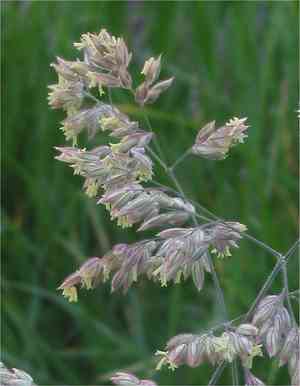
For Yorkshire Fog, the most favorable period for relocation is from late spring to the beginning of summer, which enhances root development. Choose an area that receives dappled sunlight and has damp earth. Should thick clusters emerge, carefully separate them to promote robust growth.
Essential Preparations Before Relocating Yorkshire Fog?
When is the Best Time to Move Yorkshire Fog?
The optimal period for moving yorkshire Fog is from late spring to early summer. This timeframe provides ideal growing conditions, ensuring a smooth adjustment for yorkshire Fog. Transplanting yorkshire Fog during this season leverages mild weather, perfect for root development without extreme cold or heat. Rely on this season for your yorkshire Fog to flourish after relocation, promoting robust root growth and adaptation.
What is the Recommended Spacing Between Yorkshire Fog Plants?
Allow your yorkshire Fog ample room to expand and develop – aim for approximately 1-2 feet (30-60 cm) between each plant. This spacing promotes healthy growth and prevents overcrowding.
Which Soil Mixture is Best for Transplanting Yorkshire Fog?
Your yorkshire Fog prefers soil that drains well. Consider improving your garden soil by incorporating organic material or compost. This enriches the soil, supplying the necessary nutrients for your plant. Starting with a foundational fertilizer is a good recommendation.
Where Should You Replant Your Yorkshire Fog?
When selecting a new spot for your yorkshire Fog, remember it thrives in full sun or partial shade. Avoid areas that receive intense sunlight throughout the entire day. A location that gets morning sun would be perfect.
What Tools Should You Prepare Before Transplanting Yorkshire Fog?
Gardening Gloves
To safeguard your hands while handling soil and plants.
Trowel
For digging holes for the plants.
Shovel or Spade
For excavating the plant from the ground.
Wheelbarrow
To move the plant from one spot to another.
Watering Can
To hydrate the plant after relocation.
Garden Hose
To gently moisten the soil around the plant post-transplant.
Compost
To enrich the soil at the new planting site.
How Do You Extract Yorkshire Fog from the Soil?
How Do You Extract Yorkshire Fog from the Soil?
From Ground: First, water the yorkshire Fog plant to moisten the soil. Next, dig a wide trench around the plant using a shovel or spade, ensuring the plant's root ball remains intact. Carefully work the spade beneath the root ball to lift the plant from its original position.From Pot: Water the plant thoroughly beforehand. Tilt the pot sideways, gently jiggle the plant or tap the pot’s rim on a firm surface to loosen and free the root ball. Grasp the plant at its base to lift it from the pot, avoiding pulling on the stem or leaves.From Seedling Tray: Lightly water the seedlings before starting. Using a trowel or hand tool, carefully lift the seedling, making sure to retain as much of the original soil around the roots as possible.
Step-by-Step Guide for Relocating Yorkshire Fog
Preparation
Clear the chosen area of rocks or debris and dig a hole twice as wide, but no deeper than the root ball of your yorkshire Fog. Incorporate some organic compost into the hole to boost nutrients.
Placing the Plant
Position the yorkshire Fog in the hole, ensuring the top of the root ball is level with the soil surface. Then, backfill the hole, gently firming the soil around the plant.
Watering
Thoroughly water the yorkshire Fog immediately after planting, making sure the soil is moist but not waterlogged.
Mulching
Apply a layer of organic mulch around the plant to retain moisture and suppress weeds.
How Do You Care For Yorkshire Fog After Relocation?
Watering
Water the yorkshire Fog thoroughly but gently, avoiding heavy watering which can compact the soil and impede root growth. In the coming days, maintain a consistent watering schedule.
Pruning
Trim any damaged or dead foliage to encourage healthy new growth. However, avoid extensive pruning immediately after transplanting.
Monitoring
Watch for signs of transplant shock, such as wilting leaves or stunted growth. It’s normal for the yorkshire Fog to take a few weeks to recover from the move and settle into its new environment.
Addressing Common Issues with Yorkshire Fog Relocation.
What time of year is best for moving yorkshire Fog?
The optimal time to move yorkshire Fog is during late summer to early Autumn (S3-S4). This is when the plant establishes roots most effectively.
How much space should there be between yorkshire Fog plants?
When relocating yorkshire Fog, ensure they are placed 1-2 feet (30-60 cm) apart. This provides ample room for healthy growth and prevents overcrowding.
I've noticed browning on my yorkshire Fog after transplanting, what should I do?
Browning could indicate transplant shock. Keep the plant well-hydrated and initially avoid direct sunlight. It should gradually recover.
The leaves of my yorkshire Fog are turning yellow after transplanting. Why?
Yellow leaves might signal overwatering. After transplanting, moisten the soil without saturating it. Reduce watering if the issue persists.
What type of soil works best for relocating yorkshire Fog?
Yorkshire Fog thrives in well-drained soil. Use a blend of garden soil and compost for transplanting. This ensures the correct balance of texture and nutrients.
My relocated yorkshire Fog are wilting. What could be the issue?
Wilting can result from insufficient watering. Water yorkshire Fog deeply after transplanting and frequently thereafter until the plant is well-established.
How deep should the hole be when relocating yorkshire Fog?
The hole should be twice as wide and the same depth as yorkshire Fog's root ball. This ensures it's comfortably accommodated without being too deep.
What care does yorkshire Fog require immediately after relocating?
Water yorkshire Fog thoroughly after transplanting and continue with frequent watering. Also, apply a layer of mulch around the base to conserve moisture.
Should I prune yorkshire Fog before, or after relocating it?
Prune yorkshire Fog back by about a third before transplanting. This reduces water demand and helps the plant establish faster in its new location.
I relocated yorkshire Fog and it isn’t growing. What could be the problem?
Several factors could impact yorkshire Fog's growth post-transplant, including inadequate watering, incorrect spacing, insufficient sunlight, or improper soil composition. Review and address these factors.



