How to Transplant Rubber tree?
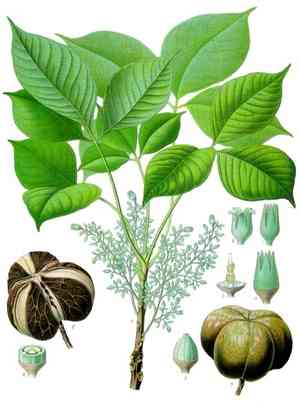
For the rubber tree, peak vigor during warmer periods is ideal for transplanting, promoting strong development. Place it in a bright spot with sufficient room to flourish. Careful handling is crucial for these enduring plants.
What Preparations are Needed Before Transplanting Rubber Tree?
What is the Ideal Time for Transplanting Rubber Tree?
The optimal period for relocating rubber tree is undoubtedly the pleasant summer months. During this time, the warmer soil encourages quicker root development, ensuring a smooth transition for rubber tree. Choosing the sunny season for this task allows rubber tree to greatly benefit from the ample growth period before winter, establishing a strong foundation for future years. Select this favorable time and observe rubber tree flourish, supported by the nurturing touch of summer's gentle warmth.
How Much Space Should You Leave Between Rubber Tree Plants?
For rubber tree, ensure it has sufficient room to expand. Ideally, maintain a distance of 6-10 feet (1.8-3 meters) between each plant. This provides the roots and canopy ample healthy space to spread and develop.
What is the Best Soil Mix for Rubber Tree Transplanting?
Rubber tree prefers well-drained soil, such as loam or clay. Before planting, enrich the soil with an all-purpose, slow-release granular fertilizer. Customize this to the size and requirements of your plant for optimal outcomes!
Where Should You Relocate Your Rubber Tree?
When selecting a new home for your rubber tree, choose a spot where it receives bright, indirect sunlight. It can tolerate a few hours of direct sun daily, but excessive direct exposure can be detrimental, so be discerning!
What Equipments Should You Prepare Before Transplantation Rubber Tree?
Gardening Gloves
These will safeguard your hands when handling the plant and soil.
Ripper or Garden Fork
You'll need this to loosen and extract the rubber tree from its current position.
Shovel
For excavating the new hole where the rubber tree will be replanted.
Stakes and Ties
May be necessary to provide the rubber tree plant with support in its new location.
Hose or Watering Can
You will require this for irrigating the rubber tree after transplanting.
How Do You Remove Rubber Tree from the Soil?
How Do You Remove Rubber Tree from the Soil?
From Ground: Start by thoroughly watering the rubber tree at its original site to ensure the soil is moist and the roots are hydrated. Use the ripper or garden fork to gently loosen the soil around the plant, being careful not to harm the underlying roots. Gradually work the tool beneath the plant's root ball to lift it from the ground.From Pot: If the rubber tree is in a pot, water it deeply a few hours prior. Turn the pot sideways, hold it gently, and tap the rim on a hard surface. The rubber tree should slide out with the soil and roots intact. If it's stuck, run a knife along the inner edge of the pot to loosen it.From Seedling Tray: For rubber tree seedlings in a tray, ensure they are well-watered before transplanting. Gently press beneath the seedlings using a soft tool like a plant tag to lift them out, making sure to include the roots and attached soil.
Step-by-Step Guide for Transplanting Rubber Tree
Preparation
Ensure the new site is ready beforehand. The hole should be twice as wide but equally deep as the rubber tree root ball. Place the excavated soil nearby on a tarp to prevent mess.
Transplanting
Now, transport the rubber tree to its new location. Carefully lower it into the hole, ensuring that the top of the root ball is level with the soil surface. If it's too low, add some soil to the bottom of the hole to raise it.
Backfill
Fill the hole with the soil you removed earlier. Gently compact it to eliminate large air pockets.
Watering
Water the rubber tree thoroughly after transplanting. This will settle the soil around the roots and aid the plant in recovering from transplant shock.
How Do You Care For Rubber Tree After Transplanting?
Stabilization
Depending on the size of your rubber tree, you might need to provide some support using stakes and ties, especially in windy areas.
Careful Pruning
If leaves show signs of wilting, a light trimming can help reduce the stress on the roots.
Monitoring
Inspect your rubber tree regularly for any indications of disease or pest infestation and address them promptly.
Troubleshooting Common Issues with Rubber Tree Transplantation.
When is the best time of the year to transplant rubber tree?
The optimal time to transplant rubber tree is during late spring or early summer, often referred to as S4-S6. This allows the roots sufficient time to establish before winter.
What is the recommended spacing when transplanting rubber tree?
When transplanting rubber tree, position them approximately 6-10 feet (1.8-3 meters) apart. This provides ample room for growth and minimizes competition for resources.
How should I prepare the ground for transplanting rubber tree?
Prior to planting rubber tree, the soil should be well-drained and enriched with organic matter. Removing stones and weeds will facilitate quicker root establishment.
How deep should I plant rubber tree when transplanting?
Plant rubber tree at the same depth it was in its original container. Planting it too deep can lead to rot, while shallow planting may leave roots exposed.
How much should I water rubber tree after transplanting?
Water rubber tree thoroughly after transplanting, ensuring the root zone is adequately saturated. Afterward, keep the soil moist but not waterlogged to prevent root rot.
Can I transplant rubber tree in a pot?
Absolutely! Rubber tree adapts well to container living. Choose a large pot to support its growth. Don't forget to add gravel or stones at the bottom for good drainage.
What to do if my transplanted rubber tree show signs of wilting after a few days?
Wilting could be due to transplant shock. Maintain consistently moist soil, provide appropriate sunlight, and avoid drastic temperature fluctuations to help the plant recover.
How can I prevent disease when transplanting rubber tree?
To deter disease, sanitize your tools before transplanting rubber tree and avoid damaging the root system. Also, refrain from overhead watering as it promotes mold growth.
Why are the leaves of my transplanted rubber tree turning yellow?
Yellow leaves could indicate overwatering or a nutrient deficiency. Review your watering schedule and ensure the plant is receiving balanced nutrients from the soil or a suitable fertilizer.
Can I prune rubber tree after transplanting?
Pruning immediately after transplanting rubber tree is not advised as the plant needs all its leaves to recover and grow. Wait until it is fully established before any trimming.



